Lilies are synonymous with elegance, fragrance, and the vibrant renewal of spring. Whether they are blooming in a meticulously kept garden from late May through August or gracing a dining room table in a celebratory floral arrangement, their aesthetic appeal is undeniable. However, for cat owners, these stunning botanicals represent a hidden and often fatal danger. Lily toxicity is one of the most common and severe emergencies seen in feline medicine. Unlike many other toxic plants that might cause localized irritation or mild digestive upset, certain species of lilies can trigger rapid, irreversible kidney failure in cats. Understanding the gravity of this threat, recognizing the early clinical signs, and knowing exactly when to seek emergency intervention are critical steps for every pet parent. In the world of feline health, when it comes to lilies, time is the most precious commodity you have.
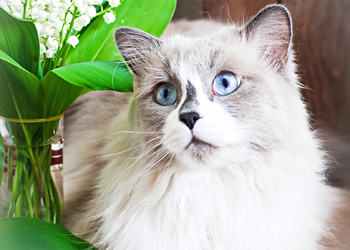
The Biology of a Killer: Which Lilies Are Dangerous?
Not all plants with the name “lily” carry the same level of risk, but for cat owners, the safest policy is to treat all of them with extreme caution. The truly dangerous species belong to the Lilium (True Lily) and Hemerocallis (Daylily) genera. These include some of the most popular varieties found in florist shops and gardens today, such as the Easter Lily, Tiger Lily, Asiatic Lily, Japanese Showy Lily, and the Stargazer Lily. Even hybrids of these species retain their lethal potential.
It is important to distinguish these from “false” lilies like the Peace Lily or Calla Lily. While those plants can cause oral irritation and drooling due to calcium oxalate crystals, they do not cause the catastrophic renal failure associated with true lilies. However, the Lilium species are so potent that they are considered among the most nephrotoxic substances a cat can encounter. For more information on recognizing general health crises, see our guide on 10 critical warning signs your pet needs an urgent vet visit.
What Parts of the Plant Are Toxic?
The short answer is: everything. From the stem and leaves to the vibrant petals and the tiny seeds, every single cell of a true lily contains toxins. One of the most insidious elements is the orange-yellow pollen. As cats brush against the flowers, the pollen clings to their fur and paws. During their natural grooming process, they ingest this pollen, which is enough to initiate organ failure. Even the water in a vase containing lilies becomes a poisonous concoction; a single sip of lily-infused water can be just as deadly as eating a leaf.
The Mechanism of Toxicity: How Lilies Destroy Feline Kidneys
To this day, the specific toxin within lilies remains unidentified by veterinary toxicologists. What we do know is that the toxin is highly water-soluble and specifically targets the renal tubular epithelial cells in cats. Once ingested, the toxin causes these cells to die (necrosis), leading to a total shutdown of the kidneys. Unlike dogs or humans, who may only experience mild gastrointestinal distress from these plants, the feline metabolism is uniquely vulnerable.
Data from veterinary emergencies in 2024 suggests that nearly 50% of cats that ingest lilies will suffer some form of permanent renal damage if treatment is delayed by even a few hours. The progression from ingestion to acute kidney injury (AKI) is remarkably fast, often occurring within 24 to 72 hours of exposure. This is why mastering the pet emergency protocol is vital for immediate action.
Signs and Symptoms: The Fatal Timeline
The symptoms of lily poisoning typically manifest in stages. Recognizing these early is the difference between a recovered pet and a tragic loss.
- 0–12 Hours Post-Ingestion: The initial signs often resemble a simple stomach upset. You may notice vomiting, drooling (salivation), and a sudden loss of appetite (anorexia). The cat may appear lethargic or depressed, hiding in unusual spots.
- 12–24 Hours Post-Ingestion: There may be a deceptive “period of improvement” where the vomiting stops, but this is often the calm before the storm. Internally, the kidneys are beginning to fail.
- 24–72 Hours Post-Ingestion: Signs of severe kidney failure emerge. These include increased thirst (polydipsia) and frequent urination initially, which eventually progresses to a decrease in urine production or no urine at all (anuria). At this stage, the cat may suffer from tremors, seizures, and extreme weakness.
The Critical Window for Treatment
If you suspect your cat has even licked a lily petal, you must act immediately. Prognosis is generally excellent if aggressive treatment begins within the first 6 hours of exposure. During this window, veterinarians can induce vomiting and administer activated charcoal to prevent the toxin from being absorbed into the bloodstream. However, once the 18-to-24-hour mark passes, the toxin has usually already begun destroying the kidney tissue. In these cases, the prognosis drops to poor or guarded, as the focus shifts from prevention to life support. To reduce the stress of these urgent situations, it helps to be familiar with expert strategies for feline comfort during vet visits.
Diagnosis and Hospitalization
Veterinarians diagnose lily toxicity through blood chemistry panels—looking specifically at elevated Creatinine and BUN levels—and urinalysis. Treatment is intensive, usually requiring a 48-to-72-hour hospital stay for intravenous (IV) fluid therapy. The goal is to “flush” the kidneys and maintain blood flow to the renal tissues, preventing further necrotic damage.
The Financial Impact: A Case Study
Treating lily poisoning is not only emotionally taxing but can be a significant financial burden. Take the case of Woody, an American Shorthair who ingested part of an Easter lily bouquet. Woody’s emergency treatment, which included three days of intensive care and monitoring, totaled $1,542.74. Fortunately, Woody’s owners had pet insurance, which reimbursed them $1,149.99, allowing them to focus on their cat’s recovery rather than the bill. As veterinary costs continue to rise into 2024, having a financial safety net for toxic ingestions is becoming a standard part of responsible pet ownership.
Expert Review and Safety Verdict
Expert Verdict: There is no such thing as a “safe” amount of a true lily for a cat. If you own a cat, the only 100% effective prevention strategy is to ban all Lilium and Hemerocallis species from your home and garden. When receiving floral arrangements, always inspect them for lilies and remove them immediately, or request “cat-safe” bouquets from your florist (which might include roses, orchids, or snapdragons). Given the rapid onset of renal failure, a “wait and see” approach is a death sentence. Immediate decontamination is the gold standard of care.
Frequently Asked Questions (FAQ)
Are Peace Lilies as dangerous as Easter Lilies?
No. While Peace Lilies (Spathiphyllum) can cause irritation to the mouth and throat, they do not cause kidney failure. They are much less dangerous than true lilies, though they can still cause discomfort.
Can a cat survive lily poisoning?
Yes, but only with rapid veterinary intervention. If treated aggressively with IV fluids within 6-12 hours, most cats make a full recovery. If treatment is delayed beyond 24 hours, the survival rate drops significantly.
Is lily pollen really that toxic?
Absolutely. Even a few grains of pollen licked off a cat’s paw can lead to fatal kidney failure. This makes lilies dangerous even if the cat doesn’t “eat” the plant.
What should I do if I see my cat eat a lily?
Do not wait for symptoms. Call your veterinarian or an animal poison control center immediately. If your regular vet is closed, go to the nearest 24-hour emergency clinic.
Conclusion
The relationship between cats and lilies is a tragic one. While these flowers bring beauty to our lives, they pose an existential threat to our feline companions. By educating ourselves on the specific varieties that are dangerous and recognizing the symptoms of toxicity, we can prevent heartbreaking losses. Remember, the key to surviving lily poisoning is early, aggressive treatment. Keep your home lily-free, and keep your cat’s future bright and healthy.


