As the old saying goes, “No foot, no horse.” Anyone who has spent significant time in the barn knows that those four hooves are the absolute foundation of everything a horse does. Whether you are trail riding through the woods, competing in high-level dressage, or simply enjoying the company of a retired pasture pal, the health of those feet determines the horse’s comfort, mobility, and overall quality of life. I’ve seen firsthand how a single missed farrier appointment can lead to a cascade of issues that affect the entire animal—from their gait to their temperament. Hoof care isn’t just a chore; it’s an ancient art and a modern science that requires a deep partnership between the owner and a skilled professional.
The Ancient Symbiosis: Humans, Horses, and Farriers
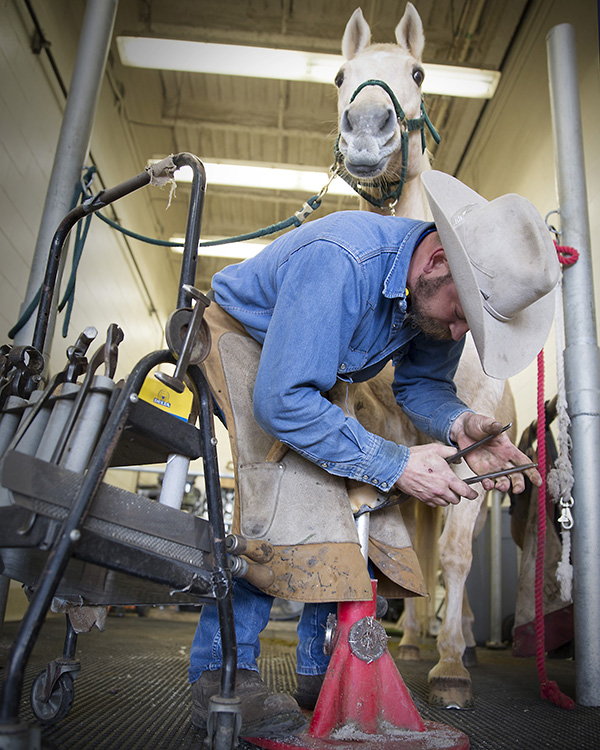
The relationship between humans and horses stretches back thousands of years. As Jason Maki, a renowned farrier at the Texas A&M College of Veterinary Medicine & Biomedical Sciences, points out, humans have been trimming and shoeing horses for as long as we have been partnering with them. This isn’t just about aesthetics; it’s about structural integrity. In the wild, horses travel miles across varied terrain, which naturally wears down their hooves. However, domestic horses often live on softer ground or carry the added weight of a rider, which changes the natural wear-and-tear cycle.
A skilled farrier is much more than someone who “nails on shoes.” They are essentially equine podiatrists. They must understand the delicate internal structures of the hoof—the coffin bone, the laminae, and the frog—and how every millimeter of horn removed or added affects the horse’s balance. When we talk about taking proper care of your pet in every way, we must prioritize these foundational elements. A farrier’s ability to evaluate a horse’s movement and tailor their work to that specific animal is the hallmark of professional excellence.
Timing is Everything: Understanding Hoof Growth Cycles
One of the most common questions horse owners ask is, “How often does my horse need to be trimmed?” The answer, frustratingly, is: it depends. Just like our own fingernails, horse hooves grow at different rates depending on a variety of factors. On average, most horses need a visit every six to eight weeks, but this isn’t a hard and fast rule.
Seasonal Changes: During the cold winter months, a horse’s metabolism often slows down, and consequently, hoof growth rates drop. You might find your horse can go seven or eight weeks between visits in January, whereas in the peak of spring, they might need attention every four or five weeks. Activity Levels: Athletic horses tend to grow their feet faster than sedentary ones. The increased circulation that comes with exercise stimulates the hoof wall to grow. Neglecting this schedule is a recipe for disaster. As Jason Maki warns, excessive growth causes the hoof to deteriorate, leading to flaring, chipping, and cracks that can invite infection.
The Great Debate: Barefoot vs. Shod
In recent years, the “barefoot movement” has gained a lot of traction in the equestrian world. The philosophy is that a horse’s hoof is designed to expand and contract with every step, acting as a natural shock absorber. While this is true, it isn’t always practical for every horse. As an exotic pet enthusiast and horse lover, I believe in looking at the individual animal rather than sticking to a rigid ideology.
According to experts like Maki, if an animal can live and work comfortably without shoes, then being barefoot is often the best choice. It allows for natural hoof expansion and can be easier on the joints. However, many horses require shoes for specific reasons:
- Protection: Horses working on rocky or hard surfaces need shoes to prevent the sole from bruising.
- Traction: Performance horses, such as those in jumping or barrel racing, may need studs or specialized shoes to maintain grip.
- Correction: Some horses have conformational flaws that require specialized shoeing to prevent long-term lameness.
- Medical Support: In cases of laminitis or navicular disease, therapeutic or surgical shoes with removable plates may be necessary to support the internal structures during recovery.
Common Hoof Pathologies and How to Avoid Them
Poor hoof maintenance doesn’t just lead to long toes; it creates an environment where pathogens thrive. Much like taking care of a dog’s paws, horse hooves require daily inspection. Owners should “pick” their horse’s feet every day to remove rocks, manure, and debris. This simple act can prevent several common issues:
Thrush and Fungal Infections: This is a foul-smelling infection of the frog, usually caused by damp, dirty bedding. Regular trimming and daily cleaning are the first lines of defense. Abscesses: These are localized pockets of infection inside the hoof. They are incredibly painful—often making a horse “dead lame” overnight—and usually require a farrier or vet to drain the pressure. Sole Bruises: These occur when a horse steps on a hard object. While they usually heal with rest, repeated bruising can lead to more serious complications.
When maintenance is delayed, the complications that can arise from delayed pet visits become apparent quite quickly. A hoof that has grown too long loses its ability to bear weight effectively, putting undue stress on the tendons and ligaments of the leg.
Advanced Podiatry: When the Farrier and Vet Team Up
The most successful outcomes in equine health happen when the farrier and the veterinarian work in tandem. This is especially true for complex cases. For example, a horse recovering from a serious injury might need surgical shoes. These are sophisticated pieces of equipment that might include removable plates, allowing the vet to treat a wound on the sole while the shoe provides structural support to the rest of the foot.
Modern farriery has access to materials like hoof resins, glues, and composite shoes that didn’t exist a generation ago. These tools allow farriers to rebuild damaged hoof walls or provide cushioning for horses with thin soles. The ability to meet these varied needs is what separates a master craftsman from a hobbyist.
People Also Ask About Equine Hoof Care
How do I know if my horse’s hooves are too long?
Look for signs of “flaring,” where the hoof wall begins to spread outward at the bottom rather than maintaining a straight line from the coronary band. You may also notice the horse “tripping” more often or the toes appearing rounded and chipped. If the hoof wall is hanging over the shoe, you are definitely overdue.
Is it okay to leave a horse barefoot in the winter?
Many owners choose to “pull shoes” for the winter to let the hooves rest and to prevent snow from balling up inside the shoe (which can cause dangerous slipping). This is generally a great idea provided the horse is not being worked on hard, frozen ground and has a good quality hoof that can stand up to the moisture of winter mud.
Can diet affect hoof quality?
Absolutely. The hoof is an extension of the skin and is made primarily of keratin. Biotin, zinc, and amino acids are crucial for growing a strong, resilient hoof wall. If your horse has brittle, crumbly feet, a consultation with an equine nutritionist might be just as important as a visit from the farrier.
The Expert Verdict: A Commitment to Comfort
My final thoughts on the matter are simple: we owe it to these animals to provide them with the very best foundation possible. Whether your horse is a high-performance athlete or a backyard companion, their hooves are their lifeline. Choosing an experienced farrier who understands the nuances of equine anatomy is not an area where you should look to cut corners or “horse around.”
A good farrier doesn’t just look at the feet; they look at the whole horse. They notice the slight change in how a horse stands or the way they shift their weight. This proactive approach prevents small issues from becoming career-ending injuries. Your obligation as an owner is to stay on top of the schedule, keep the stalls clean, and listen to the professional who spends their day under the bellies of these magnificent creatures.
Actionable Takeaways for Horse Owners
- Stick to a Schedule: Set your farrier appointments in advance. Don’t wait until the hooves look “bad” to call.
- Daily Maintenance: Pick out your horse’s feet daily to check for rocks, thrush, or loose shoes.
- Environment Matters: Keep your horse’s living area as dry as possible. Chronic moisture weakens the hoof horn.
- Nutrition: Feed for hoof health. A balanced diet is the first step toward a strong hoof wall.
- Communication: If your horse feels “off” in their gait, call your farrier and vet immediately. Early intervention is key.


