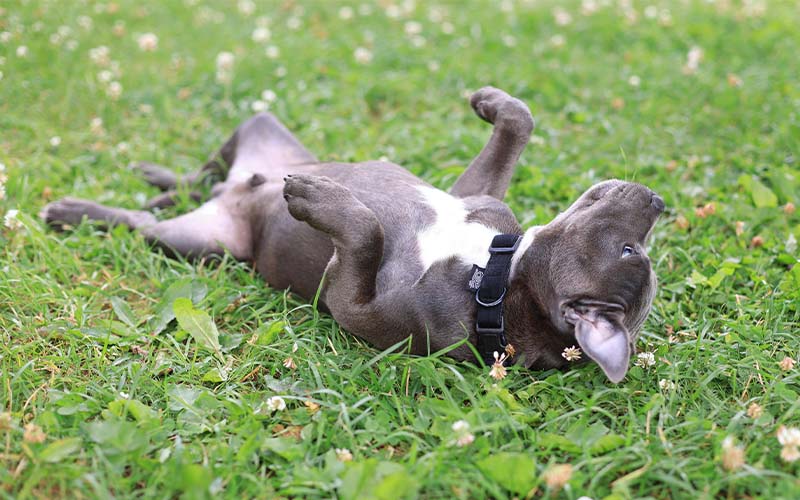
There is perhaps no sight more endearing to a pet parent than a dog suddenly flopping onto their back, legs flailing in the air, and their soft underbelly exposed to the world. It is a moment that feels like a pure invitation for affection, a literal “belly rub tax” that we are all too happy to pay. However, as any seasoned animal behaviorist will tell you, canine communication is far more nuanced than a simple request for scratches. While we often interpret the belly-up position as a universal sign of happiness, it is actually a complex signal that can vary significantly based on context, environment, and the individual dog’s history. Understanding these subtle cues is essential for building a relationship rooted in trust and respect.
1. The Ultimate Declaration of Trust and Security
One of the most common reasons a dog exposes their belly is to demonstrate a profound sense of safety and security. In the wild, the abdomen is the most vulnerable part of a canine’s body, housing all their vital organs without the protection of a ribcage or thick muscle. When a dog chooses to lie on their back in your presence, they are essentially telling you that they do not perceive you as a threat. They are willing to put themselves in a defenseless position because they trust you implicitly.
Recent studies in 2023 and 2024 regarding canine sleep patterns suggest that dogs who sleep in the “cockroach” position (on their backs with legs in the air) are often reaching the deepest stages of REM sleep. This posture allows their muscles to fully relax, which isn’t always possible when they are curled in a ball or lying on their stomachs. However, it is important to remember that every dog is an individual. If your dog prefers to sleep curled up, it doesn’t necessarily mean they are anxious; it may simply be a matter of personal comfort or heat retention. Understanding your dog’s emotional state is critical; for instance, identifying if your dog is depressed or anxious requires looking at many of these same body language cues alongside their sleeping habits.
2. Biological Temperature Regulation
Dogs have limited ways to cool themselves down compared to humans. While we sweat from almost everywhere, dogs primarily rely on panting and sweating through their paw pads. However, the skin on a dog’s belly is typically much thinner and has significantly less fur than the rest of their body. On a hot summer day, you might find your pup sprawled out on a cool tile floor or shaded grass with their belly exposed. This isn’t necessarily an invitation for a rub; it is a clever biological tactic to dissipate body heat.
By exposing the area where blood vessels are closest to the skin surface, dogs can lower their core temperature more efficiently. If you notice your dog doing this after a long walk or during a heatwave, they are likely just trying to stay comfortable. Providing a cooling mat or a fan can supplement this natural behavior. Properly interpreting these signals is part of the key to pet wellness and ensuring a safe environment for your furry friend throughout the changing seasons.
3. Submission and Conflict De-escalation
In the social hierarchy of dogs, belly exposure is a classic submissive gesture. This behavior is rooted in their ancestral history as pack animals. When a dog feels overwhelmed or encounters a more dominant individual (whether human or canine), they may roll over to show they are not a threat. This is their way of saying, “I give up” or “I come in peace.”
When introducing new pets, such as keeping a cat and a Labrador puppy together, observing submissive belly exposure can help you gauge the developing social dynamics. However, there is a dark side to this gesture. If a dog is rolling over because they are fearful, their body language will be stiff. You might see “whale eye” (where the whites of the eyes are visible), tucked tails, or lip licking. In these instances, reaching down to pet the belly can actually trigger a fear-bite response. The dog feels trapped and vulnerable, and your hand reaching toward their vitals may be perceived as an attack. If your dog shows signs of fear-based submission, it is best to give them space and use a calm, reassuring voice rather than physical contact.
4. The Playful Invitation and Social Bonding
Context is everything. When a dog is in a “play state,” rolling onto their back is a clear signal of engagement and fun. You can distinguish this from submission by looking for “loose” body language. A playful dog will have a wiggly body, perhaps a wide “smile” with an open mouth, and may even let out soft, huffy barks. This is often preceded by a “play bow”—where the front end is down and the back end is up.
During play with other dogs, rolling over is a way to self-handicap. A larger or more confident dog might roll onto their back to give a smaller or more timid dog a “fair chance” in a wrestling match. This social intelligence allows dogs of different sizes and temperaments to interact safely. When your dog does this with you, they are inviting you into their world of play. It is a fantastic opportunity to strengthen your bond through gentle wrestling or light-hearted interaction.
5. The Request for Affection (The Classic Belly Rub)
Finally, we come to the reason we all love: the request for physical affection. Many dogs genuinely enjoy the sensation of a belly rub. It releases oxytocin (the “love hormone”) in both the dog and the human, creating a positive feedback loop of bonding. For many dogs, this becomes a learned behavior; they realize that when they roll over, they receive undivided attention and pleasant sensations.
To ensure your dog actually wants a rub, try the “consent test.” Pet their belly for three to five seconds, then stop and move your hand away. If the dog stays in position, nudges your hand, or wiggles closer, they are giving you the green light to continue. If they roll back onto their feet or move away, they’ve had enough. Respecting these small boundaries goes a long way in fostering a deep, mutual respect.
Expert Verdict: Decoding the Canine “Back Flop”
Veterinary experts and animal behaviorists agree that while belly exposure is often a sign of a happy dog, it is never a “one size fits all” gesture. Dr. Fiona Lee notes that owners must look at the totality of the dog’s posture. A relaxed dog will have soft eyes and a fluid body, whereas a submissive or scared dog will be rigid. As we move into 2024, the emphasis in pet care has shifted toward “cooperative care,” where owners are encouraged to listen to their pets’ non-verbal cues to ensure emotional well-being.
Frequently Asked Questions (FAQ)
- Why does my dog kick their leg when I scratch their belly? This is known as the scratch reflex. It is an involuntary response caused by stimulating nerves under the skin that are connected to the spinal cord. It’s similar to the human knee-jerk reaction!
- Is it okay to rub a strange dog’s belly if they roll over? Generally, no. Unless you know the dog well, it is safer to assume the roll-over is a submissive or fearful gesture. Always ask the owner first and let the dog approach you.
- What if my dog never rolls over for belly rubs? Don’t take it personally! Some dogs find the position too vulnerable or simply don’t find the sensation enjoyable. It doesn’t mean they don’t love you.
- Can belly exposure indicate a medical issue? Occasionally, a dog may roll around frantically if they have a skin allergy, fleas, or an itch they can’t reach. If the rolling is accompanied by scratching or red skin, consult your vet.
Conclusion
Understanding why dogs expose their bellies is a journey into the heart of canine communication. Whether they are seeking a way to cool down, showing their immense trust in you, or navigating a complex social interaction with another animal, the “belly flop” is a window into their emotional world. By paying close attention to the nuances of their body language and respecting their boundaries, you can ensure that every belly rub is a moment of genuine connection and joy for both you and your loyal companion.


