As someone who has spent decades living alongside everything from energetic Labradors to inquisitive ferrets and even the occasional rescued skunk, I’ve seen firsthand how the bond between humans and animals is built on trust. We provide them with a safe home, and in return, they give us a lifetime of companionship. However, there is one shadow that still looms over the pet-owning world, often whispered about in hushed tones or relegated to old movies: Rabies. While modern medicine has made incredible strides, this ancient virus remains one of the most misunderstood and deadly threats to our furry family members. In my years as an exotic pet enthusiast, I’ve learned that education isn’t just about knowing what to feed your pet; it’s about understanding the biological risks that could take them away from us in an instant.
Understanding the Nature of the Rabies Virus
To truly protect our companions, we first need to understand what we are up against. Rabies is a zoonotic viral disease—meaning it can jump from animals to humans—that attacks the central nervous system of mammals. It is caused by a rhabdovirus, which effectively hijacks the host’s brain, leading to inflammation and, eventually, death. One of the most frightening aspects of rabies is its 100% fatality rate once symptoms appear. This is why Dr. Katie McCool, a clinical assistant professor at the Texas A&M College of Veterinary Medicine & Biomedical Sciences, emphasizes that prevention is the only real cure.
The virus is primarily transmitted through the saliva of an infected animal. While most of us immediately think of a deep, aggressive bite, transmission can also occur if infected saliva comes into contact with an open wound, a scratch, or the mucous membranes of the mouth, nose, or eyes. It’s a resilient virus in the right environment, and because it targets mammals exclusively, it poses no threat to our birds, reptiles, or fish—but for our dogs, cats, and ferrets, the danger is very real.
The Geography of Risk: Who are the Primary Carriers?
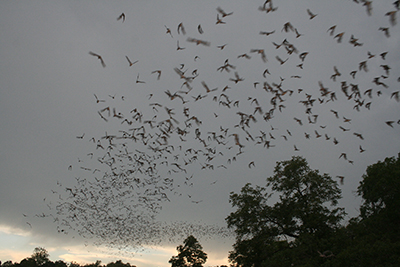
In North America, rabies is mostly maintained in wild populations. Depending on where you live, the “reservoir” species might vary. In many suburban and rural areas, bats, raccoons, skunks, foxes, and coyotes are the most common carriers. It is a common misconception that a nocturnal animal seen during the day is automatically rabid; however, if that animal is also acting confused, aggressive, or unusually friendly toward humans, that is a major red flag.
For those of us keeping exotic pets like ferrets, the risk often comes from outdoor enclosures or accidental encounters with local wildlife. Keeping a close eye on your environment is part of taking proper care of your pet in every way, ensuring that their living space is secure from unwanted wild visitors.
Identifying the Red Flags: Symptoms of Rabies in Pets
One of the most challenging aspects of rabies is the incubation period. An animal can be infected for weeks or even months before showing any signs. During this time, they may appear perfectly healthy. However, once the virus reaches the brain, the clinical signs progress rapidly through two main forms: “furious” rabies and “paralytic” (or dumb) rabies.
The Furious Phase
This is the version most commonly depicted in media. An animal in the furious phase may become extremely irritable and aggressive. They might snap at imaginary objects, chew on their own limbs, or attack anything that moves. You will likely see physical changes such as excessive drooling (hypersalivation) because the virus causes the throat muscles to spasm, making it impossible for the animal to swallow its own saliva. This is where the term “foaming at the mouth” originates.
The Paralytic Phase
This phase is often more deceptive. The animal may seem unusually depressed or lethargic. They might experience dropped jaws, a glazed expression, or localized paralysis, often starting in the hind legs and moving forward. Difficulty walking and seizures are common as the virus systematically shuts down the nervous system. Because rabies is among the top 5 dangerous dog diseases that require quick vet intervention, recognizing these shifts in behavior immediately is critical for the safety of your entire household.
The Golden Rule of Prevention: Vaccination
I cannot stress this enough: vaccination is the single most important responsibility of a pet owner. Whether you have a strictly indoor cat or a dog that only roams a fenced backyard, the risk of a rogue bat or a wandering skunk entering your space is never zero. In fact, cats are diagnosed with rabies more frequently than dogs in the United States, largely because owners often assume indoor cats don’t need the vaccine.
Vaccination protocols vary by state and local laws, but typically, a rabies vaccine is administered at 12 to 16 weeks of age, followed by a booster one year later, and then every one to three years thereafter. For our exotic friends, ferrets are the only other common pet for which an FDA-approved rabies vaccine exists. If you own a ferret, ensuring they are up to date on their shots is a non-negotiable part of their care routine.
Managing Exposure and Potential Bites
If the unthinkable happens and your pet is bitten by a wild animal or a stray with an unknown vaccination history, you must act fast. Even if your pet is vaccinated, the standard procedure involves an immediate booster shot and a period of observation or quarantine. This period allows health officials to ensure the virus was not transmitted. If you are unsure of what steps to take next, you should consult a guide on what to do after a dog bite to understand the medical and legal implications involved.
For humans who are bitten, the stakes are even higher. You should immediately wash the wound with soap and water for at least 15 minutes. This mechanical washing can significantly reduce the viral load. Afterward, seek medical attention immediately. Post-exposure prophylaxis (PEP) is highly effective at preventing the disease in humans if administered shortly after exposure, but it must be started before symptoms appear.
People Also Ask: Common Rabies Questions
Can an indoor-only pet get rabies?
Yes. Bats are notorious for finding their way into attics and living rooms. A curious cat or dog may catch and play with an infected bat, leading to a bite that the owner might not even notice until it’s too late. This is why most jurisdictions require rabies vaccinations even for indoor pets.
Is there a cure for rabies in pets?
Unfortunately, no. Once clinical signs of rabies appear, the disease is always fatal for animals. This is why the focus is entirely on prevention through vaccination and minimizing exposure to wildlife.
How long can the rabies virus survive outside the body?
The rabies virus is quite fragile outside of a host. Once the saliva dries, the virus usually becomes non-infectious. It is susceptible to sunlight, heat, and common disinfectants. However, you should never take the risk of handling a dead animal or wet saliva without heavy-duty protection.
Can my pet get rabies from eating a dead animal?
While the primary mode of transmission is a bite, it is theoretically possible for the virus to enter through small cuts in the mouth or mucous membranes while eating an infected carcass. It is always best to prevent your pets from scavenging or hunting wildlife.
The Expert Verdict: A Shared Responsibility
Living with animals brings us immense joy, but it also carries the weight of public health. Rabies isn’t just a “pet problem”; it’s a community safety issue. By keeping our dogs, cats, and ferrets vaccinated, we create a “buffer zone” between the wild world and our human homes. As Dr. McCool noted, while we rarely see these cases in modern veterinary hospitals, the virus is still very much present in our local wildlife populations.
I’ve always believed that the mark of a great pet parent is their commitment to the boring stuff—the paperwork, the vet visits, and the booster shots. It’s not as fun as buying a new toy or going for a hike, but it is the foundation that allows all those fun moments to happen safely. Don’t wait until you see a strange animal in your yard to check your pet’s records. Take a moment today to ensure your companions are fully protected.
Final Takeaways for Pet Owners
- Stay Current: Keep a digital or physical folder of your pet’s vaccination certificates.
- Secure the Perimeter: Inspect your home and yard for entry points where wildlife like bats or raccoons could enter.
- Supervise Outdoor Time: Never let your pets roam free in areas where wildlife contact is likely.
- Report Abnormal Behavior: If you see a wild animal acting strangely, do not approach it. Contact local animal control immediately.
- Wash and Act: In the event of any bite, prioritize immediate cleaning and professional medical or veterinary consultation.


