If you have ever noticed your cat relentlessly licking, biting, or scratching at a specific patch of skin until it becomes raw and weeping, you have likely witnessed the rapid onset of a hot spot. Known clinically as acute moist dermatitis, these lesions are one of the most frustrating dermatological issues for pet owners. They seem to appear out of nowhere, often escalating from a minor itch to a painful, oozing infection in just a few hours. Because cats are masters at hiding discomfort, a hot spot can sometimes reach a severe stage before it is even noticed under their fur. Understanding the lifecycle of these lesions, the underlying triggers, and the most effective modern treatments is essential for any proactive cat parent looking to maintain their feline’s well-being.
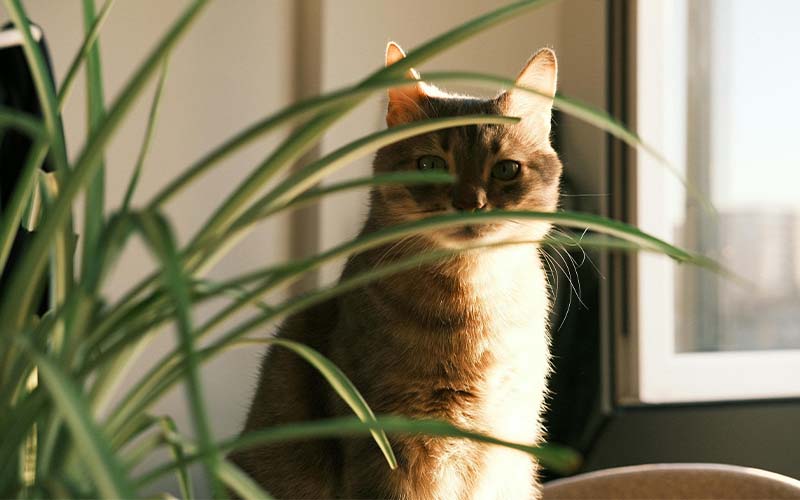
What Are Cat Hot Spots? Understanding Acute Moist Dermatitis
A hot spot is more than just a simple scratch; it is a localized area of skin inflammation and bacterial infection. The condition is termed “acute” because of how quickly it develops and “moist” because the affected area typically oozes serum or pus. When a cat feels a localized irritation—whether from a parasite, an allergy, or a small wound—their natural instinct is to groom the area. However, the feline tongue is covered in backward-facing barbs called papillae, which are incredibly abrasive. Excessive grooming quickly strips the top layer of the skin, allowing Staphylococcus bacteria (which naturally live on the skin) to invade the deeper layers, leading to a secondary infection.
By 2024, veterinary dermatology has seen a rise in reported cases, partly due to changing environmental factors that increase allergen exposure. While hot spots are frequently associated with dogs, they are equally distressing for cats and often indicate a more complex underlying health issue that needs addressing to prevent recurrence.
Identifying the Red Flags: Symptoms of Feline Hot Spots
Early detection is the key to preventing a minor irritation from becoming a systemic health crisis. Owners should perform weekly “skin checks” by running their hands over their cat’s body to feel for bumps, dampness, or heat. Common physical indicators of hot spots include:
- Redness and Inflammation: The skin will appear angry, bright red, and feel warm to the touch.
- Oozing or Crusting: The area may be wet with clear or yellowish fluid, which can eventually harden into a crust or scab.
- Hair Loss (Alopecia): You may find clumps of fur around the house, or the area itself may be completely bald due to self-trauma.
- Matted Fur: The discharge from the wound often causes the surrounding hair to stick together, which can trap bacteria and worsen the infection.
- Behavioral Changes: Your cat may become irritable, hide more often, or react aggressively if you touch the sensitive area.
The Root Causes: Why Do Hot Spots Occur?
Hot spots are rarely a primary condition; they are almost always a symptom of an underlying irritant. Identifying the trigger is the only way to stop the cycle of itching and scratching. Common culprits include:
1. Parasites (Fleas and Mites)
Flea Allergy Dermatitis (FAD) is the leading cause of skin issues in cats. Even a single flea bite can trigger an intense allergic reaction in sensitive felines, leading to frantic scratching. Effective flea and tick management is the first line of defense in keeping your pet’s skin barrier intact and itch-free.
2. Environmental and Food Allergies
Cats can be allergic to pollen, dust mites, mold, or specific proteins in their diet. When exposed, their skin becomes itchy (pruritic), and the head and neck are the most common spots for these allergy-related hot spots to manifest.
3. Behavioral Over-Grooming
Stress, anxiety, or boredom can lead to obsessive-compulsive grooming. This is often seen in multi-pet households or during significant life changes, such as moving to a new home. In these cases, the hot spot is a physical manifestation of a psychological state.
4. Pain and Discomfort
Sometimes, a cat will lick an area because the underlying tissue or joint is painful. For example, a cat with arthritis in their hip might obsessively lick the skin over that joint, eventually creating a hot spot.
Veterinary Diagnosis and Modern Treatment Protocols
If you discover a hot spot, a professional veterinary consultation is highly recommended. Because feline skin is very thin, infections can spread horizontally under the skin faster than in other species. During the exam, your vet may perform a skin scraping or a cytology to identify whether the infection is bacterial, fungal, or yeast-based.
Treatment usually follows a multi-step approach:
- Clipping and Cleaning: The vet will shave the hair around the lesion to allow the skin to breathe and to facilitate cleaning with antiseptic solutions like chlorhexidine.
- Medications: This may include topical or oral antibiotics to fight the infection. For intense itching, steroids or newer monoclonal antibody treatments (specifically designed for felines) may be used to provide immediate relief.
- Protective Gear: The dreaded “cone of shame” or a soft E-collar is often necessary. It is crucial to prevent the cat from reaching the wound while it heals.
- Long-term Maintenance: If allergies are suspected, your vet may recommend a hypoallergenic diet or specific health monitoring protocols similar to those used for other common domestic pet ailments.
At-Home Care and Natural Remedies
For very mild, early-stage irritations, some home care can be beneficial, though it should never replace veterinary advice for open wounds. Keeping the area dry is paramount. You can gently dabbing the area with a cooled green tea bag (the tannins have mild astringent properties) or using a pet-safe saline solution. Avoid using human ointments like Neosporin, as many contain ingredients that are toxic if ingested by cats during grooming.
Consistent coat and hairball management also plays a role. Regular brushing removes dead hair and dander that can trap moisture against the skin, creating a breeding ground for bacteria.
Expert Review: The 2024 Perspective on Feline Dermatology
Veterinary experts now emphasize a “holistic” approach to skin health. Recent data from 2023-2024 suggests that feline skin issues are increasingly linked to gut health and environmental pollutants. Specialists recommend incorporating Omega-3 fatty acids (like fish oil) into the diet to strengthen the skin barrier. Furthermore, the use of pheromone diffusers has shown a 30% reduction in stress-related over-grooming in indoor cats, significantly lowering the incidence of psychogenic hot spots.
Frequently Asked Questions (FAQ)
Can cat hot spots spread to humans or other pets?
While the hot spot itself (the inflammation) is not contagious, the underlying cause might be. For example, if the hot spot is caused by fleas or ringworm (a fungal infection), these can definitely be passed to other animals and humans.
How long does it take for a hot spot to heal?
With proper treatment, most hot spots begin to show significant improvement within 3 to 5 days, and the hair usually starts to grow back within 2 weeks. However, if the underlying cause isn’t addressed, it can return immediately.
Can I use coconut oil on my cat’s hot spot?
While coconut oil has mild antibacterial properties, it is also very greasy. Greasy substances can trap moisture and heat, which might actually make a hot spot worse. It is best to stick to drying, antiseptic treatments recommended by a vet.
Are certain breeds more prone to hot spots?
Long-haired breeds like Persians, Maine Coons, and Himalayans are slightly more at risk because their thick fur can trap moisture and hides early symptoms of skin irritation more effectively than short-haired breeds.
Conclusion
Hot spots on cats are a painful and unsightly problem, but they are also a clear signal from your pet’s body that something is out of balance. Whether it is an allergy to a new food, a hidden flea, or a spike in household stress, addressing the root cause is the only way to ensure long-term comfort. By combining vigilant grooming habits, modern veterinary treatments, and a stress-free environment, you can protect your feline friend from the recurring cycle of acute moist dermatitis. Remember, at the first sign of a “weepy” wound, early intervention is the best gift you can give your cat to get them back to their happy, purring self.


