As pet lovers, we go to great lengths to ensure our companions are safe. We research the best diets, buy the sturdiest toys, and meticulously baby-proof our living rooms. Yet, in my years of observing the curious nature of animals—from the inquisitive beak of a parrot to the scavenging nose of a Labrador—I have realized that the most significant threats are often the ones we cannot see. While we might worry about a car in the street or a stray dog at the park, the invisible danger of heavy metal toxicity is a silent hazard lurking in the very items that make up our daily lives. Whether it is a stray coin under the sofa or the paint on a cherished antique, these metals can turn a normal afternoon into a life-threatening emergency. Understanding these risks isn’t about living in fear; it’s about being an empowered advocate for our pets’ health, knowing exactly what to watch for before a small nibble becomes a major crisis.
In the world of veterinary medicine, metal poisoning is a complex and often misunderstood topic. It isn’t always as simple as a pet eating something obviously dangerous. Often, these toxins are ingested in minute quantities over time, or they are hidden inside objects we consider benign. Dr. Christine Rutter, a clinical associate professor at the Texas A&M College of Veterinary Medicine & Biomedical Sciences, points out that while these cases might not be the most frequent visitors to the ER, they are among the most intensive when they do arrive. For those of us who keep unique animals, being aware of common health problems in exotic birds and small mammals is the first step in prevention. Many of these animals use their mouths to explore their environment, making them particularly vulnerable to the chemical makeup of their surroundings.
Zinc Toxicity: The Danger in Your Pocket
The most frequent culprit in the emergency room at Texas A&M is one of the most common items in the world: the humble penny. However, the risk isn’t from the copper itself, but what lies beneath. Since 1982, pennies minted in the United States have been manufactured as zinc discs with a thin copper coating. While they look the same as older coins, their internal chemistry is vastly different. When a pet swallows one of these post-1982 pennies, the highly acidic environment of the stomach goes to work. The stomach acid quickly erodes the thin copper shell, exposing the zinc core. Once exposed, the zinc is absorbed into the bloodstream, where it begins to wreak havoc on the body’s systems.
Zinc is particularly nasty because it irritates the gastrointestinal lining and, more dangerously, destabilizes the membranes of red blood cells. This leads to hemolysis, a condition where red blood cells actually rupture within the veins. The clinical signs of zinc poisoning can be deceptive at first, often masquerading as a simple upset stomach. Owners should watch for vomiting, a profound lack of energy (lethargy), and a refusal to eat. As the condition progresses, you might notice a yellowing of the whites of the eyes or the gums (icterus) and orange-tinged urine, which indicates the breakdown of blood cells. In many cases, pets don’t show severe symptoms until the damage is extensive, making early diagnostic imaging like X-rays vital. If a penny is found, it must be removed via endoscopy or surgery to stop the source of the toxin. Depending on the severity of the blood cell loss, some pets may even require a life-saving blood transfusion.
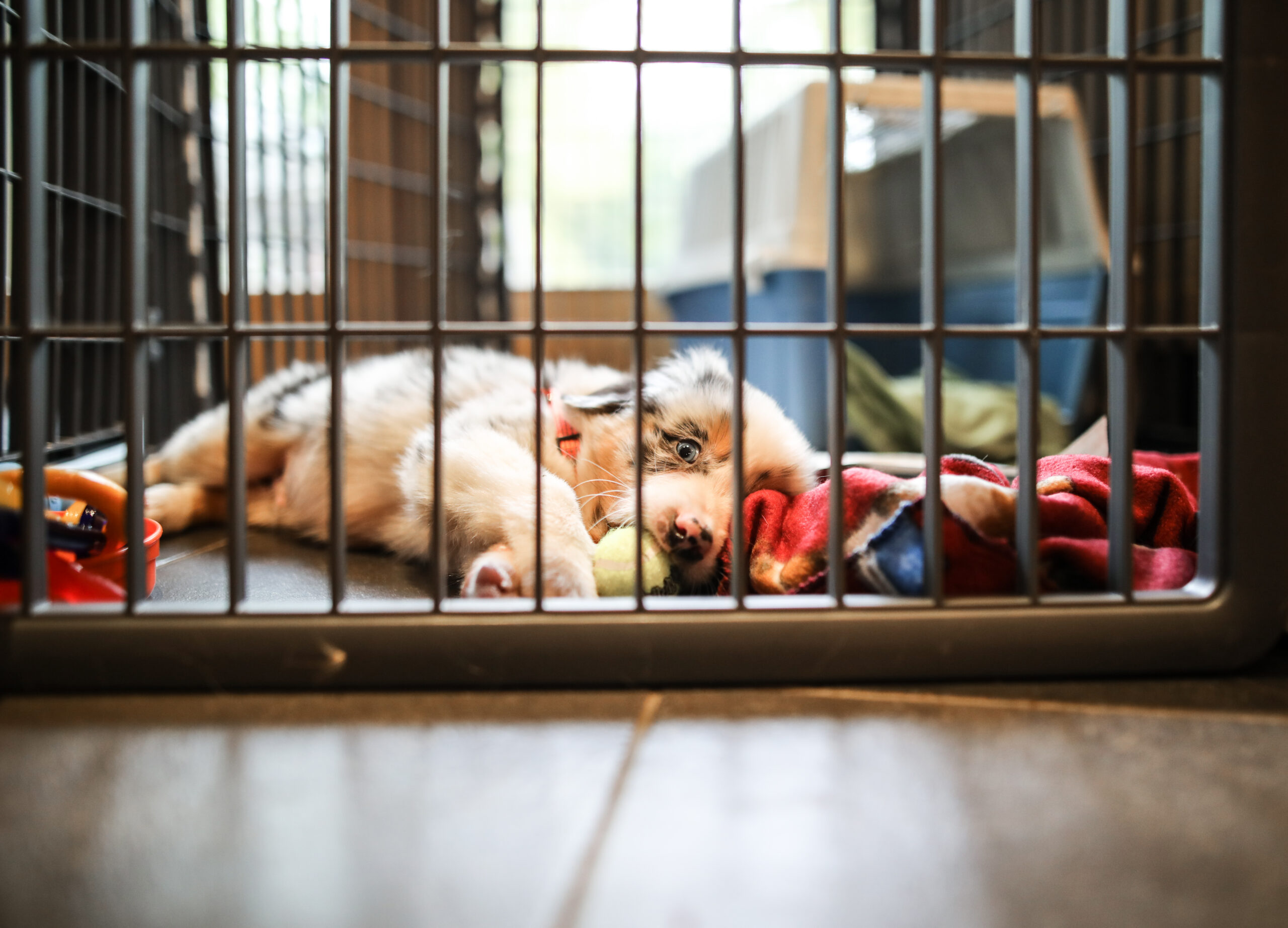
It is not just coins, however. Zinc is found in many household products, including certain diaper creams and sunscreens (specifically those containing zinc oxide). For our feathered friends, when selecting a habitat, it is crucial to ensure that the bars are not galvanized with zinc. Many cheaper wire crates use a zinc-heavy galvanization process that can be toxic if a bird or small mammal habitually chews on the bars. Always look for powder-coated or stainless steel options to eliminate this risk entirely.
Lead Intoxication: A Lingering Legacy
While zinc is often an acute emergency, lead poisoning frequently presents as a chronic, slow-burning illness. Lead was once a staple in household products, from paint to plumbing, and although its use was banned in U.S. residential paint in 1978, the threat remains in older homes and antique items. Pets are naturally drawn to the slightly sweet taste of lead paint chips, and even a small amount can cause significant neurological and gastrointestinal distress over time. Unlike zinc, which causes a rapid crash, lead mimics calcium in the body and can be stored in the bones, leaking out slowly to cause ongoing damage.
Dr. Rutter notes that lead is often suspected when a pet presents with a low red blood cell count and a long history of vague illness. Beyond paint chips, lead can be found in fishing sinkers, drapery weights, ammunition fragments, and even some imported ceramic glazes. A common question among pet owners involves lead pellets from gunshot wounds. Interestingly, Dr. Rutter explains that lead typically needs to be ingested and processed by the digestive tract to become toxic. Lead pellets embedded in muscle tissue often become encapsulated by the body and do not necessarily lead to systemic intoxication unless they are in a joint space or the pet is actively chewing on them.
If you suspect lead exposure, a veterinarian will perform a complete blood count (CBC) and look for “basophilic stippling”—small dots on the red blood cells that are a classic hallmark of lead’s interference with blood production. Treatment involves removing the lead source from the gut and, in severe cases, using chelation therapy—a medical process where specific drugs are used to bind the lead in the bloodstream so it can be excreted safely. For those living in older homes, using home testing kits on painted surfaces and being vigilant about “pica” (the eating of non-food items) is the best defense.
Copper Intoxication: Genetics and Environment
Copper toxicity is perhaps the most nuanced of the three. It can occur in two primary ways: through the ingestion of copper-rich materials or through a genetic predisposition. Environmental sources include high-copper diets (often from pets eating food intended for a different species) or materials like antifouling marine paint used on boat hulls. However, for many dog owners, the threat is internal. Breeds such as Labrador Retrievers, West Highland White Terriers, Doberman Pinschers, and American Cocker Spaniels are genetically predisposed to copper storage disorders.
In these dogs, the liver fails to properly excrete copper, leading to a toxic buildup in the liver tissue. This results in chronic hepatitis and, eventually, liver failure. Because the buildup is gradual, the signs are often subtle—mild weight loss, intermittent vomiting, or increased thirst. A definitive diagnosis usually requires a liver biopsy to quantify the amount of copper present. For these genetically predisposed pets, management involves specialized low-copper diets and medications that help the body process the metal. When creating a pet friendly home, it is worth checking if your breed is on the list of those at risk, as early screening can add years to their life.
People Also Ask: Common Metal Toxicity Questions
Can my bird get sick from its cage bars?
Yes. This is often referred to as “New Cage Syndrome.” If a cage is galvanized with zinc or has lead-based paint, a bird that climbs using its beak can ingest toxic amounts of metal. Always opt for high-quality stainless steel or lead/zinc-free powder-coated enclosures.
What should I do if my dog swallows a penny?
Contact your veterinarian immediately. If the penny was minted after 1982, it is a ticking time bomb of zinc. Your vet will likely want to perform an X-ray to confirm the coin’s location and may recommend immediate removal before the stomach acid breaks it down.
Are modern shotgun pellets a lead risk?
As mentioned by experts, lead pellets embedded in the body from a past wound are generally less risky than lead that is eaten. However, if your pet finds and eats lead shot or a fishing sinker, it is a major medical emergency.
Are there any safe sunscreens for pets?
You should only use sunscreens specifically formulated for pets that are labeled as zinc-free. Human sunscreens often contain zinc oxide or salicylates, both of which can be toxic if licked off the skin.
Expert Verdict: Prevention is the Best Medicine
In my experience, the key to surviving a metal toxicity scare is speed and awareness. These metals are “invisible” because they don’t look like poison, but their impact on the blood, liver, and nervous system is devastating. As owners, we must be the gatekeepers of our pets’ environments. This means scanning the floor for dropped coins, checking the labels on our skin-care products, and being mindful of the history of the homes we live in. If your pet ever seems “off”—lethargic, vomiting, or showing strange gum colors—don’t wait. A simple X-ray or blood test could be the difference between a quick recovery and a tragic loss.
To summarize, the major takeaways for a safe, metal-free household are:
- Audit your coins: Ensure pennies are kept in secure jars or drawers.
- Check the year: Remember that 1982 is the cutoff year for high-zinc pennies.
- Research your breed: If you have a Lab or a Westie, talk to your vet about copper storage screening.
- Vet your gear: Only purchase cages and toys from reputable manufacturers that certify their products as lead and zinc-free.
- Be a detective: In older homes, be mindful of peeling paint and use testing kits if you plan on remodeling.


