Common health problems in exotic birds and their solutions often sound like a daunting checklist, but understanding them is the first step toward keeping your feathered companion thriving.
Imagine waking up to the cheerful chirp of your African Grey, only to notice a subtle wheeze or a change in appetite. Those small signs can quickly spiral into serious issues if left unchecked. This reality makes it essential for bird owners to become familiar with the most frequent ailments and, more importantly, how to address them before they jeopardize a bird’s quality of life.
Exotic birds are marvels of evolution—bright plumage, complex vocalizations, and remarkable intelligence set them apart from more common pet species. Yet, their unique physiology also means they are susceptible to problems that many owners might never encounter with a typical pet dog or cat. From delicate respiratory tracts to specialized digestive systems, each organ system requires a tailored approach to care.
Fortunately, the good news is that many of these conditions are preventable or manageable with early detection, proper nutrition, and a well‑equipped avian veterinary team. By learning the warning signs and the practical steps you can take, you empower yourself to act quickly and confidently.

In the sections that follow, we’ll dive deep into two of the most common categories of ailments: respiratory issues and digestive problems. By the end of this article, you’ll have a solid toolkit of “Common health problems in exotic birds and their solutions” that you can apply the moment you spot a symptom.
Respiratory Issues in Exotic Birds
Respiratory health sits at the core of a bird’s well‑being because their air sacs and lungs are directly linked to every bodily function, from singing to flying. When a bird develops a cough, sneezing, or labored breathing, it’s often a signal that something is amiss in this delicate system.
One of the most prevalent culprits is poor air quality. Dust from wood shavings, strong fragrances, or even cigarette smoke can irritate the mucous membranes, leading to chronic inflammation. To counteract this, keep the cage in a well‑ventilated area, use low‑dust bedding like paper pellets, and avoid aerosols or scented candles near the bird’s environment.
Another frequent problem is bacterial infections such as **Avian Chlamydiosis** or **Mycoplasma gallisepticum**, which manifest as nasal discharge, watery eyes, and reduced activity. Early veterinary intervention is crucial; a vet will typically prescribe a course of antibiotics tailored to the specific pathogen, along with supportive care like humidified air to ease breathing.
Fungal infections, especially **Aspergillosis**, thrive in damp, poorly ventilated spaces. The fungus releases spores that settle in the respiratory tract, causing wheezing, weight loss, and sometimes sudden death. Regular cleaning, maintaining low humidity, and ensuring fresh, clean water can dramatically reduce the risk. If an infection does occur, antifungal medication combined with a high‑calorie diet can help the bird recover.
Finally, mechanical obstructions—like a seed lodged in the beak or a piece of toy that blocks the airway—require immediate action. If you suspect an obstruction, gently open the bird’s beak (if you’re trained) and seek emergency veterinary care. Prompt removal often saves the bird from long‑term lung damage.
Overall, keeping an eye on breathing patterns and environmental factors forms the backbone of “Common health problems in exotic birds and their solutions” for respiratory issues. Simple preventive measures paired with swift veterinary response can keep your bird’s lungs as clear as a spring morning.
Digestive Problems and Nutritional Deficiencies
The avian digestive system is a high‑performance engine designed to extract every ounce of nutrition from seeds, fruits, and occasional insects. When that engine falters, you’ll see signs ranging from soft droppings to a dramatic drop in feather quality.
One of the leading causes of digestive upset is an imbalanced diet. Many owners rely heavily on seed mixes, which are high in fat and low in essential vitamins and minerals. Over time, this can lead to **obesity**, fatty liver disease, and vitamin deficiencies such as **vitamin A** and **calcium** shortages. Switching to a varied diet that includes pellets, fresh vegetables, fruits, and occasional protein sources is a cornerstone of “Common health problems in exotic birds and their solutions.”
Gastrointestinal parasites—like **coccidia** and **hexamita**—can also wreak havoc, producing watery droppings, weight loss, and lethargy. A fecal exam performed by an avian veterinarian will pinpoint the parasite, after which a targeted anti‑parasitic medication, combined with probiotic support, can restore gut health.
Another frequent issue is **crop stasis**, where the crop (a storage pouch near the throat) fails to empty properly. This can be caused by stress, dehydration, or a diet too high in hard seeds. Signs include a swollen crop, reduced appetite, and a sour smell. Gentle massage of the crop, offering fresh water, and feeding softened foods like cooked sweet potato can often resolve the problem, but persistent cases require veterinary attention to avoid necrosis.
Lastly, malabsorption syndromes linked to liver or kidney disease can lead to nutrient deficiencies even when the diet is technically balanced. Blood work can reveal elevated enzymes, and treatment may involve supportive therapy, dietary modifications, and sometimes prescription diets formulated for compromised organ function.
By monitoring droppings, weight, and appetite, you create an early warning system for digestive troubles. Pairing vigilant observation with a well‑rounded diet and routine veterinary check‑ups makes up the essential “Common health problems in exotic birds and their solutions” for keeping your bird’s gut happy and healthy.
Melanjutkan pembahasan sebelumnya, let’s turn our attention to another set of challenges that often surface in the care of exotic avian companions: digestive problems and nutritional deficiencies. These issues can be subtle at first—perhaps a slight change in droppings or a reduced appetite—but if ignored they can quickly spiral into serious health crises. Understanding the root causes, recognizing early warning signs, and implementing practical solutions are essential steps in mastering the art of exotic bird husbandry. In this section we will unpack the most common gastrointestinal disorders, highlight the nutritional gaps that frequently appear, and provide actionable advice that aligns with the broader theme of “common health problems in exotic birds and their solutions.”
Digestive Problems and Nutritional Deficiencies
One of the most prevalent digestive ailments in exotic birds is crop stasis, a condition where the muscular crop fails to contract properly, leading to food buildup and potential bacterial overgrowth. Symptoms include a visibly swollen crop, regurgitation, and a noticeable loss of energy. Immediate intervention usually involves gently massaging the crop to stimulate movement, followed by offering a warm, easily digestible puree (such as mashed banana or papaya) to coax the bird into emptying the pouch. Long‑term prevention hinges on a balanced diet rich in fiber and low in high‑fat seeds, as well as ensuring the bird has access to fresh water at all times.
Another frequent culprit is chronic diarrhea, which can stem from a variety of sources—viral infections, bacterial imbalances, or dietary irritants like sudden changes in food type. Consistency is key: monitor the color, consistency, and frequency of droppings, and keep a log to detect patterns. If diarrhea persists for more than 24‑48 hours, a probiotic supplement designed for birds can help restore gut flora, while a vet‑prescribed antibiotic may be necessary for bacterial infections. Remember, the overarching goal is to address “common health problems in exotic birds and their solutions” by tackling the problem early before dehydration sets in.
Nutritional deficiencies often masquerade as digestive distress. A lack of essential vitamins—particularly A, D3, and E—can weaken the intestinal lining, making it more susceptible to irritation and infection. Exotic birds, especially those fed primarily on commercial seed mixes, may miss out on these micronutrients. Incorporating a daily fresh vegetable mix (dark leafy greens, carrots, bell peppers) and occasional fruit can supply the missing vitamins. Additionally, a high‑quality avian multivitamin can fill gaps, but it should never replace a varied, natural diet. Regular blood work performed by an avian veterinarian can pinpoint specific deficiencies, allowing you to tailor supplementation precisely.
Obesity is an often‑overlooked digestive issue that can lead to hepatic lipidosis, a life‑threatening liver condition. Overfeeding high‑fat seeds and neglecting exercise are common pitfalls for owners of larger species like African greys or macaws. To combat this, establish a feeding schedule that includes measured portions, replace a portion of seeds with pellet diets formulated for the specific species, and provide foraging opportunities that encourage movement. Regular weight checks—by gently feeling the bird’s keel bone and comparing it to species‑specific standards—help catch weight gain before it becomes a serious problem.
Finally, be vigilant about foreign body ingestion. Exotic birds are curious and may chew on non‑food items such as wood shavings, plastic, or metal. A sudden onset of vomiting, regurgitation, or a change in droppings may signal that an object is lodged in the esophagus or crop. If you suspect this, avoid attempting to remove the item yourself; instead, seek immediate veterinary care. Endoscopic removal is often possible, and early intervention dramatically improves outcomes. By maintaining a safe environment and regularly inspecting toys and perches for wear, you can prevent many of these digestive emergencies, reinforcing the “common health problems in exotic birds and their solutions” framework.
Bagian lain yang tidak kalah penting, we now shift focus to the silent yet pervasive threats of parasites and skin disorders that can undermine an exotic bird’s wellbeing. Parasites, both internal and external, thrive in the warm, humid conditions many avian enclosures provide, while skin conditions often arise from poor hygiene or underlying systemic disease. Understanding how these problems manifest and how to address them is critical for any responsible bird keeper.
Parasitic Infections and Skin Conditions
External parasites such as mites, lice, and feather‑picking flies are among the most common health problems in exotic birds and their solutions. These tiny invaders cause intense itching, feather loss, and secondary infections. The first line of defense is a thorough physical examination: look for tiny specks moving in the plumage, crusty skin, or bald patches. If you spot any of these signs, a topical acaricide (e.g., permethrin‑based spray) applied according to the manufacturer’s instructions can eliminate the pests. However, because resistance can develop, rotating between different classes of medications and maintaining strict hygiene—cleaning perches, cages, and feeding dishes daily—is essential for long‑term control.
Internal parasites, notably coccidia and nematodes, often go unnoticed until they cause weight loss, diarrhea, or a dull plumage. Diagnosis typically requires a fecal float test performed by an avian veterinarian. Once identified, a targeted antiparasitic medication such as sulfa drugs for coccidia or fenbendazole for nematodes is prescribed. It is crucial to complete the full course of treatment, even if symptoms improve early, to prevent recurrence. Regular deworming schedules—especially for birds that have outdoor access or share an environment with other animals—are a cornerstone of “common health problems in exotic birds and their solutions.”
Skin conditions can also arise from fungal infections like aspergillosis, which not only affect the integumentary system but can invade the respiratory tract. Early signs include white, cotton‑like growths on the beak or feet, and a general malaise. Prompt antifungal therapy, typically administered orally or via injection, is required, but success depends heavily on early detection. Supporting the bird’s immune system through a nutrient‑dense diet rich in antioxidants (such as blueberries, carrots, and leafy greens) and ensuring low humidity levels in the enclosure can reduce the likelihood of fungal overgrowth.
Allergic dermatitis is another frequent skin issue, often triggered by dust, pollen, or certain cage materials. Affected birds may exhibit redness, swelling, and persistent scratching. The solution begins with identifying and eliminating the allergen—switching to dust‑free bedding, using hypoallergenic perches, or relocating the cage away from windows where pollen infiltrates. Topical corticosteroid creams prescribed by a vet can alleviate inflammation, but they should be used sparingly to avoid suppressing the bird’s immune response. Regular grooming, including gentle feather trimming and beak filing, helps keep the skin healthy and reduces the risk of secondary infections.
Finally, proper grooming and environmental management play a pivotal role in preventing both parasites and skin problems. Bathing—whether through misting, shallow water dishes, or regular showers—helps keep the plumage clean and deters mite infestations. Additionally, rotating perches made from different natural materials (e.g., natural wood, rope, concrete) not only promotes foot health but also discourages parasites that prefer a specific substrate. By combining vigilant observation, timely veterinary intervention, and proactive husbandry practices, owners can effectively address “common health problems in exotic birds and their solutions,” ensuring their feathered friends thrive for years to come.
Behavioral and Psychological Health Concerns
Transitioning from the gritty realities of parasites and skin lesions, we now turn our attention to the less visible yet equally critical realm of mental wellbeing. Even the most physically robust macaw or cockatiel can suffer from stress‑induced behaviors that masquerade as “bad habits,” but are actually signals of underlying psychological distress. Understanding these cues is essential when tackling the broader topic of common health problems in exotic birds and their solutions.
One of the most prevalent behavioral red flags is feather‑destructive plucking. While it can stem from a nutritional deficiency, in many cases the root cause is boredom, anxiety, or an unsuitable social environment. Birds are highly intelligent and require daily mental stimulation—puzzle toys, foraging opportunities, and regular interaction with their human caretakers can dramatically reduce the urge to self‑mutilate. If you notice a bird repeatedly pulling out its feathers, first evaluate its diet and cage setup, then gradually introduce enrichment activities. A well‑balanced approach often reverses the behavior within a few weeks.
Another common issue is stereotypic pacing or “circling,” especially seen in larger parrots such as African greys. This repetitive motion is a classic sign of chronic stress, often triggered by a lack of flight space, monotony, or sudden changes in routine. Providing a safe, enclosed flight area or a larger aviary where the bird can stretch its wings is a game‑changer. Additionally, establishing a predictable daily schedule—feeding, cleaning, playtime—helps the bird feel secure and reduces the need for compulsive movement. Baca Juga: Panduan Utama Merawat Macaw Peliharaan di Rumah: Rahasia 7 Langkah Mudah Agar Burung Anda Selalu Sehat dan Bahagia!
Exotic birds are also prone to vocal aggression or excessive screaming. While some level of noise is normal, constant, high‑volume vocalizations can indicate frustration, fear, or territorial disputes. Addressing this requires a two‑pronged strategy: first, identify any environmental triggers (e.g., loud household appliances, other pets) and mitigate them; second, engage the bird in positive reinforcement training. Teaching simple commands like “step up” or “quiet” using treats can give the bird a sense of control and decrease anxiety‑driven shouting.
Social isolation is another hidden threat. Many owners keep a single bird, assuming it will become attached to them. However, many species are inherently flock‑oriented and can develop depression or aggression when deprived of conspecific interaction. If a solitary bird shows signs of withdrawal—loss of appetite, reduced vocalization, or a dull plumage—consider adding a compatible companion or, at the very least, increasing the amount of face‑to‑face time you spend with it each day. Research shows that appropriate social interaction can boost immunity and overall vitality.
Finally, it’s worth noting that some exotic birds develop obsessive grooming or repetitive “head‑bobbing” movements. These can be early indicators of neurological disorders or severe stress. A thorough veterinary exam is mandatory to rule out underlying medical conditions such as beak and feather disease (BFD) or metabolic imbalances. If the physical exam is clear, focus on environmental enrichment, diet variety, and a calm, predictable household atmosphere.
In sum, behavioral health is inseparable from physical health. By observing subtle changes in a bird’s routine, providing enrichment, ensuring proper social structures, and maintaining a stable environment, owners can preempt many of the psychological issues that often accompany exotic avian species.
[INTERNALLINK] For a deeper dive into specific enrichment toys and how to rotate them effectively, check out our detailed guide on creating a stimulating aviary environment.
Key Takeaways
Across the article we have explored the major categories of common health problems in exotic birds and their solutions. Respiratory infections demand prompt veterinary attention, clean air, and humidity control. Digestive disturbances call for a balanced diet rich in fiber, fresh water, and regular monitoring of droppings. Parasitic invasions and skin conditions highlight the importance of routine parasite screenings, proper cage hygiene, and timely treatment with appropriate anti‑parasitic agents. Lastly, behavioral and psychological concerns remind us that mental stimulation, social interaction, and a predictable routine are just as vital as physical care.
When you tie these threads together, a clear pattern emerges: prevention is always cheaper and kinder than cure. Regular health check‑ups, a varied and nutritionally complete diet, a clean living space, and daily enrichment form the backbone of a thriving exotic bird’s life. By staying vigilant and proactive, owners can dramatically reduce the incidence of disease and improve the overall quality of life for their feathered companions.
[EXTERNALLINK] If you’re ready to put these solutions into practice, explore our comprehensive checklist for exotic bird owners, which compiles all the essential steps into a handy, printable format.
Conclusion
Addressing common health problems in exotic birds and their solutions is a holistic endeavor that blends medical knowledge with compassionate husbandry. Whether you’re battling a stubborn respiratory infection, fine‑tuning a diet to prevent digestive upset, eradicating parasites, or calming a stressed‑out parrot, each piece of the puzzle contributes to a healthier, happier bird. Remember, early detection and consistent preventive care are your most powerful tools.
Take the first step today: schedule a wellness exam with an avian‑specialized veterinarian, audit your bird’s environment for enrichment opportunities, and commit to a balanced feeding plan. Your dedication will pay off in vibrant plumage, lively chatter, and the long‑lasting companionship that exotic birds uniquely offer.
Ready to give your feathered friend the best possible care? Dive into our full guide, download the printable health checklist, and join a community of informed bird enthusiasts who are turning knowledge into action.
Introduction
Exotic birds captivate us with their vivid plumage, intelligent chatter, and unique personalities. Yet, behind the beauty lies a delicate physiology that can be easily upset by subtle changes in environment, diet, or routine. Understanding the common health problems in exotic birds and their solutions is essential for any keeper who wants to give these feathered companions a long, thriving life. Below we dive deeper into each major health category, illustrating each point with real‑world cases and practical tips that go beyond the basics.
Respiratory Issues in Exotic Birds
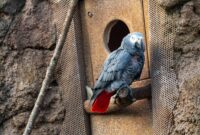
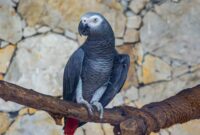
Respiratory disease is one of the leading causes of mortality in parrots, conures, and other exotic species. A classic example is the case of “Luna,” a 7‑year‑old African Grey rescued from a breeder. Within weeks of moving into a new home, Luna began wheezing and showed labored breathing. A veterinary examination revealed Aspergillus fumigatus infection—a fungal pneumonia common in birds kept in damp, poorly ventilated spaces.
What worked for Luna? After a 14‑day course of antifungal medication (itraconazole), her owner instituted three key changes:
- Improved ventilation: Installing a low‑noise exhaust fan to achieve at least 5 air changes per hour reduced airborne spores.
- Humidity control: Using a hygrometer and a humidifier set to maintain 45‑55% relative humidity prevented the overly dry air that can irritate the mucosa.
- Dust‑free diet: Switching from a seed‑heavy diet to a formulated pellet reduced particulate matter that can lodge in the airways.
Another often‑overlooked factor is the use of scented candles or essential oils. While they may smell pleasant to us, many volatile compounds are toxic to birds. A simple rule of thumb: if you can smell it, your bird can breathe it.
For prevention, keep the cage away from kitchens, bathrooms, and smoking areas. Regularly clean perches, toys, and food dishes with a diluted bleach solution (1 % sodium hypochlorite) to kill hidden fungal spores. Early detection—such as a sudden increase in open‑mouth breathing or a change in vocalization—should prompt an immediate veterinary check.
Digestive Problems and Nutritional Deficiencies
Digestive upset ranges from mild dyspepsia to life‑threatening crop stasis. Take the story of “Milo,” a 3‑year‑old budgerigar that was fed an all‑seed diet for years. He began to lose weight despite a voracious appetite, and his droppings turned chalky. Blood work revealed severe calcium deficiency (hypocalcemia) and a low protein index.
Solution for Milo involved a three‑step nutritional overhaul:
- Balanced pelleted diet: Introducing a high‑quality, species‑appropriate pellet ensured a consistent intake of calcium, vitamins, and protein.
- Fresh greens and vegetables: Adding kale, dandelion leaves, and carrot tops provided natural sources of calcium and antioxidants.
- Supplemental grit: A small amount of calcium‑rich cuttlebone placed in the cage helped the bird grind and absorb minerals.
Another hidden danger is hidden toxins in food. A case from a veterinary clinic in Texas documented a sun conure that suffered acute liver failure after eating avocado slices—an ingredient that is toxic to many bird species. The lesson: always cross‑check the safety of any new food item.
Practical tip: Perform a “food audit” every month. Write down everything the bird eats, then compare it to a reputable avian nutrition chart. Small adjustments—like swapping one seed mix for a pellet‑based one—can prevent long‑term deficiencies before they manifest as digestive problems.
Parasitic Infections and Skin Conditions
External parasites such as feather mites, lice, and ticks are more than a nuisance; they can lead to severe skin infections and secondary bacterial growth. “Rio,” a 12‑year‑old scarlet macaw, arrived at a sanctuary with a thick, powdery coating on his wings and a noticeable feather loss. Microscopic examination identified Knemidocoptes pilae (feather mites).
Rio’s treatment plan combined medication and habitat hygiene:
- Topical ivermectin: Applied to affected feathers twice weekly for three weeks.
- Bathing regimen: A gentle, lukewarm soak with a bird‑safe medicated shampoo helped dislodge mites.
- Environmental decontamination: All perches, toys, and the cage liner were washed in hot water (≥ 60 °C) and soaked in a diluted bleach solution (1 %).
Within a month, Rio’s plumage began to regrow, and his behavior returned to normal. The case highlights the importance of routine skin checks—especially after molting, when birds may be more vulnerable to infestations.
For internal parasites (e.g., coccidia or giardia), a fecal flotation test is the gold standard. If positive, a short course of sulfadimethoxine or a probiotic blend can restore gut flora. Keep water sources clean and avoid using untreated pond water, which is a common source of protozoan parasites.
Behavioral and Psychological Health Concerns
Behavioral issues are often a mirror of physical discomfort or environmental stress. “Bella,” a 5‑year‑old cockatiel, started plucking her tail feathers after a move to a quieter apartment. The feather loss was initially thought to be a nutritional issue, but a thorough physical exam revealed no medical cause.
The solution was multi‑faceted:
- Environmental enrichment: Introducing foraging toys, puzzle feeders, and rotating perches encouraged natural exploratory behavior.
- Companion bird: Adding a compatible budgerigar provided social interaction, reducing isolation stress.
- Routine and predictability: Establishing a daily schedule for feeding, play, and sleep helped Bella feel secure.
Within six weeks, feather plucking decreased dramatically. The case underscores that “Common health problems in exotic birds and their solutions” are not limited to physical ailments; mental well‑being is equally vital.
Additional tips for owners:
- Provide a “quiet zone” where the bird can retreat from household noise.
- Use natural daylight or full‑spectrum lighting to regulate circadian rhythms.
- Monitor vocalizations—excessive screaming or silence can signal stress.
Conclusion
Exotic birds are intricate creatures whose health hinges on a blend of proper nutrition, clean environments, vigilant observation, and emotional enrichment. By learning from real‑world cases—like Luna’s fungal pneumonia, Milo’s dietary overhaul, Rio’s mite battle, and Bella’s behavioral turnaround—bird owners can proactively address the common health problems in exotic birds and their solutions. Remember, early detection, regular veterinary check‑ups, and a commitment to enrichment are the best investments you can make for the feathered members of your family.