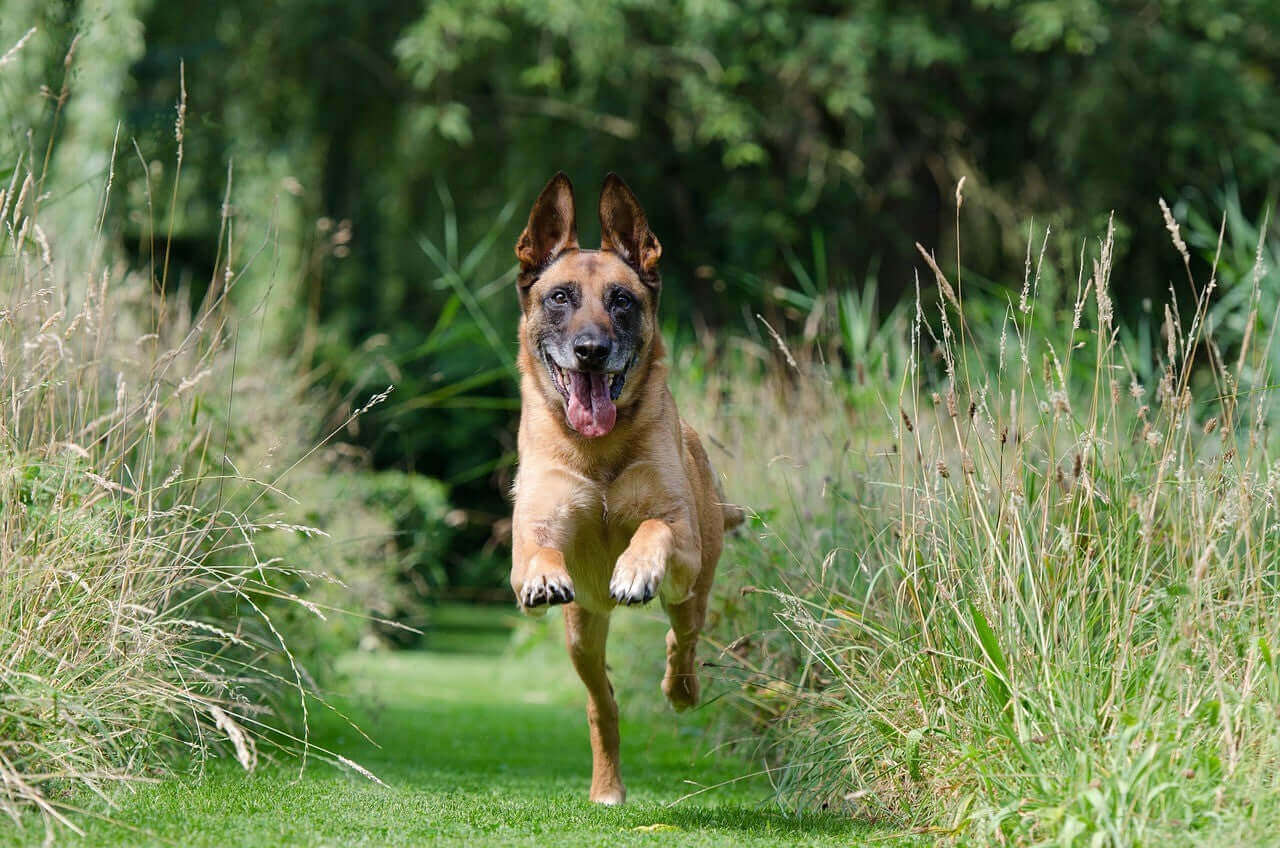
Training an animal is far more than a simple exercise in obedience; it is a profound journey of communication that bridges the gap between species. Whether you are welcoming a high-energy Malinois into your home, rehabilitating a rescue cat, or working with an exotic bird, the principles of behavioral science remain remarkably consistent. In 2024, the landscape of animal training has undergone a paradigmatic shift, moving away from outdated dominance-based models toward a more empathetic, science-backed approach. This comprehensive guide explores the nuances of modern training, emphasizing that the ultimate goal is not merely a pet that follows commands, but a partner that understands expectations and feels secure in its environment. By mastering the fundamentals of psychology and timing, you can transform the way you interact with the animals in your life, fostering a bond built on mutual respect and shared language.
The Foundation: Understanding Ethology and Communication
Before a single treat is offered or a command given, a successful trainer must become a student of ethology—the study of animal behavior. Animals do not use words; they utilize a complex tapestry of body language, pheromones, and vocalizations to express their internal states. For example, in canine communication, a wagging tail is not always a sign of happiness; depending on the height and speed, it can indicate anything from intense anxiety to high arousal. Similarly, a cat’s rotating ears or a twitching tail tip are vital precursors to overstimulation.
Recent studies in 2023 and early 2024 suggest that animals are highly attuned to human cortisol levels. If a trainer is frustrated, the animal senses the stress, which inhibits their ability to learn. This biological feedback loop highlights the importance of the emotional state of both parties. To train effectively, you must first learn to read the subtle shifts in your animal’s posture—the dilation of pupils, the tension in the muzzle, or the positioning of the weight. This sensitivity allows you to adjust the difficulty of your training sessions in real-time, ensuring the animal remains in a “growth zone” rather than falling into a “panic zone.”
The Trust Reservoir: Building a Safe Learning Environment
Learning cannot occur in a state of fear. Modern training protocols emphasize the creation of a “Trust Reservoir”—a bank of positive experiences that allows the animal to feel safe enough to take risks and try new behaviors. This starts with environmental management. A distracted or fearful animal cannot focus on the trainer. Therefore, initial sessions should occur in a quiet, familiar space where the animal feels complete physical and psychological safety.
Consistency is the currency of trust. When your reactions are predictable, the animal feels a sense of control over their environment. This is especially true for rescued animals who may have a history of inconsistent or harsh treatment. Statistics from behavioral clinics show that consistent, reward-based routines can reduce cortisol levels in shelter dogs by up to 35% within the first two weeks of adoption. By spending time in non-contingent bonding—activities where no demands are made, such as gentle grooming or simply sitting together—you build the foundational rapport necessary for the rigors of formal training.
Core Methodologies: Why Positive Reinforcement Dominates
The debate between “balanced” training and purely positive methods has largely been settled by modern veterinary behaviorists. Positive reinforcement, the process of adding a desirable stimulus (like food or play) immediately following a behavior, has been proven to create more durable neural pathways than punishment-based methods. When an animal is rewarded, the brain releases dopamine, which not only makes the animal feel good but also helps encode the memory of the action more effectively.
Clicker Training and Marker Signals
One of the most precise tools in the modern trainer’s arsenal is the clicker. A clicker serves as a “bridge” or a marker, signaling the exact moment the animal did something correct. This eliminates the ambiguity often found in human speech. For instance, if you are teaching a horse to target an object, the click marks the exact millisecond the nose touches the target, even if the reward (a carrot) arrives five seconds later. This precision speeds up the learning process by as much as 50% in many species.
The Pitfalls of Aversive Methods
While aversive methods—such as shock collars or physical corrections—might yield immediate results, they often carry a heavy price. Research indicates that animals trained with aversives are significantly more likely to develop generalized anxiety and learned helplessness. Furthermore, aversives only teach an animal what not to do, whereas positive reinforcement teaches them what to do, creating a more confident and creative learner.
The Role of Professional Leadership Dog Training
While basic obedience can often be handled at home, complex behavioral issues like resource guarding, separation anxiety, or reactivity often require the intervention of a specialist. Leadership dog training is a specific philosophy that has gained traction recently. Contrary to the “Alpha” myths of the 1970s, modern leadership is defined by guidance, clarity, and the setting of healthy boundaries. A professional trainer acts as a coach for the human as much as the animal, teaching the owner how to be a reliable source of information for their pet.
In cases of severe aggression, professional trainers utilize systematic desensitization and counter-conditioning. A case study from a 2024 behavioral symposium detailed a reactive Rottweiler that, through six months of leadership-based positive reinforcement, shifted from lunging at strangers to looking at its owner for guidance when a trigger appeared. This “Look at That” (LAT) protocol is a staple of professional intervention, proving that even the most ingrained behaviors can be reshaped with the right expertise.
Setting Realistic Goals and the Power of Consistency
A common mistake among novice trainers is moving too fast. To ensure success, one must employ the concept of “shaping”—breaking a complex behavior down into tiny, achievable increments. If you want to train a cat to use a specific scratching post, start by rewarding them just for looking at it, then for walking toward it, then for touching it. This prevents frustration and keeps the animal engaged.
- Standardize your cues: Ensure everyone in the household uses the same word for the same action. “Down” should not mean “get off the couch” for one person and “lie down” for another.
- Short, frequent sessions: Ten sessions of five minutes each are vastly superior to one fifty-minute session. Animals, like humans, have a limited attention span for intense cognitive work.
- The “Three Ds”: Always account for Distance, Duration, and Distraction. An animal that can “Stay” in a quiet kitchen may not be able to do so at a busy park. Increase these variables one at a time.
Expert Review: The Consensus on Ethical Training
Leading experts in the field, including members of the International Association of Animal Behavior Consultants (IAABC), emphasize that training is a lifelong commitment. The consensus for 2024 is clear: the most effective trainers are those who prioritize the emotional well-being of the animal over the speed of results. Ethical training involves meeting the animal’s species-specific needs—such as foraging for birds or sniffing for dogs—before asking them to perform human-centric tasks. When an animal’s basic needs are met, their “behavioral budget” is balanced, making them much more receptive to learning.
Frequently Asked Questions (FAQ)
1. How long does it typically take to train a new behavior?
This varies by species and the complexity of the task, but most animals can grasp a basic command in 15 to 30 repetitions. However, achieving “fluency”—where the animal performs the behavior reliably in all environments—can take weeks or months of consistent practice.
2. Can older animals truly learn new tricks?
Absolutely. Neuroplasticity exists in animals throughout their lives. While older animals may have more “ingrained” habits or physical limitations, they are often more focused than young, excitable puppies or kittens. The key is to adjust the reward system to something they highly value.
3. What should I do if my pet refuses to follow a command they already know?
Usually, this is not “stubbornness.” It is typically due to one of three things: distraction, fear, or a lack of understanding of the cue in a new context. Go back a step in your training, lower the distractions, and reinforce the behavior again to rebuild their confidence.
4. Is food the only way to train using positive reinforcement?
No. While food is a powerful primary reinforcer, you can use anything the animal values. This could be a favorite toy, physical affection, the opportunity to go sniff a tree, or even verbal praise if the animal has been conditioned to find it rewarding.
5. Why is my dog behaving well for the trainer but not for me?
This is a common issue of “handler consistency.” Professional trainers have impeccable timing and body language. Animals are highly sensitive to these cues. Working with a trainer helps you refine your own signals so that you become as clear and predictable as the professional.
Conclusion
The journey of training an animal is a testament to the power of patience and empathy. By utilizing science-based methods and prioritizing the bond of trust, you unlock a level of cooperation that is impossible to achieve through force. As we move through 2024, the emphasis remains on the “whole animal” approach—considering health, environment, and genetics as parts of the training puzzle. Whether you are aiming for high-level competition or simply a harmonious household, remember that every interaction is a training session. Stay consistent, stay positive, and celebrate the small victories. The result will be a confident, happy animal and a relationship that truly enriches both of your lives.


