There is a centuries-old adage in the equestrian world that still rings as true today as it did in the days of horse-drawn carriages: “No hoof, no horse.” As someone who has spent decades working with various large animals and exotic species, I can tell you that the foundation of any animal’s well-being literally starts from the ground up. When we take on the responsibility of an equine companion, we aren’t just caring for a majestic animal; we are maintaining a complex biological machine where the hooves act as the primary suspension system. Neglecting this foundation doesn’t just lead to a limp; it can lead to systemic health failures, chronic pain, and a significantly diminished quality of life. Understanding the nuance of hoof health is the difference between a horse that merely exists and one that thrives under saddle or in the pasture.
The Anatomy of a Masterpiece: Why Hooves Are So Complex
To truly appreciate the necessity of hoof care, we must first understand what exactly is happening inside that hard keratin shell. The hoof is not just a “fingernail”; it is a living, breathing structure. It houses the distal phalanx (coffin bone), the digital cushion, and a network of sensitive laminae that act like Velcro, holding the bone to the hoof wall. Every step a horse takes involves a sophisticated process of weight distribution and shock absorption. Much like taking care of a dog’s paws, equine podiatry requires an eye for detail and an understanding of how environmental factors influence physical structures.
When a horse moves, the hoof expands and contracts, aiding in blood circulation back up the leg. If the hoof is overgrown, poorly balanced, or diseased, this pump mechanism fails. This is why routine maintenance is not an option—it is a biological requirement. As Jason Maki from the Texas A&M College of Veterinary Medicine & Biomedical Sciences points out, the hoof is in a state of constant growth. Without intervention, this growth becomes a liability rather than a natural process.
The Danger of the Overgrown Hoof
What happens when we skip a farrier appointment? On the surface, it might just look like a “long” hoof, but the internal mechanics are shifting dangerously. Excessive length increases the leverage on the tendons and ligaments. Imagine wearing a pair of flippers and trying to run a marathon; the strain on your ankles and calves would be immense. For a horse, this strain translates to bowed tendons and suspensory ligament injuries.
Furthermore, long hooves are prone to mechanical failures. We see flaring of the hoof capsule, where the wall begins to pull away from the internal structures. This creates tiny gaps and separations. These aren’t just cosmetic flaws; they are open invitations for trouble. These separations allow bacteria and fungi to move in, leading to the dreaded White Line Disease (WLD). WLD is particularly insidious because it eats away at the inner hoof wall, often remaining hidden until the structural integrity of the hoof is severely compromised.
Common Pathologies: From Abscesses to White Line Disease
As part of a yearly pet care routine guide, checking for hoof pathologies should be a daily habit. One of the most common issues owners face is the hoof abscess. These are essentially localized infections behind the hoof wall or in the sole. They cause intense pressure and sudden, severe lameness. Usually, an abscess is caused by a puncture wound or bacteria entering through a crack caused by overgrown hooves.
Then there is Thrush, a foul-smelling bacterial infection that attacks the frog (the V-shaped structure on the bottom of the hoof). Thrush thrives in wet, dirty environments. While it is usually treatable with topical antiseptics and a cleaner environment, chronic thrush can reach sensitive tissues and cause permanent lameness. Proactive care involves picking out hooves daily to ensure oxygen reaches the crevices of the frog, as the bacteria responsible for thrush are typically anaerobic (meaning they hate oxygen).
The Farrier-Owner Relationship: Finding the Right Professional
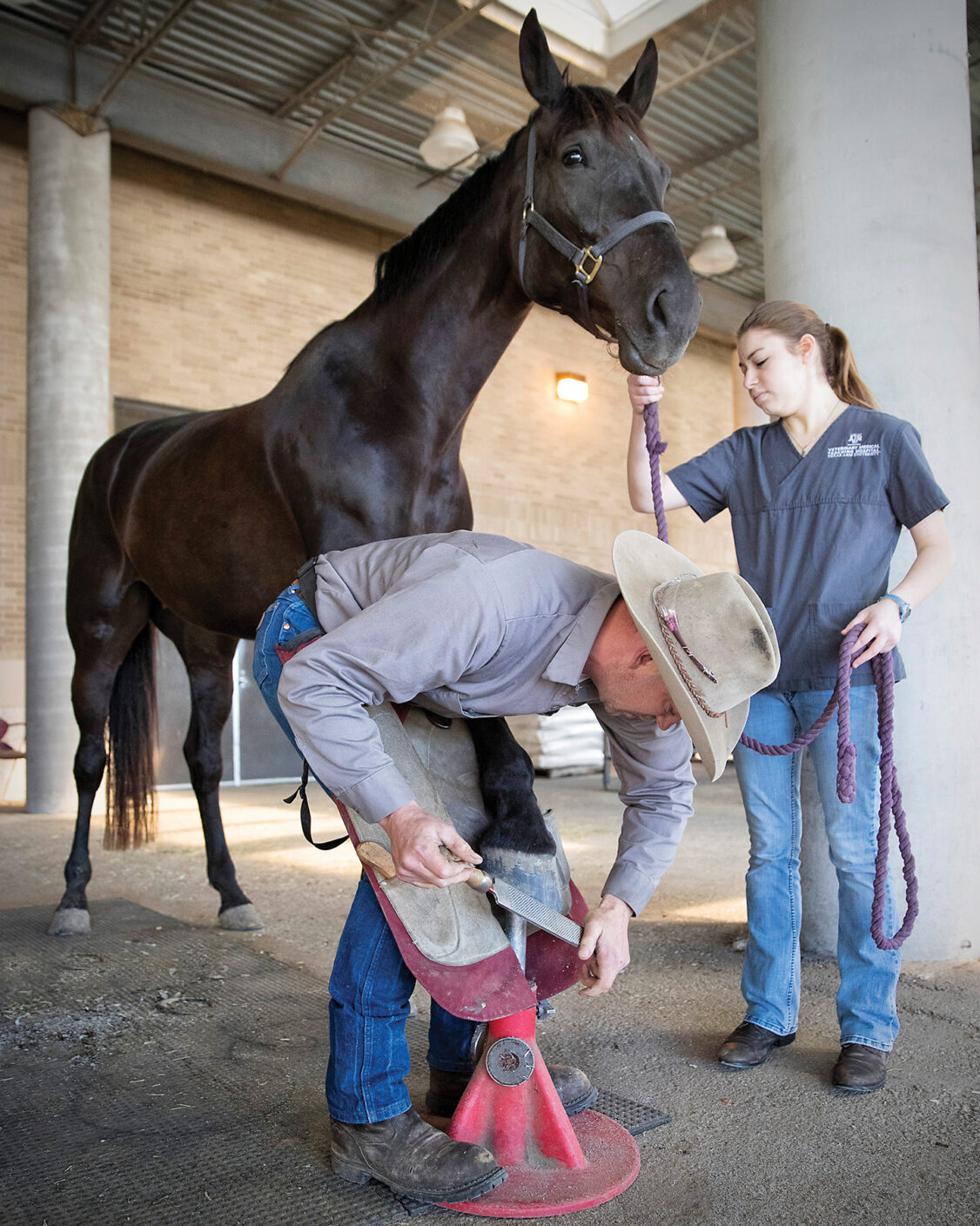
Because farriery is a loosely regulated industry in many regions, the burden of finding a qualified professional falls on the owner. It is a personal journey, as Jason Maki suggests, but there are benchmarks to look for. I always recommend seeking out a farrier who is registered with a reputable organization, such as the American Farriers Association (AFA). These individuals have undergone voluntary testing and certification, demonstrating a deep knowledge of equine anatomy and gait mechanics.
A good farrier doesn’t just trim; they evaluate. They look at how the horse stands, how it moves, and how the wear patterns on the old shoes (or the bare hoof) tell a story of the horse’s internal health. You should feel comfortable asking your farrier questions. If they can’t explain why they are taking a certain approach to your horse’s balance, it might be time to seek a second opinion. Consistency is key here; most horses need a professional visit every 6 to 8 weeks, depending on their growth rate and workload.
Environmental and Nutritional Foundations
We cannot talk about hoof care without mentioning what goes into the horse. The quality of the hoof wall is a direct reflection of the horse’s diet. Essential nutrients like Biotin, Zinc, and Methionine play a massive role in keratin production. If your horse has brittle, crumbly hooves, the solution might be in the feed bucket rather than just the topical dressing. However, always consult with an equine nutritionist or vet before adding supplements, as imbalances can sometimes cause more harm than good.
Environment is the other side of the coin. A horse standing in deep mud for 24 hours a day will almost certainly develop hoof issues. Conversely, a horse kept on rock-hard, dry ground without adequate moisture might suffer from brittle walls and cracks. Managing the moisture level of the hoof—ensuring they are dry enough to stay hard but hydrated enough to stay flexible—is an art form in itself. Sometimes, you have to look for hidden signals your pet’s health may be changing, such as a slight heat in the hoof wall or a subtle change in how they shift their weight in the stall.
People Also Ask (PAA)
- How often should a horse’s hooves be trimmed? Most horses require a trim or shoeing every 6 to 8 weeks. However, in the summer when hooves grow faster, or for horses with specific orthopedic needs, a 4 to 5-week schedule may be necessary.
- Can a horse go barefoot? Yes, many horses can thrive barefoot, but it depends on their hoof quality, the terrain they work on, and their workload. A transition period and specialized trimming are usually required.
- What is the best way to prevent White Line Disease? The best prevention is keeping the hooves properly trimmed to avoid flare-ups and cracks where fungi can enter. Maintaining a clean, dry environment is also crucial.
- How do I know if my horse has a hoof abscess? Sudden, non-weight-bearing lameness is the hallmark sign. You might also feel heat in the hoof or a strong digital pulse near the fetlock.
The Expert Verdict
In my years of experience, the owners who have the fewest vet bills are those who treat hoof care as a non-negotiable ritual. It is easy to get caught up in the latest tack or fancy supplements, but the humble hoof pick and a reliable farrier are your most important tools. Do not wait for lameness to occur before you take action. Preventative podiatry is the golden standard of equine care. By maintaining a strict schedule and a clean environment, you are essentially buying your horse more years of comfortable, active life.
Conclusion: Your Action Plan for Healthy Hooves
Taking the right steps in equine care isn’t just a metaphor—it’s a literal requirement for the health of your animal. To summarize, here is your proactive checklist for success:
- Schedule ahead: Don’t wait until the hooves look long. Keep your farrier on a recurring schedule.
- Daily Inspections: Pick out hooves every single day. Look for stones, signs of thrush, or new cracks.
- Teamwork: Foster a three-way relationship between yourself, your farrier, and your veterinarian.
- Nutrition: Ensure your horse has a balanced mineral profile to support strong keratin growth.
- Environment: Minimize time spent in standing water or deep mud to prevent bacterial infections.
By staying vigilant and respecting the complexity of the equine foot, you ensure that your horse remains a happy, healthy companion for years to come. Remember: a healthy hoof is the foundation of a happy horse.


