There is nothing quite like the Fourth of July on the water. The smell of charcoal grills drifting from the shore, the rhythmic lap of waves against the hull, and the vibrant red, white, and blue reflecting off the lake’s surface—it is the quintessential American summer experience. As an exotic pet enthusiast and long-time dog owner, I know the temptation to bring our furry companions along for the ride. Seeing a Golden Retriever with ears flapping in the wind or a smaller pup curled up on a life vest makes the holiday feel complete. However, as someone who has spent years navigating the nuances of animal welfare, I also know that the lake environment during Independence Day is a sensory minefield fraught with hidden dangers that can turn a celebration into a tragedy in seconds.
Preparing for a lake day requires more than just grabbing a leash and a bag of treats. It demands a proactive mindset where we anticipate the risks of the wild, the hazards of the machine, and the psychological toll of the celebration itself. From the microscopic threats living in the water to the booming crescendos of the evening fireworks, our pets rely on us to be their guardians. Whether you are a seasoned boater or planning your first holiday excursion with a pet, understanding the intersection of safety and fun is the key to ensuring that every member of the family—four-legged ones included—returns home healthy and happy.
The Microscopic Threat: Understanding Water Quality and Blue-Green Algae
Before your pet even touches the water, you need to be a detective. While the lake might look inviting and clear, it can harbor invisible dangers. One of the most significant risks we face during the stagnant heat of July is Cyanobacteria, commonly known as blue-green algae. This is not just “pond scum”; it is a highly toxic bacterium that can lead to rapid liver failure or neurological distress in dogs. Even a small amount of water ingested while swimming or licking damp fur afterward can be fatal.
Blue-green algae often look like spilled green paint or thick pea soup on the water’s surface, but it isn’t always that obvious. This is why I always recommend checking local water quality reports before heading out. If the water looks stagnant, has a foul odor, or shows visible “blooms,” keep your pets far away. Discourage them from drinking the lake water entirely. Always bring a dedicated supply of fresh, clean water for them to drink. If your dog does take an accidental dip in questionable water, rinse them off immediately with fresh water to prevent them from grooming the toxins off their coat.
Boating Safety: More Than Just a Life Jacket
If you are taking your pet out on a vessel, the boat itself becomes their entire world for several hours. This environment is inherently unstable for an animal. Sudden turns, high speeds, and the slippery texture of fiberglass decks can lead to slips, falls, and injuries. I’ve seen many pets suffer from torn ligaments or bruised ribs simply because they lost their footing during a sharp turn. To mitigate this, consider using non-slip mats in the areas where your dog likes to sit and remind the captain to maintain a steady, predictable pace when “precious cargo” is on board.
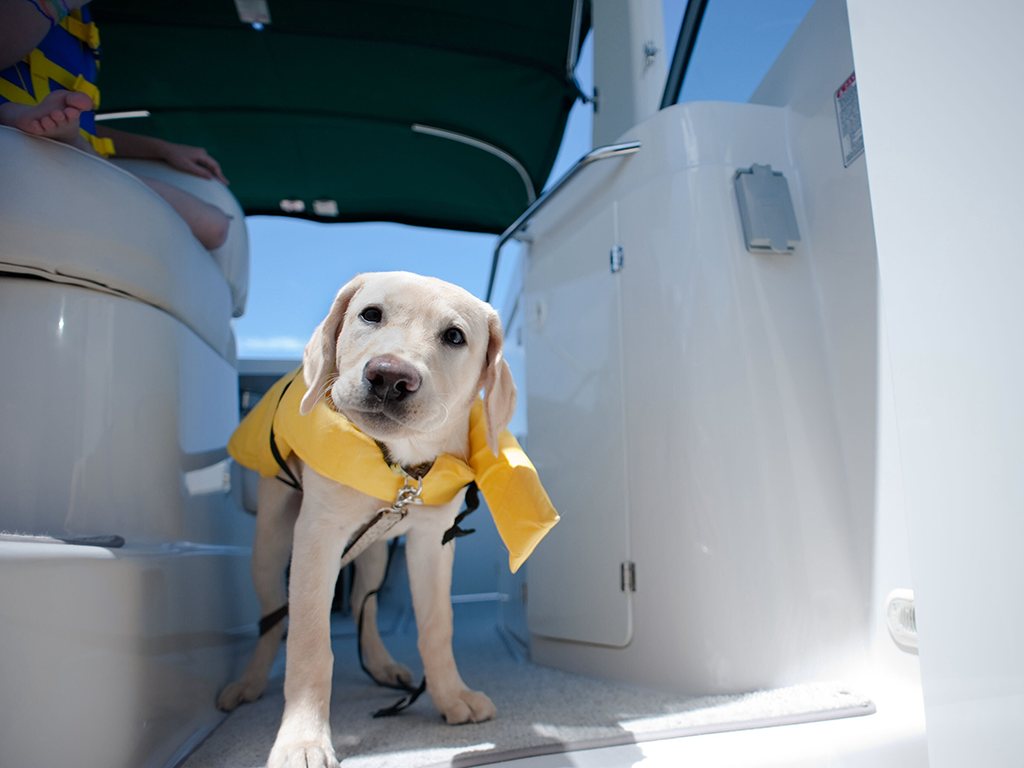
Drowning is a very real risk, even for breeds that are traditionally considered “natural swimmers.” A pet that falls overboard in the middle of a lake can quickly become disoriented or exhausted, especially if the water is choppy or there is a strong current. This is where a high-quality, well-fitted life jacket becomes non-negotiable. It should have a sturdy handle on the back, allowing you to lift your pet out of the water if necessary. It is a good idea to let your pet wear the vest at home first to get used to the sensation. When they are comfortable with the gear, they are less likely to panic if they actually end up in the water.
The Scorching Sun: Heatstroke and Paw Protection
Independence Day typically coincides with some of the hottest temperatures of the year. While we can sweat and jump in the water to cool down, dogs have a much harder time regulating their body temperature. They primarily cool down through panting and sweating through their paw pads. When you are out on a boat or a dock, there is often very little shade, and the reflection of the sun off the water can actually intensify the heat. Brachycephalic breeds (those with flat faces like Pugs or Bulldogs) are at an even higher risk because their respiratory systems are less efficient at cooling.
Symptoms of heatstroke include excessive panting, bright red gums, drooling, and lethargy. To keep your pet safe, you should be proactive in protecting your dog from heat-related illnesses by providing a shaded area on the boat and using cooling mats. Additionally, remember that boat decks and docks can reach blistering temperatures. If the surface is too hot for the back of your hand, it is too hot for their paws. Investing in proper paw maintenance for summer surfaces, such as dog boots or protective balms, can prevent painful burns and long-term damage.
Managing the Festive Food Hazard
A Fourth of July party isn’t complete without a spread of hot dogs, chips, and maybe a few cocktails. However, the confined space of a boat makes it easy for a curious nose to find trouble. Human foods like onions, garlic, grapes, and chocolate are toxic to dogs. Even seemingly harmless items like corn on the cob or skewers can cause intestinal blockages or punctures. Furthermore, keep an eye on your trash. Discarded bones or alcohol-soaked fruit can be life-threatening if ingested. Ensure everyone on the boat knows the “no scraps” rule to keep your pet’s digestive system safe.
The Finale: Navigating Fireworks Anxiety at the Lake
As evening falls and the fireworks begin, the very thing we celebrate becomes a source of terror for many animals. On a lake, the sound of fireworks is often amplified as it echoes across the water. Unlike at home, there are few places to hide on a boat. The flashing lights and booming sounds can trigger a flight response, leading to dogs jumping overboard in a desperate attempt to escape the noise. This is perhaps the most dangerous moment of the entire holiday.
If you know your pet struggles with loud noises, the best course of action is to keep them inside a quiet, air-conditioned cabin or, better yet, leave them at home in a secure environment. If they must be with you, consult your veterinarian beforehand about calming supplements or medications. It is crucial for owners to spend time recognizing the subtle signs of dog anxiety, such as trembling, pacing, or tucked tails, before the situation escalates. Playing soothing music or using a pressure wrap (like a Thundershirt) can provide some comfort, but being a calm, reassuring presence for your pet is the most effective tool in your kit.
People Also Ask (PAA) Section
Can dogs catch diseases from lake water?
Yes. Beyond blue-green algae, lakes can harbor parasites like Giardia and Leptospirosis. Giardia is an intestinal parasite that causes severe diarrhea and vomiting, while Leptospirosis is a bacterial infection that can lead to kidney or liver damage. Always rinse your pet after a swim and bring fresh water for them to drink to minimize these risks.
Do all dogs need a life jacket?
While some dogs are excellent swimmers, a life jacket is recommended for all dogs on a boat. Unexpected events, such as a boat accident or the dog becoming fatigued far from shore, can happen to any breed. A life jacket provides buoyancy and makes it much easier for you to spot and retrieve your pet in an emergency.
How can I tell if the dock is too hot for my dog’s paws?
Use the “five-second rule.” Place the back of your hand firmly against the dock or pavement. If you cannot comfortably hold it there for five seconds, it is too hot for your dog to walk on. In these cases, carry your pet or use protective dog shoes.
Expert Verdict and Key Takeaways
Celebrating Independence Day at the lake with your pet can be a bonding experience, but it requires a level of vigilance that matches the environment’s complexity. The lake is a dynamic setting where temperature, water quality, and noise levels can change rapidly. By treating your pet’s safety with the same seriousness you would a human child’s, you ensure the holiday remains a happy memory rather than a cautionary tale.
- Plan Ahead: Check water reports and weather forecasts before leaving the house.
- Gear Up: Invest in a high-quality life jacket and paw protection.
- Stay Hydrated: Always provide fresh water to prevent the ingestion of contaminated lake water.
- Manage the Noise: Have a plan for the fireworks, whether that means a quiet room or veterinarian-approved sedation.
- Watch the Heat: Be aware of the signs of heatstroke and provide ample shade.
Ultimately, the goal is to enjoy the festivities while respecting the limits of our animal companions. A safe pet is a happy pet, and a happy pet makes for a perfect holiday. Happy Fourth of July!


