Let’s be real: nobody adopts a cat because they have a burning passion for scooping litter boxes. In the grand hierarchy of pet ownership, the litter box is often viewed as the one unavoidable chore that stands between us and the pure joy of feline companionship. But here is the secret that professional behaviorists and seasoned cat parents know: when you nail the basics of litter box management, it doesn’t have to be a daily battle or a source of household tension. In fact, creating the ideal bathroom environment can be surprisingly simple. By focusing on your cat’s natural instincts, you provide them with a clean, cozy, and stress-free space, while you enjoy a fresher home and significantly fewer of those judging, side-eye glares from your feline roommate. It is time to transition from a ‘necessary evil’ mindset to a proactive approach that prioritizes health and sustainability.
The Psychology of the Litter Box: Why Basics Matter
To understand the perfect setup, we must first think like a cat. Your feline companion may not be picky about sleeping on your expensive laptop keyboard or a discarded cardboard box, but when it comes to their bathroom, they are incredibly discerning. In 2024, veterinary behaviorists have noted a significant rise in ‘avoidance behaviors’ linked directly to poor litter box conditions. This isn’t just about ‘finickiness’; it is about survival instincts. In the wild, elimination is a vulnerable moment for a cat. If the box feels cramped, dirty, or poorly placed, their instinctual stress levels skyrocket. This is why bigger is always better. You should view the litter box not as a piece of hidden furniture, but as a spacious retreat. A common rule of thumb used by experts is that the box should be at least 1.5 times the length of your cat from nose to base of tail. If they can’t turn around comfortably, the box is too small.
When choosing between covered and uncovered boxes, the debate continues among pet parents. While humans often prefer the aesthetic of a covered box to hide the contents, many cats feel trapped or ‘cornered’ inside one. However, some cats do prefer the privacy. The best approach? Provide options and let your cat decide. If you have multiple cats, the golden rule remains the n+1 rule: one litter box per cat, plus one extra. In 2024, data from pet behavior clinics shows that the majority of ‘accidents’ in multi-cat households could have been prevented simply by adding an additional box in a separate location.
The ökocat® Revolution: Why Natural Wood Beats Traditional Clay
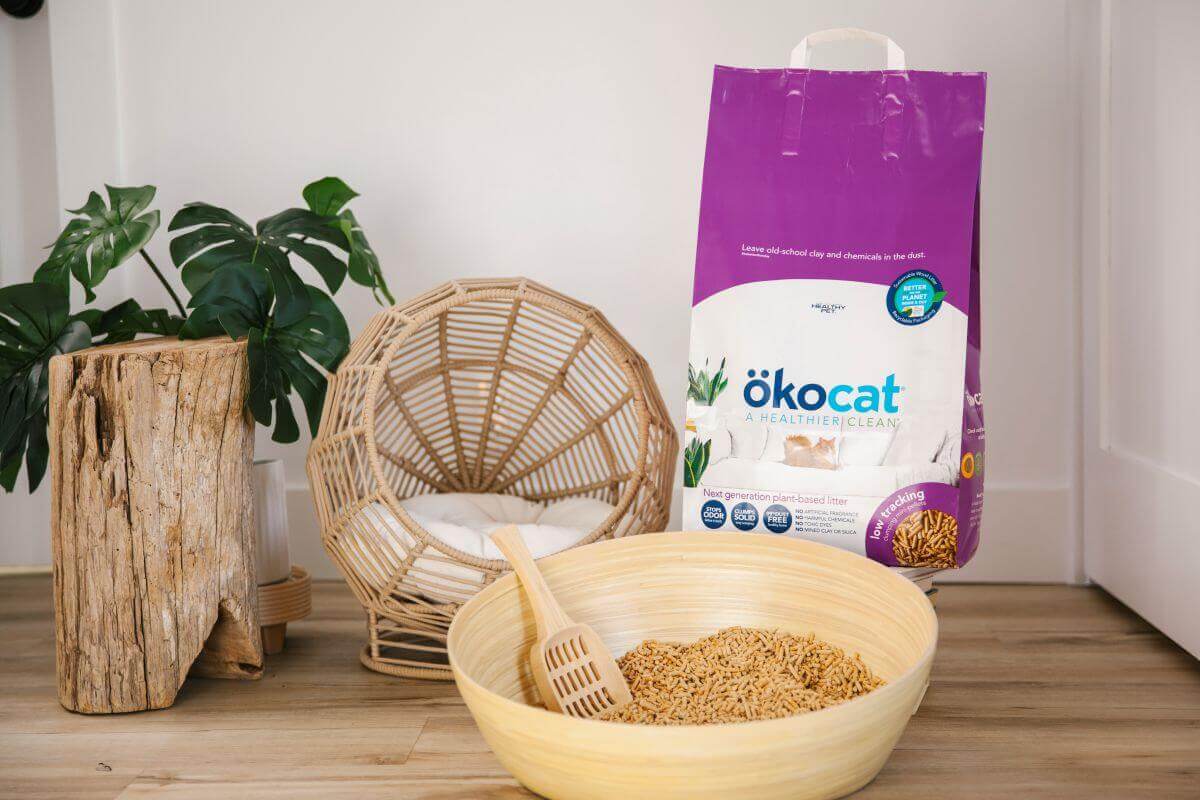
The foundation of any great litter box is the litter itself. This is where ökocat® natural litter truly shines. For decades, the industry standard was heavy, dusty, sodium bentonite clay. However, as we move through 2024, the shift toward sustainable pet care is more than just a trend—it’s a movement. Unlike clay, which is often strip-mined and filled with artificial fragrances that can irritate a cat’s sensitive respiratory system, ökocat is wood-based and ecologically responsible. This litter doesn’t just sit there; it performs. It locks in odors naturally by utilizing the inherent properties of wood fibers to absorb liquid and trap ammonia scents before they can escape into your living room.
Furthermore, ökocat is 99% dust-free. This is a crucial health factor for both you and your pet. Traditional clay litters can leave a fine silt on your furniture and, more importantly, in your cat’s lungs. For cats with feline asthma or owners with allergies, switching to a clean wood-based substrate is a game-changer. The texture of ökocat is also gentle on paws. Imagine the difference between walking on sharp, jagged gravel versus a soft forest floor. Your cat’s paw pads are highly sensitive; providing a comfortable surface encourages consistent box use and reduces tracking throughout the house.
Location, Location, Location: Strategic Placement for Success
Where you place the box is just as important as what is inside it. Cats are clean freaks by nature and possess a highly developed sense of smell. Placing a litter box next to their food and water bowl is a recipe for disaster—it goes against their biological drive to keep waste far from their nutrition sources. You should also avoid high-traffic areas or places with sudden, loud noises. A laundry room might seem convenient, but the sudden roar of a washing machine’s spin cycle can create ‘bathroom anxiety’ that leads to avoidance.
Instead, look for quiet, accessible corners that offer a clear line of sight. Cats like to see who is approaching while they are in the box. If you live in a multi-level home, ensure there is at least one box on every floor. As cats age, navigating stairs just to use the restroom can become a painful deterrent. By placing the box in a low-traffic, quiet zone, you are respecting your cat’s need for security and peace.
Maintenance and the ‘2-3 Inch’ Rule
How much litter is enough? Many owners either skimp to save money or fill the box to the brim. The ‘sweet spot’ for ökocat natural litter is consistently 2 to 3 inches deep. Cats are instinctual diggers and coverers. If the litter is too shallow, they cannot effectively hide their waste, which increases odor and stress. If it is too deep, it feels unstable under their feet, much like walking on a sand dune. By maintaining this depth, you allow the clumping action of ökocat to work effectively, making scooping a breeze.
Your maintenance routine should be disciplined but simple: scoop daily. Because ökocat absorbs so efficiently, the rest of the litter stays cleaner for longer. You should top off the box weekly to maintain that 3-inch depth and perform a complete swap and scrub-down every 4 to 6 weeks. Interestingly, 2024 consumer reviews indicate that ökocat users find they perform full cleanouts less frequently than clay users because the natural wood fibers don’t ‘sour’ as quickly as mineral-based litters.
Expert Review: The Ecological and Health Verdict
From a sustainability standpoint, the verdict is clear. According to recent environmental impact reports in the pet industry, millions of tons of clay litter end up in landfills annually, where they do not biodegrade. In contrast, ökocat is plant-based and biodegradable. Many professional pet sitters and veterinarians are now recommending wood-based litters not just for their eco-credentials, but for their superior odor control without the use of toxic chemicals or synthetic ‘fresh scent’ perfumes which merely mask odors rather than neutralizing them.
Frequently Asked Questions (FAQ)
- How do I transition my cat to ökocat from clay? The best method is the ‘gradual mix.’ Start by replacing 25% of their old litter with ökocat, and slowly increase the ratio over 7-10 days until the transition is complete.
- Is ökocat safe for kittens? Yes! Because it is natural and virtually dust-free, it is an excellent choice for curious kittens who might try to nibble on their litter or who have sensitive developing lungs.
- Does wood litter track more than clay? Actually, ökocat is designed to minimize tracking. While no litter is 100% track-free, the larger, lighter fibers are less likely to stick to fur and paw pads than heavy clay dust.
- Can I flush ökocat? While ökocat is made from natural wood, you should always check your local regulations and plumbing age before flushing any litter. It is best to compost (non-fecal waste) or dispose of it in the trash.
- Why does my cat dig excessively in the box? This is often a sign of a very clean cat or a cat that feels the litter depth is insufficient. Ensure you have the recommended 3 inches of ökocat to satisfy their instinctual digging.
Conclusion: A Happier Home Starts in the Box
At the end of the day, our cats don’t ask for much: a warm spot to sleep, a consistent meal schedule, and a bathroom that doesn’t make them cringe. By returning to the basics and choosing a high-quality, natural solution like ökocat®, you are investing in your cat’s long-term health and your own household’s comfort. A well-maintained, properly placed, and naturally sourced litter box creates a harmonious environment where both you and your feline friend can breathe easier. Remember: a happy litter box leads to a happy cat, and a happy cat makes for a much happier home.


