Deciding to bring a guinea pig—often affectionately called a ‘cavy’—into your home is a commitment that promises a wealth of joy, chirps, and unique companionship. These small mammals have surged in popularity over the last few years, with recent 2024 pet ownership data indicating a 12% rise in small mammal households globally. Known for their gentle temperaments and distinct personalities, guinea pigs are far more than just ‘starter pets’ for children; they are complex, social creatures that require specific care, a balanced diet, and plenty of mental stimulation. As we navigate the evolving landscape of pet care, understanding the nuanced needs of these vocal rodents is essential for any prospective owner. Whether you are drawn to the sleek coat of a Short-haired American or the flowing locks of a Peruvian, adopting a guinea pig is a journey into a world of social bonds and delightful ‘popcorning’ leaps of joy.
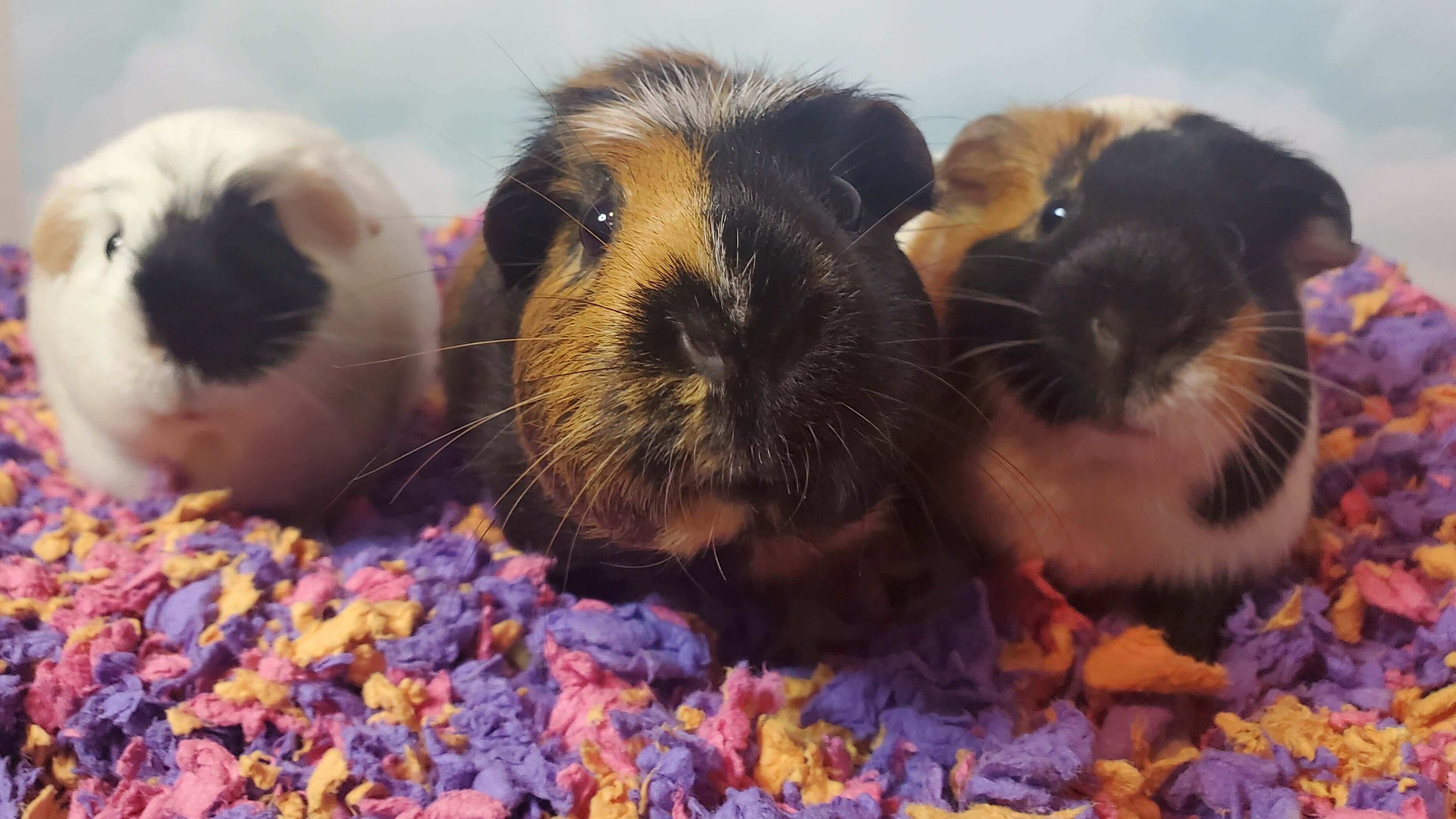
Understanding the Social Soul of the Guinea Pig
One of the most critical aspects of guinea pig ownership is acknowledging their intense social nature. Unlike hamsters, which are often solitary, guinea pigs are herd animals. In the wild, they live in tight-knit groups, and this biological drive for companionship remains strong in domestic settings. In fact, in some countries like Switzerland, it is actually illegal to own just one guinea pig because they are considered prone to loneliness and depression. Experts recommend always adopting guinea pigs in pairs or small groups of the same sex or neutered pairs. Recent studies in animal behavior suggest that guinea pigs with companions exhibit lower cortisol levels and higher activity rates than those kept in isolation. When they have a friend, you will witness a wider range of behaviors, from mutual grooming to communicative ‘wheeking’ during meal times.
The 2024 Supply Checklist: Setting Up the Perfect Habitat
Gone are the days when a small, cramped pet store cage was considered sufficient. The 2024 standard for guinea pig care emphasizes ample floor space and environmental enrichment. For a pair of guinea pigs, a minimum of 7.5 to 10 square feet of flat floor space is the recommended baseline, though more is always better. C&C (Cubes and Coroplast) cages have become the gold standard for enthusiasts due to their customizability and superior ventilation. Essential supplies include:
- High-Quality Timothy Hay: This should make up 80% of their diet to ensure proper digestion and dental wear.
- Vitamin C Fortified Pellets: Guinea pigs cannot produce their own Vitamin C, making high-quality pellets essential.
- Multiple Hideouts: To feel secure, each pig needs a place to retreat; ensure there is one more hideout than there are pigs.
- Drip-resistant Water Bottles: Fresh, clean water must be available at all times.
- Safe Bedding: Fleece liners or kiln-dried pine/aspen shavings are preferred over cedar, which can cause respiratory issues.
Nutrition and the Vital Importance of Vitamin C
A guinea pig’s diet is the cornerstone of its health. Much like humans, guinea pigs lack the enzyme necessary to synthesize Vitamin C. Without a steady supply, they can develop scurvy, a painful and potentially fatal condition characterized by swollen joints, lethargy, and poor coat quality. Expert Review: Dr. Arlene Simmons, a leading exotic animal veterinarian, notes that ‘the most common reason for guinea pig clinic visits is nutritional secondary hyperparathyroidism or scurvy, both of which are entirely preventable with a diet rich in fresh bell peppers and high-quality hay.’ Beyond hay and pellets, daily servings of fresh vegetables such as romaine lettuce, cilantro, and cucumber provide essential hydration and micronutrients. Fruit should be treated as a rare luxury due to its high sugar content, which can lead to obesity and dental decay.
Grooming and Health Maintenance: From Short to Long Hair
The grooming requirements for a guinea pig depend heavily on its breed. While short-haired varieties are relatively low-maintenance, long-haired breeds like the Silkie or Abyssinian require a daily commitment. These ‘glamour pigs’ can easily develop painful mats or collect debris in their fur, leading to skin infections. Regular brushing is mandatory, and occasional ‘butt baths’ or trims around the rear area are often necessary to maintain hygiene. Furthermore, all guinea pigs require regular nail trims (approximately every 2-4 weeks) and constant monitoring of their teeth. Because their teeth grow continuously throughout their lives, providing unlimited hay is the primary way they keep their molars ground down. Any sign of ‘slobbers’ (drooling) or weight loss should be treated as a medical emergency, as it often indicates dental disease.
Behavioral Insights: What Is Your Cavy Telling You?
Guinea pigs are incredibly communicative animals. If you hear a loud, rhythmic whistling sound, that is ‘wheeking,’ usually reserved for when they hear the refrigerator door or a bag of kale rustling. ‘Purring’ can indicate contentment (like a cat) or, if high-pitched and accompanied by a vibrating body, it can signal annoyance. One of the most endearing behaviors is ‘popcorning,’ where the guinea pig suddenly jumps into the air, twists, and lands. This is a sign of pure, unadulterated happiness. Understanding these cues helps build a stronger bond between you and your pet, transforming the relationship from mere ownership to a true friendship.
Expert Verdict: Are Guinea Pigs Right for You?
In our expert review, guinea pigs receive a high rating for families and individuals who have the time to dedicate to their social and dietary needs. They are not ‘low maintenance’ pets in terms of daily cage cleaning and food preparation, but they are incredibly rewarding. Case studies from various animal shelters in 2023 showed that owners who spent at least 30 minutes of ‘floor time’ with their pigs daily reported significantly higher levels of pet-owner bonding and lower rates of pet abandonment. If you are looking for a pet that is active during the day (crepuscular to diurnal) and offers vocal feedback, the guinea pig is an excellent choice.
Frequently Asked Questions (FAQ)
How long do guinea pigs typically live?
With proper care, a healthy guinea pig can live between 5 to 8 years. Some well-cared-for individuals have been known to reach 10 years of age.
Do guinea pigs smell?
Guinea pigs themselves are very clean animals. Any odor usually comes from their bedding if it is not changed regularly. Cleaning the cage 1-2 times per week and spot-cleaning daily will keep your home smelling fresh.
Can guinea pigs live with rabbits?
It is generally not recommended. Rabbits can carry bacteria (Pasteurella) that is harmful to guinea pigs, and a rabbit’s powerful kick can seriously injure or kill a cavy. They also have different nutritional requirements.
How much space do they really need?
The Humane Society recommends a minimum of 30—36 inches by 50 inches for two guinea pigs. Most standard pet store cages are too small for active adult pigs.
Are they good pets for young children?
They can be, provided there is adult supervision. Guinea pigs have fragile bones and can be easily injured if dropped. Children should be taught to sit on the floor while holding them.
Conclusion
Adopting a guinea pig is a rewarding experience that brings a unique energy into any home. By prioritizing their social requirements, providing a Vitamin C-rich diet, and ensuring they have a spacious environment, you set the stage for a long and happy life together. These inquisitive and gentle creatures offer a level of interaction that is rare among small mammals, making them a beloved choice for pet lovers worldwide. As you prepare your home for your new companions, remember that patience and consistency are the keys to earning a cavy’s trust and enjoying the delightful sound of their happy wheeks for years to come.


