Known affectionately in the feline world as a ‘brick wrapped in silk,’ the Burmese cat is a breed that defies expectations. At first glance, you see a medium-sized, elegant cat with a coat that shimmers like satin. However, once you pick one up, you are immediately struck by their surprising weight and muscular build. These cats are not just beautiful to look at; they are among the most socially oriented and emotionally intelligent companions in the animal kingdom. Originating from the ancient temples of Burma (now Myanmar) and refined in the United States, the Burmese has transitioned from a sacred companion to a beloved family staple. Whether they are performing acrobatic feats as kittens or settling into their role as a devoted ‘velcro’ lap-cat in adulthood, the Burmese offers a unique blend of athleticism and affection that few other breeds can match.
The Fascinating Origin of the Burmese
The history of the Burmese cat is a tale of international travel and genetic discovery. While cats with similar features were documented in Thailand and Burma for centuries, the modern Burmese breed began with a single female cat named Wong Mau. In 1930, Dr. Joseph Thompson brought Wong Mau from Rangoon to San Francisco. Initially, many thought she was simply a dark Siamese, but Dr. Thompson, through a rigorous breeding program, proved that she represented a distinct breed. This breakthrough led to the formal recognition of the Burmese by the Cat Fanciers’ Association (CFA) in 1936.
In the decades since, the breed has diverged into two main types: the American Burmese, which features a sturdier, rounder head and muzzle, and the European Burmese, which maintains a slightly more elegant, wedge-shaped head. Regardless of the regional style, the core temperament remains the same—a cat that is deeply integrated into the lives of its human family. By 2024, the Burmese remains one of the most sought-after pedigreed cats for families living in urban environments due to their adaptable and social nature.
Physical Characteristics: A Study in Elegance and Power
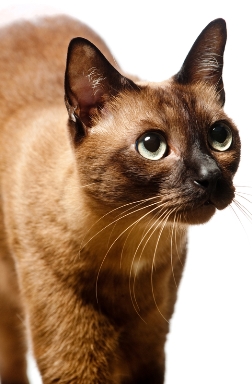
As previously mentioned, the weight of a Burmese cat—typically ranging between 8 to 13 pounds—often surprises people. They are exceptionally muscular and heavy for their size. Their heads are pleasingly rounded, complemented by short-to-medium length muzzles and ears that are rounded at the tips. Their eyes are perhaps their most striking feature: large, expressive, and usually ranging from a luminous yellow to a deep, warm gold.
The coat is the true hallmark of the breed. It is very short, lying close to the body with a texture that is remarkably soft and glossy. When it comes to color, the traditional Sable (a rich espresso brown) is the most iconic. However, the breed also comes in several other stunning dilute colors:
- Champagne: A warm honey-beige.
- Blue: A soft medium-gray with warm fawn undertones.
- Platinum (or Lilac): A pale silvery-gray with a distinct pinkish cast.
- Frost: A delicate, near-white variation often found in European lines.
Personality: The Famous ‘Velcro’ Kitty
If you are looking for an independent cat that prefers to be left alone, the Burmese is not for you. These are deeply social creatures that thrive on human interaction. They are often called ‘velcro cats’ because they will follow you from room to room, supervising your chores and demanding a spot on your lap the moment you sit down. Their intelligence is high; many owners report that their Burmese cats learn to fetch, open doors, and even respond to complex verbal cues.
Because of their high emotional intelligence, Burmese cats are frequently cited in studies regarding pet ownership and mental health. Their consistent presence and vocal affirmations provide significant comfort to their owners. For more on how our feline friends impact our well-being, you can read about how is your pet good for your mental health according to recent scientific findings. This breed’s extroverted personality makes them excellent companions for children and even other pets, including dogs, provided they are introduced properly.
Health Trends and Longevity in 2024
The Burmese is generally a hardy breed with a lifespan often reaching 15 to 18 years, and in some cases, even surpassing 20. However, like all pedigreed animals, they are predisposed to certain genetic conditions. According to 2024 veterinary data, the most common issues observed in Burmese lines include:
- Hypokalemia: A condition characterized by low blood potassium levels, which can lead to muscle weakness. This is often managed with dietary supplements.
- Diabetes Mellitus: Burmese cats have a higher genetic predisposition to diabetes compared to other breeds, making weight management and high-protein diets essential.
- Craniofacial Defects: Occasionally seen in certain American lines, though reputable breeders have worked hard to minimize this through genetic testing.
- Corneal Dermoid: A condition where skin or hair grows on the surface of the eye, requiring surgical correction.
Given these potential risks, many owners opt for comprehensive pet insurance. Proactive care is vital for ensuring longevity. Implementing purr-fectly well strategies for supporting cat wellness, such as routine dental cleanings and senior blood panels, can help catch these issues early. Furthermore, because they are so food-motivated, obesity is a common concern. Owners must be diligent about calorie intake and avoid overfeeding treats.
Grooming and Living Requirements
One of the greatest advantages of the Burmese cat is their low-maintenance grooming routine. Their short, satin-like coat produces very little dander and minimal shedding. A weekly brushing with a rubber curry comb is usually sufficient to remove dead hair and distribute skin oils, keeping their coat shimmering. Unlike some long-haired breeds, they rarely require baths, although they generally tolerate handling quite well.
Regarding their environment, the Burmese is strictly an indoor cat. Their trusting nature and lack of survivalist aggression make them vulnerable to predators, traffic, and diseases found outdoors. Inside the home, they require vertical space. Investing in cat trees and interactive toys is crucial to prevent boredom. Because they are so focused on their litter box habits, choosing the right substrate is another key consideration. You can find detailed advice on how to choose the right litter for your cat to ensure your Burmese remains comfortable and clean.
Expert Verdict: Is the Burmese Right for You?
Veterinarians and animal behaviorists often recommend the Burmese for active households where someone is home most of the day. They are the ‘extroverts’ of the cat world. If you work long hours and the cat will be alone, it is highly recommended to adopt them in pairs so they have a constant companion. They are patient with children and possess a playful streak that lasts well into their senior years. If you desire a quiet, background pet, the vocal and demanding Burmese may be overwhelming. But if you want a soulmate in feline form, there is no better choice.
Frequently Asked Questions
Are Burmese cats hypoallergenic?
No, Burmese cats are not hypoallergenic. While they have short hair and shed less than many other breeds, they still produce the Fel d 1 protein in their saliva and skin, which is the primary cause of cat allergies.
Do they get along with dogs?
Yes! Burmese cats are often described as ‘dog-like’ themselves. They are confident and social, which usually allows them to form strong bonds with cat-friendly dogs.
How much exercise do they need?
They are very active, especially in their youth. Daily play sessions with feather wands or laser pointers are necessary to burn off energy. They also love puzzle feeders that challenge their intellect.
Why are they called ‘bricks wrapped in silk’?
This is a traditional breeder’s term referring to their surprising weight. Because they are so muscular and dense, they feel much heavier than they look when you pick them up.
Conclusion
The Burmese cat is a masterpiece of nature and selective breeding—a companion that offers the loyalty of a dog with the refined elegance of a feline. From their ancient roots in Rangoon to their status as a modern-day family favorite, they have proven that personality is just as important as appearance. By understanding their social needs, monitoring their health, and providing a stimulating indoor environment, you can enjoy nearly two decades of unparalleled companionship. The Burmese doesn’t just live in your house; they live in your heart, demanding to be the center of your world and rewarding you with a level of affection that is truly legendary.


