Cats have long been considered the most enigmatic of household companions. As Jim Davis, the creator of the iconic Garfield, once observed, cats seem to have the courage to live by their deepest urges, often manifesting as a fierce and puzzling independence. To the uninitiated, a cat’s behavior can seem erratic or even aloof, but to a seasoned feline enthusiast, every flick of the tail and every rhythmic purr is a piece of a complex communication puzzle. Understanding these behaviors is not just about satisfying curiosity; it is essential for fostering a harmonious home. Whether your companion is engaging in excessive grooming, destructive scratching, or midnight “zoomies,” these actions are rooted in deep-seated instincts. By decoding these signals, we can differentiate between a happy pet and one that might be signaling a medical emergency.
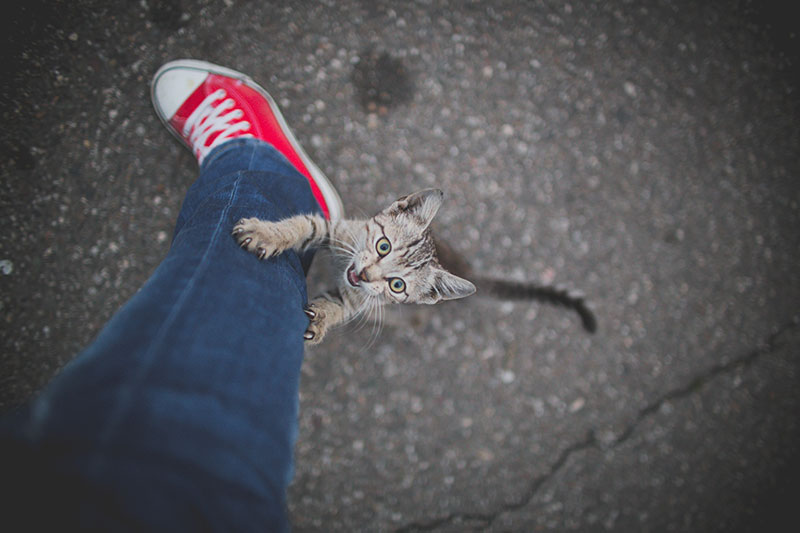
The Spectrum of “Normal” in Feline Personalities
One of the most important lessons for any cat owner is that there is no singular definition of “normal.” Cats, much like humans, possess distinct personalities shaped by genetics, early socialization, and their environment. While 2024 studies in feline ethology suggest that certain traits are universal, the expression of those traits varies wildly. For instance, while most cats enjoy climbing, a shy cat may seek the highest shelf to hide, whereas a confident cat uses it as a tactical vantage point to survey their kingdom. Establishing a baseline for your specific pet is crucial. By knowing what is typical for your cat, you are better equipped to identify subtle shifts that could indicate underlying health issues or stress.
The Science and Mystery of the Purr
For decades, we viewed the purr as a simple “smile” in sound form. However, recent veterinary data suggests that the purr is a multi-functional tool. While cats certainly purr when content—such as when they are curled up on your lap or basking in a sunbeam—they also use it as a self-healing mechanism. Research has shown that the frequency of a cat’s purr (between 25 and 150 Hertz) can actually improve bone density and promote tissue regeneration. This explains why cats may purr when they are injured, stressed, or even in labor. If your cat begins purring in unusual contexts, especially if accompanied by lethargy or a lack of appetite, it is time for a veterinary consultation. Unusual vocalizations can sometimes be a sign of cognitive changes in aging cats, necessitating a professional evaluation.
Grooming: More Than Just Hygiene
A healthy cat is a clean cat, and many felines spend upwards of 50% of their waking hours grooming themselves. This meticulous behavior serves several purposes: it removes parasites, spreads natural oils across the coat, and provides a cooling effect through saliva evaporation. In colder months, the saliva also acts as an insulator to help regulate body temperature. However, grooming can quickly cross the line into a behavioral issue known as psychogenic alopecia—compulsive over-grooming. This is often a response to stress or environmental changes. If you notice your cat focusing excessively on one area or if bald patches appear, it could be a sign of skin allergies or anxiety.
The “Kneading” Instinct: Why Cats Make Biscuits
Perhaps the most endearing feline behavior is kneading, often referred to as “making biscuits.” This rhythmic pushing of the paws against a soft surface is a behavior carried over from kittenhood, where it was used to stimulate milk flow from the mother. As adults, cats continue this behavior when they feel safe and extremely content. Furthermore, because cats have scent glands in their paw pads, kneading serves as a way to mark their territory with their unique pheromones. If your cat’s kneading becomes painful due to sharp claws, experts recommend keeping their nails trimmed rather than discouraging the behavior, as it is a vital emotional outlet for them.
Vertical Territory and the Need to Climb
In the wild, cats are both predators and prey. This duality has hardwired them to seek high ground. A high perch provides a 360-degree view of their environment, allowing them to spot potential threats or prey from a safe distance. In a multi-cat household, the “alpha” or most confident cat will typically claim the highest spot in the room. To keep your cat happy and prevent them from climbing on precarious surfaces like refrigerators or thin shelves, it is essential to provide sturdy cat trees or wall-mounted perches. This environmental enrichment is a key factor in reducing household stress and preventing inter-cat aggression.
Scratching, Burying, and Litter Box Habits
Scratching is an essential physical and psychological need. It allows cats to shed the outer husks of their claws and mark their territory both visually and through scent. To protect your furniture, you must provide variety—horizontal and vertical scratching posts with different textures like sisal or cardboard. Similarly, the instinct to bury waste is a survival tactic to hide their presence from larger predators. If your cat stops using the litter box, it is rarely out of spite; it is usually a sign of a medical issue like a urinary tract infection or dissatisfaction with the litter type. When selecting the right litter for your feline, consider scent, texture, and dust levels to ensure they feel comfortable and safe in their private space.
The Social Bond and Communication
Contrary to the myth of the “lonely hunter,” cats are highly social creatures that form deep bonds with their human families. Scientific studies have highlighted the mental health benefits of pet ownership, noting that the interaction between a human and a cat can lower blood pressure and reduce cortisol levels in both species. Socialization starts early; the window between 2 and 7 weeks of age is critical for kittens to learn how to interact with others. Adult cats communicate through a variety of meows, chirrups, and body positions. Interestingly, adult cats rarely meow at each other; they have developed the “meow” specifically to communicate with humans, essentially training us to meet their needs.
Night-time Activity and Hunting Play
Many owners are familiar with the 3:00 AM “zoomies.” While often described as nocturnal, cats are actually crepuscular, meaning they are most active at dawn and dusk. Their high energy at night is a remnant of their ancestral hunting patterns. You can modify this behavior by engaging in a high-intensity play session shortly before your bedtime, followed by a meal. This mimics the “hunt-eat-groom-sleep” cycle and helps synchronize their internal clock with yours.
Expert Review: The Verdict on Feline Behavior
The consensus among veterinary behaviorists in 2024 is that most “bad” cat behaviors are simply natural instincts expressed in an inappropriate environment. To manage these effectively, owners must use positive reinforcement and environmental modification rather than punishment. Punishment only serves to damage the bond of trust and increase feline anxiety. A happy cat is one whose instincts are respected and whose health is monitored through regular veterinary checkups and comprehensive pet insurance to mitigate the costs of unexpected behavioral or physical illnesses.
Frequently Asked Questions (FAQ)
- Why does my cat suddenly run across the room for no reason? This is often called the “zoomies” or Frenetic Random Activity Periods (FRAPs). It is a way for cats to burn off pent-up energy, especially if they have been sedentary all day.
- What does it mean when my cat shows me their belly? This is a sign of extreme trust. However, it is not always an invitation for a belly rub! For many cats, it is a defensive posture where all four sets of claws are ready for action.
- Why do cats knock things off tables? This is a mix of play and predatory instinct. They are testing the object to see if it moves (like prey) and are often curious about the noise and your subsequent reaction.
- Is it true that cats only meow at humans? Mostly, yes. While kittens meow to their mothers, adult cats primarily use vocalizations like hissing or yowling with other cats, reserving the meow as a tool for human interaction.
- How can I tell if my cat is aggressive or just playing? During play, cats usually keep their claws retracted and their ears forward. Aggression involves flattened ears, dilated pupils, hissing, and a stiffened body posture.
Conclusion
Understanding cat behavior is a journey of patience and observation. By recognizing that their actions—from the rhythmic kneading of your sweater to the high-altitude surveying of the living room—are expressions of their natural heritage, you can build a relationship based on mutual respect. Always remember that a sudden change in behavior is the most significant indicator of a health problem. Stay proactive, provide a stimulating environment, and enjoy the unique, rewarding companionship that only a cat can provide.


