For many cat owners, the simple act of petting a feline friend is a therapeutic ritual that reduces stress and strengthens the human-animal bond. However, any seasoned cat lover knows that feline affection is a double-edged sword; one moment your pet is purring in ecstasy, and the next, they may deliver a sharp nip or a sudden swat. Understanding where and how to touch your cat isn’t just about being friendly—it is about respecting their complex biological systems and social hierarchies. Unlike dogs, who often enjoy a vigorous whole-body scrub, cats are far more selective about their physical interactions. Their preferences are deeply rooted in their evolutionary history as both solitary hunters and territorial creatures. By mastering the art of feline touch, you can transform a tense encounter into a deeply rewarding experience for both you and your companion.
The Biological Basis of Feline Petting
To understand why cats prefer certain spots, we must first look at their scent glands. Cats communicate largely through pheromones—chemical signals that convey information about identity, mood, and territory. The areas where cats most enjoy being petted are typically the same locations where their scent glands are most concentrated. When you stroke these areas, you are effectively helping the cat spread their scent onto you, which they perceive as a form of social bonding and territorial marking. Recent behavioral studies in 2023 and 2024 suggest that this “allogrooming” behavior (grooming others) is a sign of high trust and social cohesion in multi-cat households. By focusing on these specific zones, you are speaking your cat’s language and reinforcing that you are a safe, trusted member of their family unit.
1. The Chin: The Ultimate Sweet Spot
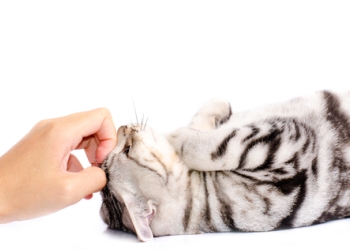
If there is one universal “green light” for petting a cat, it is the area directly under the chin. This spot is home to a high density of sebaceous glands. When a cat rubs their chin against furniture or your hand—a behavior known as bunting—they are depositing their unique scent to mark their territory. Most cats will instinctively tilt their head back and close their eyes when you gently scratch this area. To do this correctly, use one or two fingers to apply light pressure in a circular motion. It is virtually impossible to overstimulate a cat by petting their chin, making it the safest starting point for a new or nervous feline. According to expert reviews from veterinary behaviorists, the chin is often the most socially acceptable place for a cat to be touched by a stranger, as it allows the cat to maintain eye contact and monitor the human’s movements.
2. The Cheeks and Whiskers (With Caution)
Just behind the whiskers and along the jawline lies another favorite zone. Cats possess perioral glands in these areas that release comforting pheromones. You may notice your cat leaning their face into your hand or using their cheek to “push” against you. This is a profound sign of affection. However, it is vital to be mindful of their whiskers. Whiskers are highly sensitive tactile hairs (vibrissae) that are deeply embedded in the nervous system. Avoid pulling or roughly rubbing the whiskers themselves, as this can cause “whisker fatigue” or sensory overload. Instead, focus on the skin of the cheek just behind the whisker pads. Mastering the art of cat communication will help you recognize when a cat is inviting this facial contact versus when they are feeling defensive.
3. The Base of the Ears
The area between and behind the ears is another high-priority zone for feline pleasure. This region is difficult for cats to reach themselves during self-grooming, so they often appreciate human assistance. Like the chin and cheeks, the base of the ears contains scent glands. Using your fingertips to gently rub the area where the ear meets the skull is often met with deep purring. Some cats even enjoy a very light tug on the ear leather, though this varies significantly by individual. Because this area is so close to the brain and sensitive nerves, ensure your movements are slow and deliberate. If you notice your cat’s ears twitching or rotating sideways (often called “airplane ears”), it is time to stop, as this is a clear indicator of growing irritation.
4. The Base of the Tail
The area where the tail meets the back—the lower spine—is a polarizing but often beloved spot. Many cats will lift their rear ends high in the air when you scratch this area, a reflex known as “elevator butt.” This spot is densely packed with nerves and scent glands. For many felines, this is the most pleasurable spot to be petted; however, it is also the easiest spot to overstimulate. Because the nerve endings here are so sensitive, a cat can go from pure bliss to “petting-induced aggression” in a matter of seconds. Keep the pressure light and the duration short until you know your cat’s specific threshold. Maintaining purr-fectly well strategies for cat wellness includes learning these physical boundaries to prevent unnecessary stress in your pet’s life.
The Danger Zones: Where to Avoid
While understanding where to pet is crucial, knowing where not to pet is perhaps even more important for your safety. The most common mistake owners make is attempting to rub a cat’s belly. While a cat lying on its back may look like an invitation for a tummy rub, it is often a display of trust or a defensive posture. In the wild, a cat’s belly is its most vulnerable spot, protecting vital organs. Touching it can trigger an ancient predatory reflex, leading the cat to “bunny kick” and bite your hand. Other sensitive areas include the paws and the tail itself. Most cats find contact with their feet highly intrusive and stressful. If your cat requires grooming or medical attention in these areas, you may need to learn specialized techniques, much like how to give your cat a bath safely without causing trauma.
Expert Verdict: The Golden Rule of Consent
The secret to a successful petting session lies in consent. Behavioral experts now recommend the “finger sniff” test. Before reaching out to pet a cat, extend a single finger toward their nose. If the cat sniffs your finger and rubs their face against it, they have granted permission. If they look away or move back, they are not in the mood for physical contact. Respecting these boundaries significantly reduces the risk of scratches and bites and builds a foundation of mutual respect. In a 2024 study on feline domesticity, cats that were given the choice to initiate and end petting sessions showed significantly lower levels of cortisol (stress hormone) compared to cats that were petted regardless of their signals.
Frequently Asked Questions (FAQ)
Why does my cat bite me after I’ve been petting them for a while?
This is known as petting-induced aggression or overstimulation. Cats have a limit to how much tactile input their nervous system can handle. When that limit is reached, the sensation of petting becomes uncomfortable or even painful, leading them to nip as a way to say, “Stop!”
Do all cats like being petted in the same places?
No. While the chin and ears are generally safe bets, every cat is an individual. Factors such as breed, history (especially for rescues), and personality play a huge role. For example, a Maine Coon might have different sensitivity levels compared to a Siamese.
Is it okay to pet a sleeping cat?
It is generally best to let sleeping cats lie. Startling a cat out of deep sleep can trigger a fight-or-flight response, potentially leading to an accidental scratch. If you must wake them, speak softly first to let them know you are there.
What does it mean when a cat purrs but swishes its tail?
This is a mixed signal. Purring doesn’t always mean happiness; it can also be a self-soothing mechanism when a cat is stressed. If the tail is swishing or thumping, it is a sign of agitation. You should stop petting immediately to prevent an aggressive reaction.
Conclusion
Petting your cat is a sophisticated form of communication that requires attention to detail and a willingness to listen to non-verbal cues. By focusing on the safe zones—the chin, cheeks, ears, and base of the tail—you honor your cat’s natural instincts and scent-marking behaviors. Remember that the quality of touch is always more important than the quantity. When you approach your cat with patience and respect for their personal space, you create a harmonious environment where affection can truly flourish. Keep your interactions brief, observe their body language closely, and always let your feline friend have the final say in when the petting session is over.


