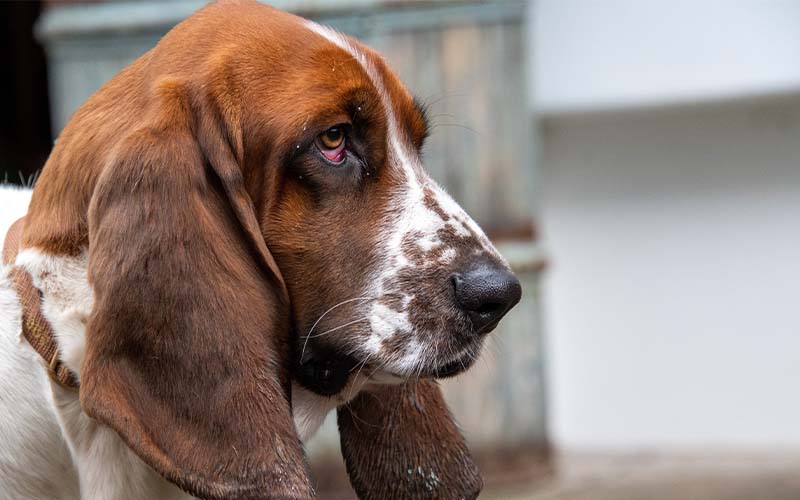
With their soulful, droopy eyes and ears that seem to have a mind of their own, the Basset Hound is perhaps one of the most iconic and easily recognized breeds in the canine kingdom. Often affectionately referred to as the ‘low rider’ of the dog world, this breed combines a heavy-set body with short, sturdy legs, creating a silhouette that is as charming as it is functional. Originally bred for the rigors of the hunt, today’s Basset Hound has transitioned into a beloved family companion, known for its laid-back attitude and gentle nature. While they may appear solemn, those who share their homes with a Basset know they are truly the clowns of the dog world, capable of inducing fits of laughter with a single expressive look or a perfectly timed, deep-chested howl. As we navigate 2024, the popularity of this breed continues to grow, driven by their adaptability and affectionate spirit.
The Historic Roots of the Basset Hound
The history of the Basset Hound is as deep and rich as its vocalizations. The breed traces its lineage back to 6th-century France and Belgium, where it is believed that Saint Hubert, the patron saint of hunters, played a pivotal role in its development. The goal was to create a scent hound that could move slowly enough for a hunter on foot to follow, yet possessed a nose powerful enough to track game through dense brush. By 1561, the St. Hubert Hound was recognized as a distinct type, and over generations, breeders refined the ‘Basset’ (derived from the French word ‘bas’, meaning low) into the dog we recognize today. The breed officially made its debut in the United States in 1883, quickly capturing the hearts of American dog enthusiasts and eventually being recognized by the American Kennel Club (AKC) in 1885. Historically, their primary quarry included rabbits and deer, where their low stature allowed them to navigate thickets where taller hounds could not go.
Understanding the Basset Hound’s Unique Physiology
Physically, the Basset Hound is a masterpiece of specialized breeding. Standing no more than 15 inches at the shoulder but weighing anywhere from 40 to 65 pounds, they are incredibly dense dogs. Their long, pendulous ears serve a critical purpose: as the dog moves with its head to the ground, the ears sweep along the earth, effectively stirring up scents and funneling them directly toward the dog’s powerful nose. Furthermore, the loose skin and wrinkles around their face and neck help trap those scent particles, allowing the Basset to track a trail that is hours or even days old. Their heavy bone structure and large paws provide stability, while their thick, short coat—often seen in bicolored or tricolored patterns like black, tan, and white—offers protection against briars and brush. Because of this specialized build, owners must be aware that Basset Hounds are not natural swimmers and their heavy front-end makes them prone to sinking; water safety is paramount.
Temperament and Living with a Scent Hound
The temperament of a Basset Hound is often described as ‘equable.’ They are notoriously patient and remarkably social, making them one of the best choices for multi-pet households and families with children. However, their high sociability comes with a vocal trade-off. Basset Hounds do not just bark; they bay and howl. This ‘singing’ is a hallmark of the breed but can be a point of contention for those living in close proximity to neighbors. In 2024, as urban living becomes more common, potential owners must consider whether they can manage a breed that might alert the entire building to a passing delivery truck. Despite their vocal nature, they are generally low-energy indoors. They are experts at the ‘couch potato’ lifestyle and will happily spend hours napping. To keep them mentally sharp and prevent boredom, it is essential to understand signs of depression in dogs that can occur if they are left alone for too long without stimulation or companionship.
Training and the Challenge of Independence
Training a Basset Hound requires a unique approach compared to more eager-to-please breeds like Labradors. Because they were bred to hunt independently and follow a scent trail without constant human intervention, Basset Hounds possess a significant ‘independent streak’—what many mistakenly call stubbornness. They are highly motivated by food, which makes positive reinforcement and treat-based training highly effective. However, they are easily distracted by their noses. If a Basset picks up a scent, their ‘selective hearing’ often kicks in. For this reason, off-leash exercise is generally discouraged unless in a securely fenced area. Consistency is key; short, engaging training sessions are far more productive than long, repetitive ones. Patience is the greatest tool in an owner’s arsenal, as a Basset will eventually learn, but they prefer to do so on their own timeline.
Health and Nutrition: A 2024 Perspective
Like many purebred dogs, Basset Hounds are prone to specific health issues that owners should monitor. Their long backs and short legs make them susceptible to Intervertebral Disc Disease (IVDD), and their deep chests put them at risk for Gastric Dilatation-Volvulus (GDV), or bloat, which is a life-threatening emergency. Obesity is perhaps the biggest threat to a Basset’s longevity; even a few extra pounds can put immense strain on their joints and spine. Recent 2024 veterinary data suggests that maintaining a lean body condition can extend a Basset’s life by up to two years. Nutrition plays a vital role in this, and owners should spend time decoding dog food labels to ensure they are providing high-quality protein without unnecessary fillers that lead to weight gain. Other common issues include ear infections due to poor air circulation in the ear canal and various eye conditions like ectropion (drooping eyelids).
Grooming and Maintenance Requirements
Do not be fooled by their short hair; Basset Hounds are prolific shedders. Their coats contain oils that produce a distinct ‘houndy’ odor, which some owners find charming and others find overwhelming. Weekly brushing is necessary to manage shedding and keep the skin healthy. Furthermore, their ears require a dedicated cleaning schedule. Because they drag on the ground and trap moisture, they are breeding grounds for bacteria and yeast. Wiping the ears weekly with a veterinarian-approved cleaner is a non-negotiable part of Basset ownership. Additionally, keeping their nails trimmed is vital; long nails can alter their gait and exacerbate joint issues. For those looking to keep their pet looking their best, following keeping your dog’s coat shiny and healthy can make a significant difference in the amount of hair found around the home.
Expert Review and Verdict
Expert Verdict: The Basset Hound is an exceptional companion for the right household. They are best suited for owners who appreciate a dog with a big personality and who don’t mind a bit of shedding and vocalization. They are not the right choice for marathon runners or those living in high-rise apartments with strict noise rules. However, for a family looking for a loyal, affectionate, and relatively low-energy dog that gets along with everyone, the Basset Hound is nearly impossible to beat. Their average lifespan of 12-13 years provides a long window of companionship, provided their weight and spinal health are managed carefully.
Frequently Asked Questions (FAQ)
- Do Basset Hounds shed a lot? Yes, they shed year-round. Regular brushing helps, but expect to find hair on your furniture and clothes.
- Are Basset Hounds good with kids? Exceptionally so. They are known for their patient and gentle nature with children of all ages.
- How much exercise do they need? While low energy, they need at least one or two moderate walks a day to prevent obesity and provide mental stimulation.
- Can Basset Hounds live in apartments? It is possible, but their loud howling can be a major issue for neighbors.
- How often should I clean their ears? At least once a week to prevent infections and remove debris picked up from the ground.
Conclusion
In conclusion, the Basset Hound remains a timeless favorite for a reason. Their unique blend of ancient hunting prowess and modern-day clownishness makes them a standout breed that brings immense joy to their owners. While they come with specific challenges—such as their independent nature, potential for ‘howling sessions,’ and specific health needs—the reward of a Basset’s loyalty is well worth the effort. By prioritizing proper nutrition, consistent training, and regular veterinary check-ups, you can ensure your ‘low rider’ enjoys a happy, healthy life as a cherished member of your family.


