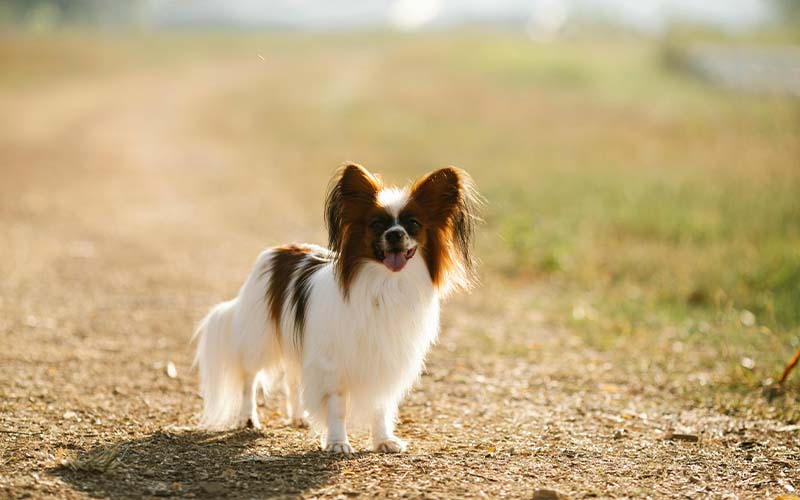
When you first encounter a Papillon, it is nearly impossible not to be immediately captivated by their most defining feature: those magnificent, wing-like ears. Named after the French word for ‘butterfly,’ the Papillon is a breed that seamlessly blends regal elegance with a surprisingly robust and athletic spirit. Despite their delicate appearance, these dogs are far more than just lap-warmers; they are among the most intelligent and capable of all toy breeds. For centuries, they have graced the laps of European royalty, but today they are increasingly popular as dynamic family companions. Whether you are looking for a competitive agility partner or a spirited friend to brighten your home, understanding the unique needs and vibrant history of this breed is the first step toward a rewarding lifelong bond.
The Royal History of the ‘Butterfly Dog’
The Papillon’s lineage is as rich as the velvet cushions they often slept on in the 16th century. Originally known as the ‘Dwarf Spaniel,’ this breed was a fixture in the royal courts of Europe, particularly in France and Belgium. Historical records and world-renowned art provide a glimpse into their past; Papillons frequently appeared in portraits by masters such as Rembrandt, Titian, and Rubens. These petite pooches were favored by noblewomen for their beauty and temperament, often serving as loyal confidants in a time of political intrigue.
By the late 19th century, the breed underwent a stylistic evolution. While the original dogs had drooping ears—now known as the ‘Phalène’ (moth) variety—the erect-eared version we recognize today became the standard preference. These Continental Toy Spaniels were bred specifically to be miniaturized versions of larger spaniels, retaining the athletic drive and biddable nature of their ancestors. This heritage explains why the Papillon, unlike many other toy breeds, possesses a distinct working-dog mindset that makes them exceptionally versatile in modern dog sports.
Physical Characteristics and the Butterfly Silhouette
Standing between 8 to 11 inches tall and weighing a mere 5 to 10 pounds, the Papillon is the epitome of a fine-boned, elegant toy breed. Their coat is one of their most stunning attributes—long, silky, and flowing without an undercoat, which makes them surprisingly easy to maintain compared to other long-haired breeds. The coat is typically white with patches of color, ranging from black and lemon to red and sable. A symmetrical white blaze on the face often enhances the ‘butterfly’ look of their ears.
While their diminutive size makes them highly portable, it is important to remember their physical limits. Because of their fine bones, they require specialized care. When creating a home environment for them, many owners look for dog beds that combine comfort and durability to protect their delicate joints and provide a safe space for their high-energy rest cycles. Despite their size, they carry themselves with a confident, dainty gait that reflects their noble origins.
Temperament: A Perpetual Puppy with a Big Brain
Perhaps the most endearing trait of the Papillon is their personality. They are often described as ‘perpetual puppies,’ maintaining a playful and gregarious outlook on life well into their senior years. Unlike some toy breeds that may be shy or aloof, Papillons are notoriously outgoing and friendly toward both family members and strangers. They thrive on human interaction and are known to be ‘velcro dogs,’ following their owners from room to room to ensure they don’t miss a single moment of activity.
However, this intense bond means they are prone to separation anxiety. If left alone for extended periods without mental stimulation, they can become distressed. It is crucial for owners to monitor their pets for emotional shifts; if you notice lethargy or a lack of interest in play, you should research the signs you must watch out for regarding canine depression. Keeping them engaged with puzzles and interactive toys is the best way to maintain their mental well-being.
Training and Intelligence: The Stanley Coren Standard
Do not let the ‘toy’ designation fool you—the Papillon is widely considered one of the smartest dog breeds in the world. In Stanley Coren’s famous ranking of canine intelligence, the Papillon consistently lands in the top ten, often sitting at number eight. This high IQ translates to a dog that is exceptionally biddable and eager to please. They excel in agility, obedience, and rally trials, often outperforming much larger breeds with their speed and precision.
Training a Papillon requires a light touch. They respond best to positive reinforcement and rewards-based methods. Harsh corrections can easily crush their spirited nature. Because they are so alert, they can be ‘vocal’ dogs, often barking to alert their owners of a visitor or a passing squirrel. Early socialization and consistent training are key to managing this trait, ensuring they become well-mannered members of the community rather than neighborhood nuisances.
Health, Longevity, and Daily Care
Papillons are remarkably healthy for their size, boasting an impressive lifespan of 14 to 16 years. However, like all purebreds, they are susceptible to specific genetic conditions. Potential owners should be aware of Patellar Luxation (kneecap dislocation) and Progressive Retinal Atrophy (PRA), which can affect vision. Routine veterinary check-ups and maintaining a lean body weight are essential for preventing strain on their small frames.
Grooming is surprisingly manageable. Because they lack a dense undercoat, Papillons do not mat as easily as other breeds. A thorough brushing once or twice a month—paying special attention to the ‘fringes’ behind the ears and on the legs—is usually sufficient. Their nails grow quickly and require frequent trimming to prevent discomfort. For those considering adding one to their family, the process of finding the perfect pup involves vetting breeders for health clearances or looking into breed-specific rescues that specialize in the Papillon’s unique needs.
Expert Verdict: Is the Papillon Right for You?
The Papillon is an extraordinary blend of beauty and brains. They are best suited for active individuals or families with older children who can respect their small size. While they adapt well to apartment living, their energy levels require daily walks and mental challenges. If you are looking for a ‘purse dog’ that simply sits still, the Papillon may surprise you with its demand for activity. However, if you want a companion that is as smart as a Border Collie but fits in your lap, the Papillon is unmatched.
Frequently Asked Questions (FAQ)
Do Papillons shed a lot?
Surprisingly, no. Because they lack an undercoat, Papillons are moderate shedders. Regular brushing helps manage the loose hair and keeps their silky coat shiny and healthy.
Are Papillons good with children?
They are generally friendly but very fragile. Because of their fine-boned structure, they are better suited for homes with older, respectful children rather than toddlers who might accidentally injure them during rough play.
How much exercise does a Papillon need?
They are high-energy dogs. At least two 20-30 minute walks per day, combined with indoor play and mental stimulation (like learning new tricks), are necessary to keep them happy.
Do they bark a lot?
They are alert watchdogs and will bark to notify you of changes in their environment. While they can be vocal, consistent training from a young age can help keep excessive barking under control.
Are Papillons hypoallergenic?
No, Papillons are not hypoallergenic. While they have hair rather than fur and lack an undercoat, they still produce dander which can trigger allergies in sensitive individuals.
Conclusion
The Papillon remains one of the most delightful and engaging breeds in the canine world. From their storied past in the halls of Versailles to their modern-day success in the agility ring, these ‘butterfly dogs’ continue to prove that great things come in small packages. By providing them with the right balance of physical activity, mental enrichment, and regular health care, you can enjoy nearly two decades of vibrant companionship with this elegant and spirited breed.


