As a long-time rabbit owner and exotic pet enthusiast, I’ve often said that a bunny’s digestive system is like a finely tuned engine. When everything is humming along, your fluffy companion is a whirlwind of binkies and nose twitches. But when that engine slows down, things can go from fine to fatal in a matter of hours. This condition is known as Gastrointestinal (GI) Stasis, often referred to as the silent killer of domestic rabbits. If you’ve ever experienced that sinking feeling of seeing your bun refuse their favorite treat, you know exactly why we need to talk about this. GI stasis isn’t just a simple stomach ache; it is a complex medical emergency that requires immediate attention and a deep understanding of rabbit physiology.
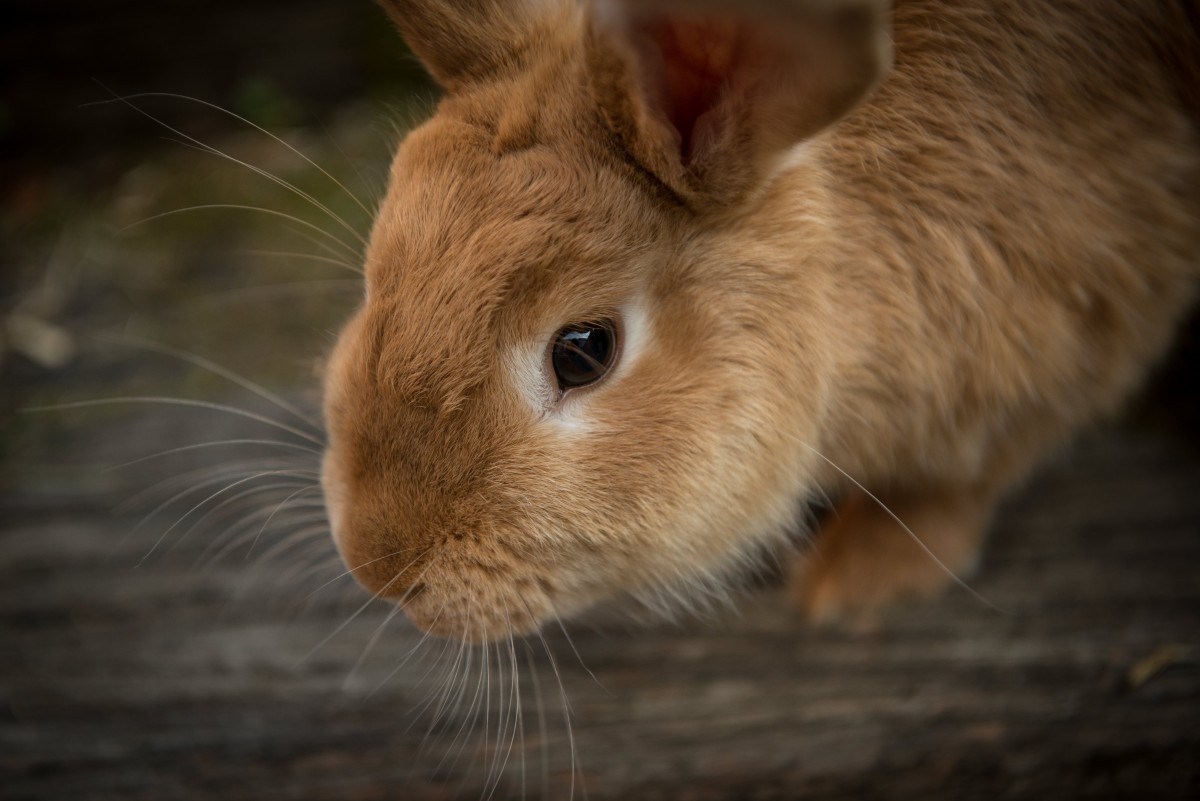
Rabbits are unique among pets. Unlike cats or dogs, they are hindgut fermenters. This means their bodies are designed to process massive amounts of coarse fiber constantly. In the wild, a rabbit spends the majority of its waking hours grazing. This constant intake of fiber keeps the muscles of the gastrointestinal tract moving—a process called peristalsis. When this movement slows down or stops entirely, it creates a dangerous cascade of events. The bacteria in the gut begin to change, gas builds up painfully, and the rabbit becomes dehydrated and reluctant to move or eat, which only makes the stagnation worse. Understanding this cycle is the first step in being a responsible bunny parent.
What Exactly Causes GI Stasis?
GI stasis is rarely a primary disease; it’s usually a symptom of an underlying issue. One of the most common culprits is a lack of dietary fiber. Because their systems are built for roughage, a diet too high in pellets or sugary treats and too low in hay is a recipe for disaster. Much like the principles found in the ultimate diet guide for other small herbivores, rabbits require a massive volume of long-strand fiber to keep the “conveyor belt” of their gut moving. Without it, the contents of the stomach can become a dehydrated mass that the body simply cannot move.
Dental issues are another major trigger. Rabbit teeth grow continuously throughout their lives. If they don’t have enough hay to grind them down, they can develop sharp spurs that make eating incredibly painful. A rabbit in pain will stop eating, and a rabbit that stops eating will enter GI stasis. Beyond diet and teeth, stress plays a massive role. Rabbits are prey animals; a sudden move, a loud noise, or even the loss of a companion can send their system into a tailspin. We also see stasis triggered by lack of exercise, underlying infections, or even the ingestion of toxins. In some cases, the misuse of certain antibiotics can wipe out the beneficial gut flora, allowing harmful bacteria to colonize and cause gas and fever.
The Subtle Signs: Spotting the Danger Early
Because rabbits are masters of hiding illness—a survival trait from their wild ancestors—you have to be a bit of a detective. The most obvious sign is a change in appetite. If your bunny normally runs for their morning greens but stays tucked in a corner instead, that is a red alert. However, there are more subtle signals to watch for. You might notice their droppings becoming smaller, darker, or more irregular in shape. Eventually, they may stop producing droppings altogether. This is a sign that the gut has reached a standstill.
A rabbit in pain will often adopt a hunched posture, looking like they are trying to press their belly against the floor to find a comfortable position. You might also hear loud gut noises—or conversely, an eerie silence when you press your ear to their side. Lethargy is another key indicator. If your usually curious friend isn’t interested in their surroundings, something is wrong. In cases involving dental pain, you might notice drooling or a wet chin. If you see any of these signs, do not wait until the morning. Time is of the essence when dealing with a rabbit’s metabolism.
Treatment and the Road to Recovery
If you suspect GI stasis, the first step is to contact a veterinarian who specializes in exotics. Standard small animal vets are wonderful, but rabbits have very specific needs that require specialized knowledge. You might want to review what to look for when choosing a veterinarian for your furry friend to ensure they have the right experience with lagomorphs. A vet will typically perform a physical exam, listen for gut sounds, and may take X-rays to ensure there isn’t a physical blockage or a more serious issue like heart or kidney failure.
Treatment usually focuses on three main pillars: hydration, pain management, and motility. Subcutaneous fluids are often administered to rehydrate the gut contents. Pain medication is crucial because a rabbit in pain will not eat, and without eating, the gut won’t move. Your vet may also prescribe motility drugs (like Metoclopramide) to jump-start the intestinal muscles. While at home, you will likely be tasked with syringe-feeding a high-fiber recovery food, often called “Critical Care,” and providing probiotics to restore balance to the gut bacteria. With early intervention, the prognosis for recovery is actually quite good, but it requires patience and around-the-clock care.
Prevention: Keeping the Gut Moving
The good news is that GI stasis is largely preventable with the right lifestyle. Diet is your most powerful tool. At least 80% of your rabbit’s diet should consist of high-quality grass hay, such as Timothy or Orchard grass. This provides the necessary fiber for both gut motility and dental wear. Fresh leafy greens provide moisture and vitamins, while pellets should be limited to about one tablespoon per pound of body weight. Treats like fruit or carrots should be given very sparingly due to their high sugar content, which can upset the delicate bacterial balance of the cecum.
Exercise is just as important as diet. A sedentary rabbit is much more likely to develop a sluggish gut. Ensuring your bunny has space to run, jump, and play is essential. If you are looking for ways to maximize their movement, consider tips for how to create a safe free-roam environment where they can explore securely. Fresh air and indirect sunlight also contribute to overall well-being. Finally, regular checkups with an exotic vet will help catch dental issues or other health changes before they lead to a full-blown stasis event.
People Also Ask: Rabbit GI Stasis Edition
Can I treat GI stasis at home? While there are emergency measures you can take, like gentle tummy massages and keeping the rabbit warm, GI stasis is a medical emergency. You should always consult a vet first to rule out a blockage, as giving motility drugs to a rabbit with an obstruction can be fatal.
How long can a rabbit go without eating? A rabbit should never go more than 8 to 12 hours without eating. Beyond this window, their liver can begin to suffer damage (hepatic lipidosis), and the gut can become permanently damaged.
Is gas the same as GI stasis? Gas is often a component of GI stasis. It is incredibly painful for rabbits and can cause them to stop eating, which then triggers the stasis. Treating the gas with baby simethicone is a common first-aid step, but it doesn’t replace veterinary care.
Expert Verdict and Final Thoughts
In my years of working with these sensitive creatures, I’ve learned that the best defense against GI stasis is a proactive owner. You know your rabbit better than anyone else. Trust your instincts—if something feels “off,” it probably is. Maintaining a high-fiber diet, encouraging lots of movement, and having an emergency kit (and an exotic vet’s number) ready can make all the difference. Remember, a rabbit’s health is reflected in their appetite and their litter box habits. Keep a close eye on both, and you’ll enjoy many happy, healthy years with your long-eared friend. Stay vigilant, keep the hay flowing, and always watch out for the signs of a slowing gut.


