Independence Day is the pinnacle of the American summer. It is a day defined by the smoky aroma of backyard barbecues, the laughter of family gatherings, and, of course, the spectacular pyrotechnics that light up the night sky. For us humans, it is a time of celebration and patriotism. However, for our pets—be they a loyal Labrador, a curious cat, or even a sensitive exotic bird—the Fourth of July can be one of the most stressful days of the year. As someone who has spent years rehabilitating exotic animals and living with a house full of rescues, I have seen firsthand how quickly a festive afternoon can turn into a midnight trip to the emergency vet. The combination of intense heat, loud noises, and tempting but dangerous foods creates a perfect storm of hazards. Being a responsible pet owner means looking at the holiday through their eyes and ears, anticipating the things that might spook or sicken them before the first sparkler is even lit. Safety isn’t just about avoiding accidents; it’s about ensuring our companions feel as secure as we do while we celebrate our nation’s freedom.
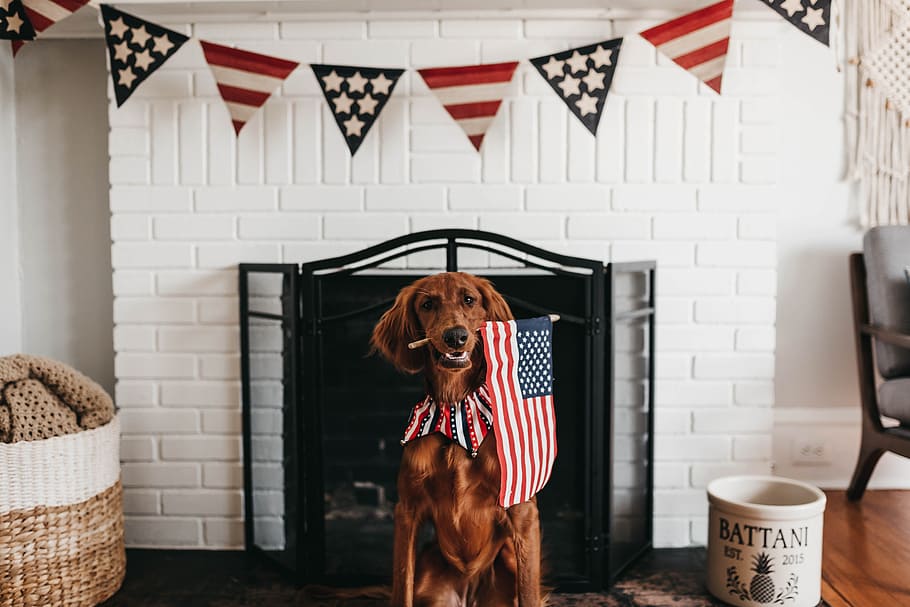
The first step in a safe celebration is managing the social dynamics of your gathering. If you are hosting a party or taking your dog to a local parade, you must be hyper-aware of their stress levels. While your dog might be a social butterfly in the quiet of your living room, the addition of dozens of strangers, screaming children, and the general chaos of a party can push even the calmest canine to their limit. Always keep your pet leashed when in public or around large groups. Even a dog with perfect recall can bolt if a sudden firecracker goes off nearby. Furthermore, ensure their identification tags are up to date and their microchip information is current. Since Independence Day festivities often extend to the water, lake safety is just as crucial as backyard safety when managing your pets during the holiday weekend.
The Social Scene: Crowds, Guests, and Pet Etiquette
When you have guests over, it is vital to set ground rules. Not everyone understands animal behavior, and a well-meaning friend might accidentally let your pet out of the gate or feed them something toxic. I always recommend placing a sign on the front door or backyard gate reminding guests to keep it closed. Beyond physical safety, you need to manage how people interact with your animals. Some pets become protective of their space during high-energy events, while others may become fearful. If your pet seems overwhelmed, don’t force them to mingle. Provide them with a quiet, designated ‘safe zone’ in a back room where they can retreat. This is especially important for exotic pets like rabbits or guinea pigs, who can literally be scared to death by the sudden movements and loud voices of a party.
The Danger in the Dish: BBQ Scraps and Toxic Treats
The Fourth of July is a culinary minefield for pets. While it’s tempting to let ‘Fido’ have a piece of a burger or a bit of a hot dog, the decadent foods we love are often loaded with fats, spices, and ingredients that are toxic to animals. Fatty scraps can trigger pancreatitis, a painful and potentially life-threatening inflammation of the pancreas. Even worse are the hidden dangers: onions and garlic, common in marinades and rubs, can damage red blood cells in both cats and dogs. Then there are the physical hazards. Corn on the cob is a classic holiday staple, but the cob itself is a leading cause of intestinal blockages in dogs because it does not break down in the digestive tract. Similarly, cooked bones can splinter and pierce the stomach or intestines.
We also have to talk about alcohol. It should go without saying, but alcohol is strictly off-limits for all animals. Even a small amount of beer or wine can cause respiratory distress, tremors, and even death in smaller pets. If you suspect your pet has snatched something they shouldn’t have, don’t wait for symptoms to appear. Contact the Animal Poison Control Center or your veterinarian immediately. It is much better to have a false alarm than to manage a full-blown toxicity crisis in the middle of a holiday weekend.
Beating the Sizzle: Summer Heat and Hydration Strategies
In many parts of the country, particularly places like Texas, the Fourth of July falls during the hottest part of the year. Heatstroke is a very real threat that can escalate in minutes. Pets don’t sweat like humans do; dogs rely on panting to cool down, which is far less efficient in high humidity or extreme heat. Never leave your pet in a parked car, even with the windows cracked, as temperatures can reach lethal levels in under ten minutes. When outdoors, ensure your pet has constant access to clean, cool water and deep shade. If you are at a park or a beach, remember that sand and asphalt can become hot enough to burn paw pads. A good rule of thumb is the five-second rule: if you can’t hold the back of your hand against the pavement for five seconds, it’s too hot for your pet to walk on.
Recognizing the Signs of Heat Exhaustion
As a seasoned owner, you should know the warning signs of overheating. These include excessive, heavy panting, bright red or purple gums, drooling, weakness, and vomiting. If you notice these symptoms, move your pet to a cool environment immediately, wrap them in cool (not ice-cold) wet towels, and seek veterinary care. For small mammals like ferrets or chinchillas, heat is even more dangerous, as they are highly susceptible to heat exhaustion at temperatures above 80 degrees Fahrenheit. Keeping these delicate friends in an air-conditioned room is non-negotiable during a summer heatwave.
The ‘Boom’ Factor: Managing Fireworks and Sound Phobia
For most pet owners, the fireworks are the biggest hurdle. The auditory range of dogs and cats is significantly broader than ours, meaning those ‘booms’ aren’t just loud—they are physically painful and terrifyingly unpredictable. This triggers a ‘fight or flight’ response that leads to thousands of pets going missing every July 4th. To mitigate this, keep your pets indoors well before the sun goes down and the professional displays begin. Close all windows and curtains to dampen the sound and block out the flashing lights, which can also be a trigger for anxiety. Ensuring your house is prepared for the noise starts with creating a pet-friendly home environment that prioritizes security and comfort.
Creating a Fortress of Solitude
You can create a ‘sound cocoon’ for your pet by turning on a white noise machine, a fan, or playing calming music specifically designed for animals. Many owners find success with ‘Through a Dog’s Ear’ or similar psychoacoustic music. For dogs with severe phobias, a compression vest, like a Thundershirt, can work wonders. These vests apply constant, gentle pressure, similar to swaddling a baby, which helps release endorphins and lowers the heart rate. If your pet’s anxiety is extreme, talk to your vet about short-acting anti-anxiety medications. These are not ‘knock-out’ pills but rather medications that help the brain process the fear more calmly. Calming chews containing L-theanine or melatonin can also be helpful for mild cases.
Don’t Forget the Exotic Family Members
Exotic pets are often left out of the holiday safety conversation, but they are frequently the most vulnerable. For those with feathered friends, remembering the specific needs of exotic birds is vital during loud celebrations. Parrots and other birds have highly sensitive respiratory systems; the smoke from backyard fire pits, charcoal grills, and even the sulfurous fallout from fireworks can be toxic to them. If you are setting off legal fireworks in your driveway, keep your birds in the furthest room of the house with an air purifier running. Small prey animals, like rabbits, have a natural instinct to hide when they hear loud noises. Ensure their enclosures have plenty of ‘hidey-holes’ and extra hay to burrow into. If your exotic pet stops eating after a stressful event, this is a medical emergency, especially for hindgut fermenters like guinea pigs, so keep a close eye on their appetite.
People Also Ask
Can I give my dog human calming supplements like melatonin? While melatonin is generally safe for dogs, you must ensure the supplement does not contain Xylitol (birch sugar), which is deadly to pets. Always consult your vet for the correct dosage before administering any supplement.
Why does my cat hide during fireworks while my dog barks? These are different manifestations of the same fear. Cats typically use a ‘hide and wait’ strategy, while dogs may attempt to ‘scare away’ the threat through barking or may pace and whine. Both require a calm, indoor environment to feel safe.
Are sparklers safe to use around pets? No. Sparklers reach temperatures of 1,200 to 2,000 degrees Fahrenheit. The sparks can easily burn a pet’s fur or eyes, and the sticks remain hot long after the flame is out. Keep all pyrotechnics away from curious noses.
The Expert Verdict: Preparation is Peace of Mind
The key to a successful Independence Day is proactive management. You cannot control when the neighbors will start their celebration, but you can control your pet’s environment. By treating the holiday as a day of ‘indoor enrichment’ rather than an outdoor adventure, you mitigate the majority of risks. Stock up on high-value treats, freeze some stuffed puzzle toys to keep your dog busy, and ensure your exotic pets are tucked away in the quietest corner of the house. Your goal is to make the 4th of July just another Tuesday in the eyes of your pet.
Conclusion & Key Takeaways
As we celebrate our country’s heritage, let’s make sure we aren’t sacrificing our pets’ well-being in the process. Keep them cool, keep them fed with their own healthy food, and most importantly, keep them inside. By following these professional guidelines, you can enjoy the fireworks knowing your best friend is safe, sound, and sleeping through the noise. Remember: a tired, indoor pet is a safe pet. Happy Fourth of July to you and your entire multi-species family!


