There is nothing quite like the first few days of spring—the sun feels warmer on your back, the grass turns a vibrant shade of green, and our pets seem to have a renewed sense of adventure. As someone who has spent years living with everything from standard canines to sensitive exotic rescues, I know that this seasonal shift often comes with a hidden catch. While we are busy celebrating the arrival of blooms around Valentine’s Day, our furry companions might be quietly beginning their annual battle with an invisible enemy: environmental allergens. It is a time of year when ‘love is in the air,’ but for many of our pets, so is the pollen that triggers relentless itching and discomfort.
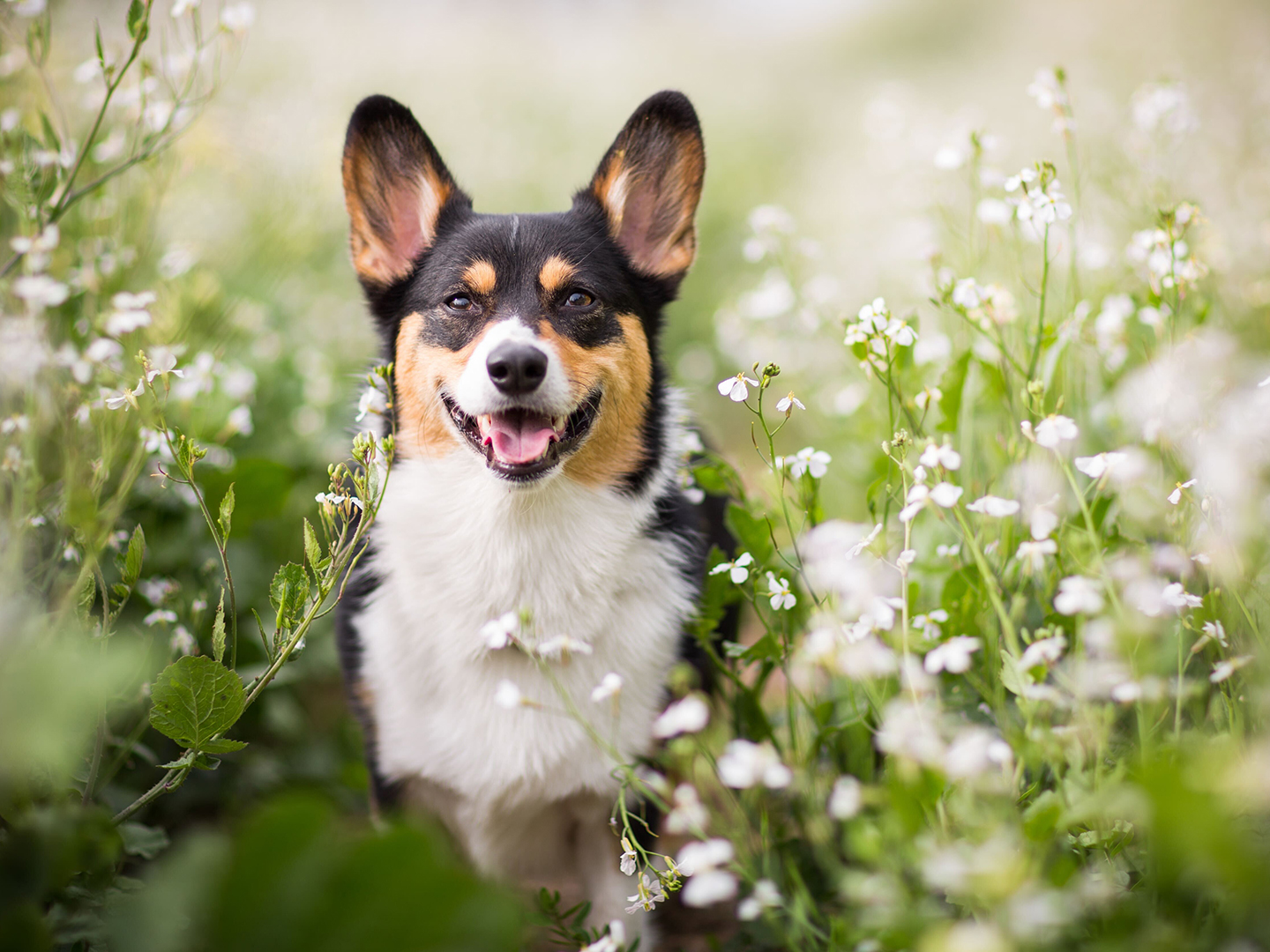
The Unseen Shift: Why Spring is More Than Just Flowers
For pet owners, spring represents a double-edged sword. We want our pets to enjoy the outdoors, but we must be vigilant about the microscopic particles they encounter. Dr. Christina Gentry, a clinical assistant professor at the Texas A&M University College of Veterinary Medicine & Biomedical Sciences, points out that allergy season often kicks off earlier than we expect. In fact, many trees start releasing pollen as early as February. For at least 10% of the canine population, this marks the start of a difficult period characterized by scratching, biting, and general restlessness.
Understanding environmental allergens is the first step in protecting your pet. These aren’t just limited to the grass your dog rolls in; they include tree pollens, weed pollens, and outdoor molds. What makes it trickier is that these allergens don’t stay outside. They hitch a ride on fur, clothing, and even the breeze, entering our homes and mixing with indoor irritants like house dust mites and storage mites. This cumulative effect is often what pushes a pet over their ‘allergic threshold,’ turning a minor itch into a full-blown skin crisis. To mitigate this, creating a pet-friendly home environment that minimizes dust and maximize air quality is essential.
The Geography of Itching: How Allergens Travel
One of the most fascinating—and frustrating—aspects of seasonal allergies is how far the irritants can travel. We often think of our pet’s allergies as a local problem, confined to the plants in our backyard. However, pollen is incredibly buoyant. Dr. Gentry notes that allergens like red cedar (the culprit behind the infamous ‘cedar fever’) can travel hundreds of miles. Winds can carry these particles from North Texas all the way into Canada. This means your pet could be reacting to a plant that doesn’t even grow in your immediate ZIP code.
Furthermore, the allergic reaction doesn’t necessarily stop just because the flowers have faded. Pollen grains are designed to stick. They cling to the surfaces of grass blades, patio furniture, and, most importantly, your pet’s coat and paws. Even after the peak pollination period has passed, your pet continues to encounter these triggers every time they step outside or groom themselves, extending the ‘season’ well into the summer months.
Decoding the Symptoms: Skin vs. Respiratory
When humans have hay fever, we sneeze, our eyes water, and we reach for the tissues. Pets, particularly dogs, have a very different physiological response. In the animal kingdom, the immune system primarily contacts allergens via the skin route rather than the respiratory system. This is why you rarely see a dog with a ‘runny nose’ from seasonal allergies; instead, you see a dog who can’t stop licking their paws or scratching their ears.
Common clinical signs of seasonal allergies in pets include:
- Generalized Itching: Frequent scratching of the flanks, neck, and belly.
- Paw Licking: Obsessive grooming of the feet, often leading to saliva staining (reddish-brown fur).
- Ear Infections: Redness, odor, or discharge in the ears, often recurring every spring.
- Face Rubbing: The pet may rub their muzzle or eyes against carpet or furniture.
- Secondary Infections: Scabs, hair loss, or a ‘yeasty’ smell resulting from the pet breaking the skin barrier through scratching.
If you notice these behaviors, it is vital to recognize them as medical symptoms rather than just ‘bad habits.’ Persistent scratching can lead to severe dermatological issues if left untreated. For a broader look at physical indicators that your animal needs help, refer to our guide on warning signs your pet needs an urgent vet visit.
The Diagnostic Journey: Ruling Out the Competition
Diagnosing environmental allergies (atopy) in companion animals is a process of elimination. Because an itch looks the same regardless of whether it’s caused by a flea, a food sensitivity, or oak pollen, veterinarians must be thorough. Usually, the first step is ensuring the pet is on strict flea prevention and perhaps performing a food trial to rule out protein sensitivities.
Once other causes are sidelined, specialists like veterinary dermatologists use two primary methods for definitive testing:
1. Serum Testing (Blood Draw)
This involves drawing blood to measure the levels of allergen-specific IgE antibodies. It is convenient but can sometimes be influenced by the time of year or recent medication use.
2. Intradermal Testing (Skin Test)
Often considered the ‘gold standard,’ this involves sedating the pet and injecting small amounts of various allergens just under the skin to observe the inflammatory response. This provides a clear ‘map’ of exactly what the pet is reacting to, allowing for the creation of custom immunotherapy (allergy shots or oral drops).
Expert Tip: Be wary of ‘at-home’ allergy kits that use hair or saliva samples. Dr. Gentry and the wider veterinary community emphasize that these tests are notoriously inaccurate and are not recommended for medical diagnosis.
Effective Management: From Bathing to Bio-Therapeutics
Since we cannot keep our pets in a vacuum, management is about reducing the ‘allergen load’ and calming the immune response. A proactive strategy is always better than a reactive one. If you know your pet suffers every May, start your prevention plan in April.
One of the simplest yet most effective tools in your arsenal is regular bathing. Washing your pet one to two times per week with a veterinarian-recommended medicated shampoo can physically wash away the pollen trapped in their fur. This prevents the allergens from sitting against the skin and causing a reaction. To ensure you aren’t doing more harm than good with your technique, check out our advice on seasonal grooming dos and donts.
In addition to topical care, modern veterinary medicine offers incredible relief through targeted medications. These range from daily pills that block the ‘itch signal’ to long-acting injections that neutralize the proteins responsible for the allergic response. Immunotherapy remains the only treatment that actually ‘retrains’ the immune system, potentially providing long-term desensitization.
People Also Ask
Can I give my dog human allergy medicine?
While some over-the-counter antihistamines are safe for dogs, they are often significantly less effective in pets than they are in humans. More importantly, some human formulations contain decongestants (like pseudoephedrine) which are highly toxic to animals. Always consult your vet for the correct dosage and safe brands.
Do cats get seasonal allergies too?
Absolutely. While we focus a lot on dogs, cats can suffer from environmental allergies as well. In cats, this often manifests as over-grooming (thinning hair on the belly or legs) or ‘miliary dermatitis,’ which feels like small, crusty scabs along the back and neck.
Are certain breeds more prone to allergies?
Yes, genetics play a major role. Breeds like Golden Retrievers, West Highland White Terriers, Bulldogs, and Frenchies are statistically more likely to develop atopic dermatitis. However, any breed—or mixed breed—can be affected.
Expert Verdict & Final Thoughts
Living with an allergic pet requires patience and a bit of detective work. From my experience, the most successful owners are those who keep a ‘skin diary’ to track when the scratching starts and what the environment was like. Is it worse after a walk in the woods? Does it flare up when the lawn is mowed? This data is gold for your veterinarian.
Remember, allergies are a chronic condition, not a one-time illness. You aren’t looking for a ‘cure’ as much as you are looking for a ‘maintenance level’ where your pet is comfortable and happy. By combining environmental management—like wiping paws after walks and using HEPA filters—with professional veterinary guidance, you can ensure that the only thing your pet feels this spring is the joy of the sunshine.
Actionable Takeaways for Pet Owners
- Start Early: If your pet has a history of allergies, visit the vet before the trees start blooming.
- The Paw Wipe: Keep a container of pet-safe wipes by the door and clean your pet’s paws every time they come inside.
- Watch for Odor: A ‘corn chip’ or ‘musty’ smell often indicates a secondary yeast infection that requires professional medication.
- Check the Ears: Weekly ear cleanings with a vet-approved solution can prevent the inflammation that leads to painful infections.
- Avoid DIY Kits: Stick to blood or skin testing performed by a licensed professional to avoid wasting time and money on inaccurate results.


