When most people think of a companion animal, their minds immediately jump to wagging tails or soft purrs. However, for a growing community of animal lovers, the perfect companion has scales, not fur. Snakes are frequently misunderstood, often cast as the villains of the natural world, but those of us who have shared our homes with these remarkable reptiles know the truth. They are fascinating, low-maintenance, and surprisingly calming creatures. Whether you are looking for a pet that fits a busy lifestyle or you are simply captivated by the ancient elegance of serpents, keeping a snake can be an incredibly rewarding experience. As someone who has spent years observing their quiet behaviors and unique personalities, I can tell you that there is nothing quite like the zen-like experience of watching a snake explore its environment or rest peacefully in its enclosure.
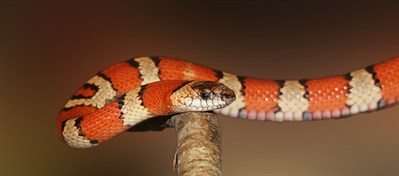
One of the most significant advantages of owning a snake is their low-maintenance nature. Unlike dogs, they do not require daily walks, and unlike cats, they do not have a litter box that needs constant scooping. They are exceptionally quiet, making them ideal for apartment living or for people who value a peaceful home environment. However, the label of “low maintenance” does not mean “no maintenance.” To truly thrive, a pet snake requires a specific environment, a steady diet, and a dedicated owner who understands their biological needs. Before you bring home your first scaly friend, it is crucial to understand the commitment you are making, as many species can live for twenty years or more. It is a long-term relationship that requires careful planning and a genuine interest in herpetology.
Choosing the Right Species for Beginners
Not all snakes are created equal when it comes to being pets. If you are just starting out, you want a species that is hardy, generally docile, and does not grow to an unmanageable size. Dr. Sharman Hoppes, a veterinary expert from Texas A&M, notes that Ball Pythons, Kingsnakes, and Corn Snakes are among the best choices for first-time owners. These species have been captive-bred for generations, meaning they are well-adapted to life in a vivarium and are generally less stressed by human interaction than wild-caught specimens.
The Corn Snake (Pantherophis guttatus)
Corn snakes are perhaps the most popular beginner snake in the world. They are native to the United States, come in a staggering array of colors (known as morphs), and have a very manageable adult length of 3 to 5 feet. They are excellent eaters and have a curious, active nature. Because they are terrestrial but love to climb, they provide a lot of visual interest for their owners.
The Ball Python (Python regius)
If you prefer a snake that is a bit more sedentary and “cuddly” (in a reptile way), the Ball Python is a fantastic choice. Named for their habit of curling into a tight ball when stressed, these pythons are known for their thick bodies and gentle temperaments. While they can sometimes be picky eaters, their slow movements make them very easy to handle. However, because they have specific humidity requirements, you must be prepared to monitor their habitat closely.
The Kingsnake and Milk Snake (Lampropeltis)
Kingsnakes are hardy, vibrant, and have a legendary appetite. They are incredibly easy to care for and can tolerate a wider range of environmental conditions than tropical species. The only thing to watch out for is their enthusiasm during feeding time; they are very food-motivated! For those worried about the long-term financial commitment, it is worth understanding your veterinary bills early on, as even hardy species like Kingsnakes require specialized exotic care.
Designing an Escape-Proof Habitat
Your snake’s enclosure is their entire world, so it needs to be perfect. The most critical rule of snake keeping is this: snakes are escape artists. If there is a gap the size of their head, they will find a way through it. A glass aquarium with a securely locking mesh lid is the standard, but many enthusiasts prefer PVC enclosures because they hold heat and humidity much better than glass. The size of the enclosure should allow the snake to fully stretch out, or at the very least, follow the rule that the length plus the width of the tank should be equal to or greater than the length of the snake.
Lighting and the Circadian Rhythm
Snakes, like all animals, need a clear day and night cycle. While many nocturnal snakes do not strictly require UV lighting to survive, providing a low-level UVB light can be beneficial for their overall health and behavior. At the very least, you should ensure they have 12 hours of light and 12 hours of darkness. Avoid using bright lights at night; if you need to provide heat during the evening, use a ceramic heat emitter or a deep heat projector that does not emit visible light.
Temperature Gradients: The Key to Digestion
Because snakes are ectothermic, they rely on their environment to regulate their body temperature. This means you cannot just heat the whole tank to one temperature. You must create a “thermal gradient.” On one end of the tank, provide a basking spot that reaches about 90 degrees Fahrenheit. The rest of the enclosure should stay between 80-85 degrees during the day, dropping to no lower than 75 degrees at night. This allows the snake to move to the warm side to digest its food and move to the cool side when it needs to lower its metabolic rate. Always use a high-quality thermostat to prevent overheating, which can be fatal. If your snake seems agitated or stops eating, it may be struggling to handle stressful situations caused by improper temperatures.
Substrate and Enrichment: Making a Home a Haven
What you put on the bottom of the cage matters immensely. Bedding, or substrate, serves several purposes: it absorbs waste, helps maintain humidity, and allows for natural burrowing behavior. Aspen chips are a favorite for Corn snakes and Kingsnakes because they hold their shape for burrowing. For species requiring higher humidity, coconut husk or cypress mulch is better. You can even use recycled paper bedding for a clean, eco-friendly option that is easy to spot-clean.
Whatever you choose, avoid pine and cedar shavings at all costs. These woods contain aromatic oils (phenols) that are toxic to reptiles and can cause respiratory infections or skin irritation. Similarly, sand is generally discouraged as it can be accidentally ingested during feeding, leading to life-threatening impaction. Beyond the substrate, your snake needs at least two “hides”—one on the warm end and one on the cool end—so they feel secure regardless of where they are in the temperature gradient.
The Ethics of Feeding: Why Frozen-Thawed is Best
Feeding is often the most daunting part of snake ownership for beginners. Most pet snakes eat rodents, ranging from tiny “pinky” mice to large rats. While the source material mentions that some snakes eat insects or birds, the average pet snake will thrive on a diet of mice or rats. A crucial expert recommendation is to avoid feeding live prey.
Feeding live rodents is not only inhumane for the prey, but it is incredibly dangerous for the snake. A mouse or rat that is fighting for its life can severely bite or scratch a snake, leading to infections or even death. Furthermore, if a snake is not hungry or is feeling unwell, a live rodent left in the cage may actually begin to eat the snake. The solution is “frozen-thawed” feeding. You purchase frozen rodents, thaw them in warm water, and offer them to the snake with tongs. It is safer, more convenient, and much more ethical.
People Also Ask
Are snakes good pets for children?
Yes, but with adult supervision. Species like Corn snakes are gentle and easy to handle, but children must be taught to respect the animal’s space and handle them gently. The primary responsibility for habitat maintenance and feeding should always fall on an adult.
How often do snakes need to eat?
This depends on the age and species. Hatchling snakes may eat once every 5 to 7 days, while mature adults of common species like Ball Pythons or Corn snakes usually eat once every 10 to 14 days. Overfeeding can lead to obesity, which is a serious health issue for reptiles.
Do snakes recognize their owners?
While snakes don’t feel “love” in the way a dog does, they certainly learn to recognize scents and the lack of threat. Over time, a snake will become comfortable with your presence and may even show curiosity when you approach the enclosure, associating you with food and safety.
The Expert Verdict: Is a Snake Right for You?
Keeping a snake is a journey into a different kind of companionship. It requires an appreciation for biology, a commitment to consistent environmental monitoring, and a willingness to accept an animal on its own terms. If you are someone who enjoys observing the quiet beauty of nature and can commit to the long-term needs of a reptile, a snake can be an extraordinary addition to your life. They teach us patience and remind us of the incredible diversity of life on our planet. Just remember to do your research, find a qualified exotic veterinarian, and always prioritize the welfare of your scaly friend. With the right setup and a bit of dedication, you’ll find that life with a snake is anything but squirmy—it’s actually quite wonderful.


