In an era where environmental consciousness is no longer a luxury but a necessity, small pet owners are looking for ways to minimize their ecological footprint. Did you know that carefresh bedding is 100% biodegradable and compostable? This isn’t just an accidental feature; carefresh is a “made from scratch” small pet paper bedding specifically engineered to be returned to the earth from which it originated. By choosing to compost your used bedding rather than tossing it in the bin, you are participating in a circular economy that nourishes the planet. This guide will walk you through the scientific benefits of composting, the specific steps for different pet types, and how you can join the growing movement of sustainable pet parents who are turning waste into a valuable resource for their gardens.
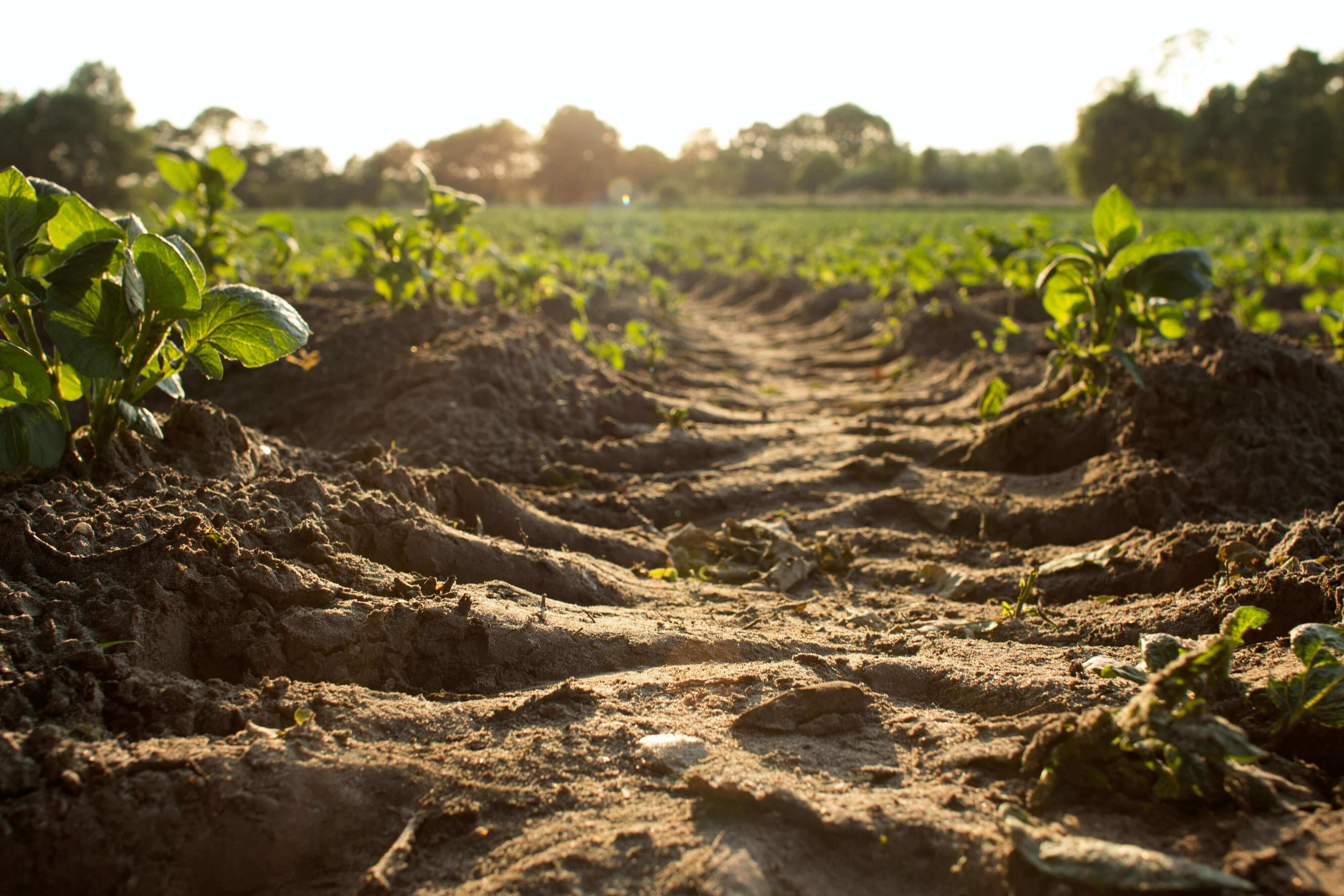
The Hidden Crisis of Landfill Waste in 2024
As of 2024, waste management statistics remain a sobering reminder of the work ahead. Recent data suggests that roughly 80% of items buried in landfills across the United States could have been recycled or composted. Landfills are not just passive piles of trash; they are significant contributors to soil pollution and environmental degradation. When organic materials like paper bedding and pet waste are trapped in the oxygen-deprived environment of a landfill, they undergo anaerobic decomposition. This process produces methane, a greenhouse gas that is significantly more potent than carbon dioxide at trapping heat in the atmosphere.
By contrast, composting utilizes aerobic decomposition. This natural process allows organic materials to break down in the presence of oxygen, fueled by beneficial microorganisms. Instead of producing harmful gases, aerobic decomposition results in nutrient-rich soil amendments. For the dedicated small pet parent, shifting from the trash can to the compost bin is one of the most effective ways to reduce your household’s carbon footprint.
Why carefresh is the Ideal Composting Component
Unlike some wood-based beddings that may contain oils or resins that slow down the composting process, carefresh paper bedding is designed with sustainability in mind. Because it is made from scratch from natural fibers, it serves as an excellent “brown” material (carbon-rich) in your compost pile. Every healthy compost pile needs a balance of “greens” (nitrogen-rich materials like food scraps and manure) and “browns” (carbon-rich materials like paper and straw).
The Science of the Carbon-to-Nitrogen Ratio
Expert gardeners often aim for a Carbon-to-Nitrogen (C:N) ratio of about 30:1. The high carbon content of carefresh bedding provides the necessary energy for the microbes that do the heavy lifting of decomposition. When combined with the nitrogen found in small pet droppings, you create a perfectly balanced environment for rapid, efficient breakdown into humus, the organic component of soil.
Step-by-Step: Composting for Herbivore Pets
If you are a parent to a rabbit, guinea pig, or chinchilla, you are in luck! These animals are obligate herbivores, meaning their diet consists entirely of plant matter. Their waste is considered “cold manure,” which is exceptionally safe and beneficial for garden soil. Follow these steps to maximize your output:
- Collect: When cleaning the cage, gather all used carefresh bedding along with the droppings.
- Layer: Place the used bedding on your compost heap. A good practice is to layer it with other yard waste like straw or dried leaves.
- Hydrate: Ensure the pile is damp but not soaking wet. It should feel like a wrung-out sponge.
- Aerate: Every few days, use a pitchfork to turn the pile. This introduces oxygen, preventing the pile from becoming anaerobic and smelly.
- Monitor: Check the temperature. A healthy, active compost pile will generate heat as the microorganisms work.
Special Considerations for Omnivore and Carnivore Pets
Parents of hamsters, rats, mice, or gerbils need to take a slightly different approach. These animals are omnivores, and their waste may contain different bacteria or pathogens that are not found in herbivore waste. While the carefresh bedding itself is still 100% compostable, you must exercise caution.
Expert Tip: We recommend removing the solid waste (feces) from the used bedding and disposing of it separately in a biodegradable bag. Once the solid waste is removed, the urine-soaked carefresh bedding is perfectly safe to compost. Because urine contains high levels of nitrogen, it actually acts as an accelerant for your compost pile. However, never use compost containing omnivore or carnivore waste on edible garden plants like lettuce or tomatoes; save that compost for your ornamental flowers, trees, or lawn.
Advanced Composting Methods for Urban Dwellers
Not everyone has a massive backyard for a traditional compost heap. Fortunately, 2024 has seen a surge in urban composting solutions. If space is limited, consider these alternatives:
- The Tumbler Method: An enclosed bin that can be rotated easily. This is great for keeping pests away and is perfect for small patios.
- Vermicomposting (Worm Farming): While worms love many types of paper bedding, ensure you are only adding small amounts of used carefresh at a time to maintain the pH balance of the worm bin.
- Municipal Green Bins: Many modern cities now offer commercial composting. Check with your local waste management company to see if they accept “pet waste and bedding.” Many facilities have industrial-scale heat processors that can neutralize pathogens that a home pile cannot.
Expert Review: The Environmental Verdict
Environmental scientists and sustainability experts increasingly advocate for the “Pet Waste Circularity” model. According to a 2023 study on urban gardening, soil amended with composted pet bedding showed a 15% increase in moisture retention compared to standard topsoil. This is largely due to the high-quality cellulose fibers found in products like carefresh, which help build soil structure. Experts agree: the most sustainable thing you can do with your pet’s home is to let it become part of your own home’s ecosystem.
Frequently Asked Questions (FAQ)
1. Does composted pet bedding smell?
If managed correctly with proper aerobic decomposition (regular turning and the right balance of browns and greens), your compost pile should have an earthy, pleasant smell. A foul odor usually indicates that the pile is too wet or lacks oxygen.
2. How long does it take for carefresh to turn into soil?
Depending on your climate and how often you turn the pile, it typically takes between two to six months. In warmer summer months, the process is significantly faster than in the winter.
3. Can I use the compost on my vegetable garden?
If you are composting bedding from herbivores (rabbits and guinea pigs), yes! If you are composting bedding from omnivores (hamsters/rats), even with the waste removed, it is generally safer to use that compost for non-edible landscaping.
4. What if I find bugs in my compost pile?
Don’t panic! Insects like sowbugs and certain beetles are part of the natural decomposition process. They help break down the larger fibers of the paper bedding so that the microorganisms can finish the job.
5. Is carefresh bedding safe for worms?
Yes, carefresh is made from natural fibers and is safe for vermicomposting, though it should be mixed with other food scraps to provide a varied diet for the worms.
Conclusion: A Greener Future for You and Your Pet
Transitioning to a home composting system is one of the most rewarding steps you can take as a responsible pet owner. By choosing carefresh small pet paper bedding, you have already started with a product that respects the earth. Taking that next step to keep that bedding out of the landfill closes the loop on waste. Whether you are growing a prize-winning rose bush or just trying to reduce your weekly trash output, your compost pile is a testament to your commitment to a healthier, more sustainable planet. Start small, stay consistent, and watch as your pet’s old bedding transforms into the lifeblood of a thriving garden.


