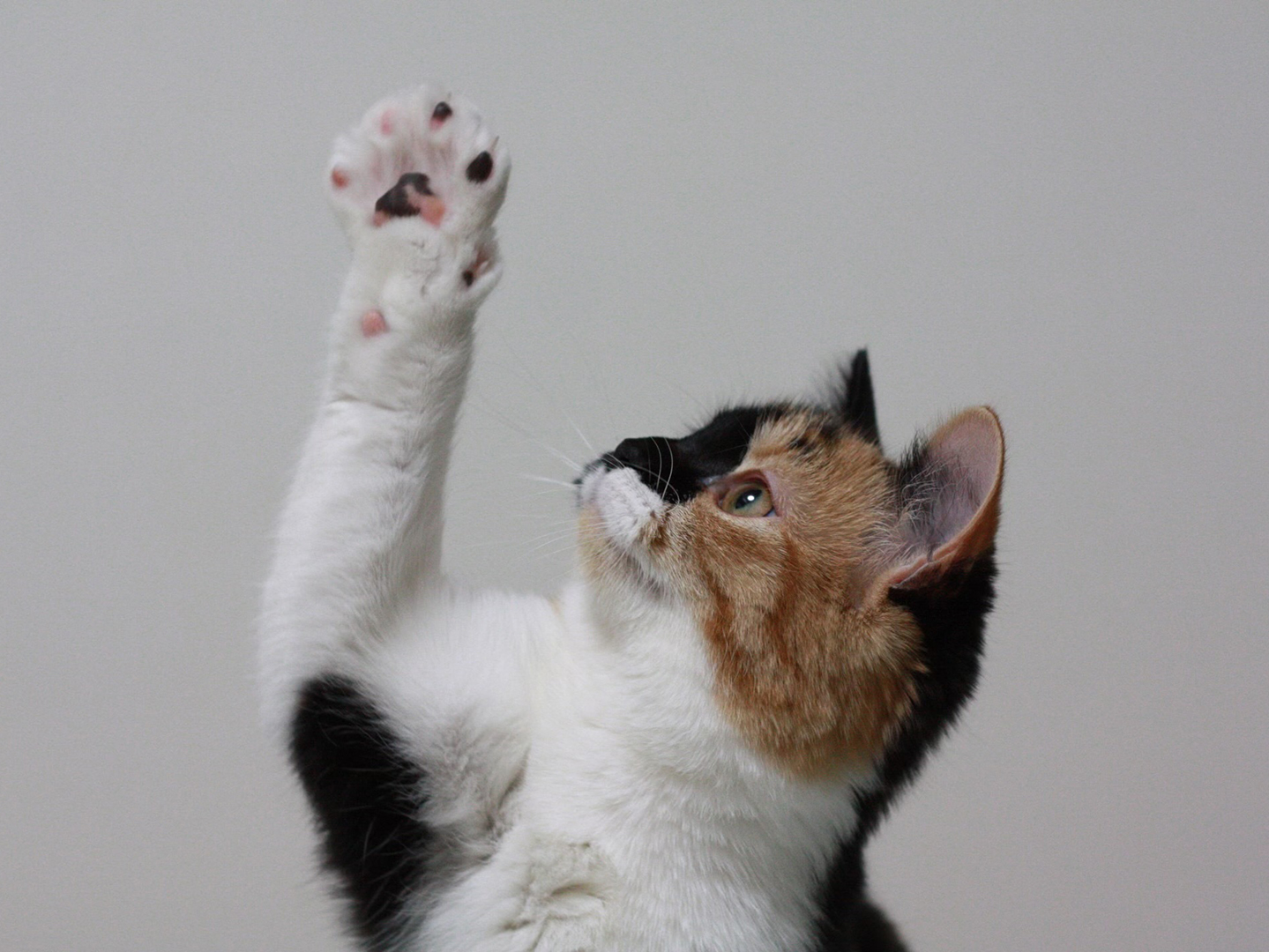
If you have ever spent a quiet afternoon watching your cat stretch or your dog dreaming on the rug, you have likely marveled at those squishy, adorable structures we affectionately call ‘toe beans.’ As a long-time exotic pet enthusiast and blogger, I have seen my fair share of unique animal appendages, but there is something truly special about the domestic paw. Whether it is the soft, silent tread of a Maine Coon stalking a toy or the heavy-duty thumping of a Golden Retriever coming in from the rain, those paw pads are more than just cute features—they are a masterpiece of biological engineering. They are the primary interface between our pets and the world, acting as shoes, shock absorbers, and even communication devices.
The Anatomy of an Essential Tool
To truly appreciate the paw pad, we have to look beneath the surface. Dr. Christina Gentry from Texas A&M notes that these pads are comprised of three distinct layers that work in harmony. The outermost layer is a thick, pigmented epidermis made of keratinized epithelium. This is essentially the toughest skin on your pet’s entire body, designed to withstand the friction of constant movement across grass, gravel, and hardwood floors.
Beneath that tough exterior lies a layer of dense connective tissue and a deep layer of subcutaneous fat. This fatty tissue is the ‘secret sauce’ that provides cushioning. Imagine walking barefoot on a rocky path; you would feel every sharp edge. Your pet, however, has built-in sneakers. This cushioning is vital for supporting their weight, especially since both cats and dogs are digitigrade, meaning they walk on their toes rather than their heels. This allows for the incredible bursts of speed and agility we see during a game of fetch or a midnight case of the ‘zoomies.’
The Differences Between Feline and Canine Paws
While they might look similar to the untrained eye, the paws of cats and dogs serve different evolutionary purposes. A cat’s paw is generally more rounded and designed for stealth and climbing. One of the most fascinating features of the feline paw is the ability to retract claws. This keeps the claws sharp for hunting and defense while allowing the cat to move silently across surfaces. If you are focused on overall feline wellness, remember that properly maintaining your pet’s environment is just as crucial as keeping your dog’s coat shiny and healthy.
Dogs, on the other hand, have more oval-shaped paws and non-retractable claws. Their claws act like cleats on an athlete’s shoe, providing traction for digging and running. Because dogs put so much pressure on their digital and metacarpal pads, they are particularly prone to wear and tear over time.
Thermal Regulation and the ‘Sweaty Paw’ Mystery
Have you ever noticed your dog leaving damp footprints on a dry floor when they are nervous at the vet? Many people are surprised to learn that paw pads are one of the few places where dogs and cats actually have functional sweat glands. Known as eccrine glands, these help with thermoregulation. However, because the surface area of the paws is so small compared to the rest of the body, sweating through the paws is not enough to cool down a pet on a hot summer day—that is what panting is for.
The sweat also serves a dual purpose: traction. A slightly damp paw pad can grip smooth surfaces better than a bone-dry one. Furthermore, paws are loaded with scent glands. When a cat kneads your lap or a dog kicks up dirt after doing their business, they are using their paw pads to leave behind a chemical signature that tells other animals, ‘I was here.’
Environmental Hazards: Protecting the Pads
Living as an exotic pet blogger has taught me that we often take our pets’ toughness for granted. Just because they have ‘built-in shoes’ doesn’t mean they are invincible. One of the greatest threats to paw health is the ambient temperature of the ground. During the height of summer, asphalt and concrete can reach temperatures exceeding 140 degrees Fahrenheit—hot enough to cause second-degree burns in seconds.
Dr. Gentry suggests the ‘back of the hand’ rule: if you cannot comfortably hold the back of your hand against the pavement for seven seconds, it is too hot for your dog to walk on. In the winter, the danger shifts to ice, salt, and chemical de-icers. These can lead to painful cracking and chemical burns. For our feline friends, the surface they step on daily matters, which is why many owners prefer using a natural litter that is cleaner and healthier to avoid irritating sensitive pads with harsh chemicals or dust.
Common Paw Injuries and First Aid
Because the paw pads support the animal’s entire weight, even a minor cut can be debilitating. Common injuries include:
- Abrasions: Often caused by running on rough surfaces like tennis courts or gravel.
- Lacerations: Cuts from broken glass, sharp rocks, or metal debris.
- Foreign Bodies: Thorns, burrs, or small pebbles getting stuck between the toes.
- Cracking: Caused by excessively dry air or exposure to harsh chemicals.
Injuries can happen fast, and while a paw cut is scary, it’s often more manageable than learning how to best care for your dog with a broken bone. If you notice your pet limping or excessively licking their paw, it is time for an inspection. Clean the area with mild soap and water, and if there is active bleeding or deep tissue exposure, seek veterinary care immediately. Paw pads heal slower than other skin because they are under constant pressure and movement.
People Also Ask: Common Questions About Paw Pads
Why do my dog’s paws smell like corn chips?
This is a very common observation! The ‘Frito feet’ smell is usually caused by Proteus or Pseudomonas bacteria. These are natural bacteria that live in the moist, warm environment between the toes. As long as the skin isn’t red, itchy, or inflamed, this scent is perfectly normal and nothing to worry about.
Can paw pads change color?
Yes. Many puppies and kittens are born with pink pads that gradually develop black or brown spots as they age. This is simply a change in pigmentation. However, if a pad suddenly turns a strange color (like bright red or white) or develops a growth, you should have it checked by a professional.
Do I need to put shoes on my pet?
In extreme conditions—like hiking on sharp volcanic rock or walking on icy sidewalks treated with salt—booties can be a lifesaver. However, for everyday walks in mild weather, letting them walk ‘barefoot’ helps keep the pads tough and conditioned.
The Expert’s Verdict on Paw Care
After years of working with animals, my verdict is simple: Observation is the best form of prevention. We spend a lot of time grooming our pets’ coats and brushing their teeth, but the paws are often neglected until a problem arises. Make it a habit to massage your pet’s paws during cuddle time. This not only desensitizes them to touch—making nail trims much easier—but it also allows you to catch small cuts or ticks before they become major issues.
In conclusion, your pet’s paw pads are a vital link to their survival, comfort, and happiness. By understanding the anatomy, respecting the environmental limits of their ‘shoes,’ and maintaining a clean environment, you are ensuring your furry companion can keep exploring the world by your side for years to come. Treat those ‘toe beans’ with the respect they deserve!


