Watching your beloved pet go from a playful ball of energy to a creature that is hesitant to put even a fraction of weight on their hind leg is a heart-wrenching experience. If you have been diagnosed with a Cranial Cruciate Ligament (CCL) tear in your dog, you are likely navigating a whirlwind of emotions and medical jargon. Among the options presented, Tibial Plateau Leveling Osteotomy, or TPLO, often stands out as the gold standard for restoring mobility. It is a significant orthopedic procedure, and while the thought of surgery is daunting, the recovery phase is where the real work—and the real healing—happens. As someone who has spent years in the world of specialized pet care, I have seen firsthand that a successful outcome is rarely just about the surgeon’s skill; it is about the dedication of the owner during the long weeks of rehabilitation.
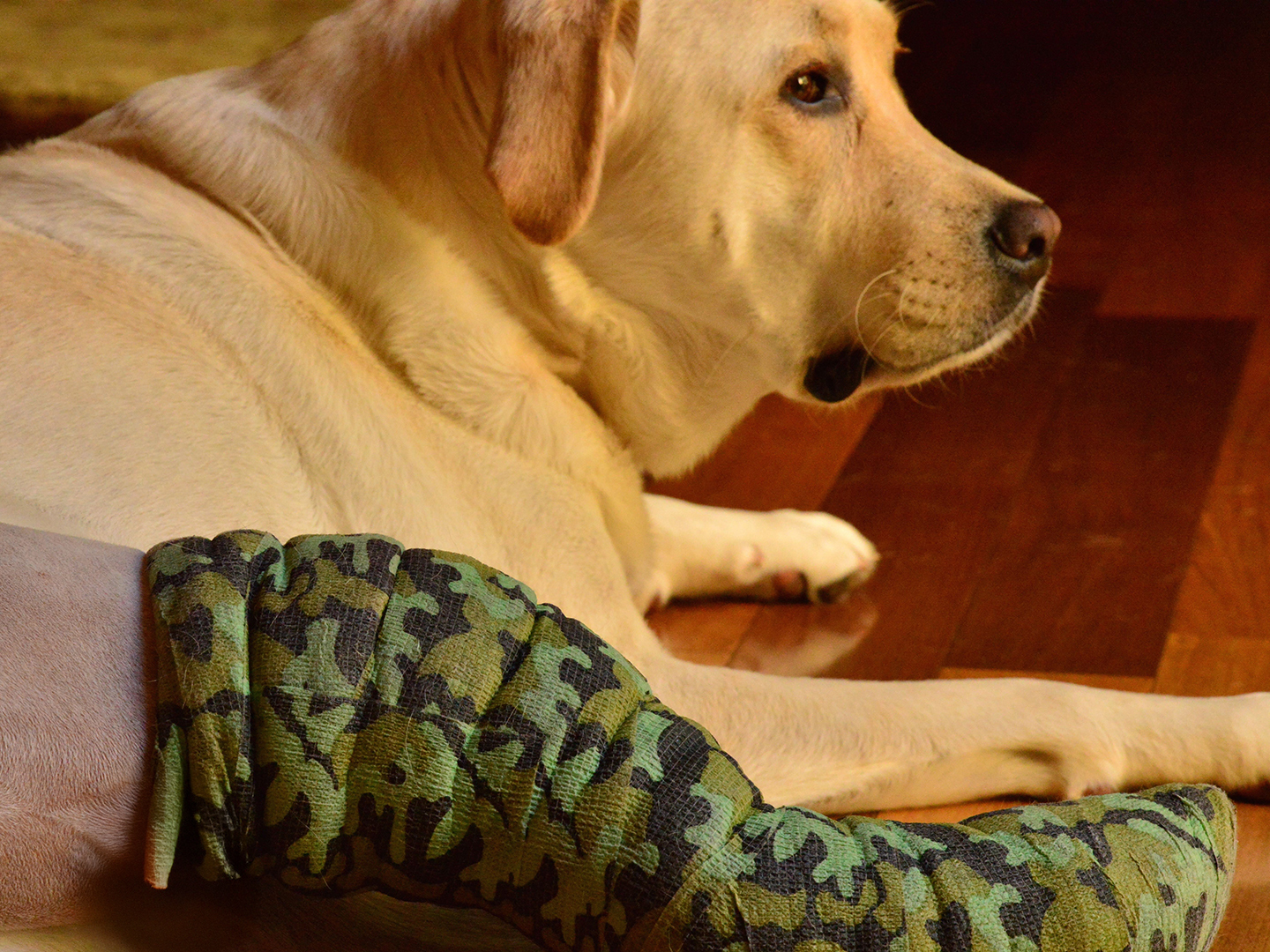
Understanding the CCL Tear and the TPLO Solution
To understand why recovery is so intensive, we first need to understand what happened inside your pet’s knee. Unlike humans who typically tear their ACL through a sudden sports injury, dogs often experience a progressive degeneration of the CCL. This ligament is responsible for stabilizing the knee joint, preventing the tibia (shin bone) from sliding forward relative to the femur (thigh bone). When this ligament fails, every step causes painful shearing forces within the joint.
TPLO surgery takes a unique approach. Rather than trying to replace the ligament, the surgeon essentially changes the biomechanics of the knee. By rotating the top of the tibia (the plateau), they eliminate the need for the ligament altogether. The bone is then secured in its new position with a specialized plate and screws. Because we are dealing with a surgical fracture that must heal, the recovery process is non-negotiable. If you are curious about the initial injury, learning more about an ACL injury in dogs treatment and prevention can provide valuable context for the road ahead.
The First 48 Hours: The Critical Transition
The first few days after bringing your pet home from the hospital can be the most stressful. Your pet will likely be groggy from anesthesia, potentially sporting a large bandage, and definitely feeling the effects of the procedure. During this time, your primary goal is pain management and quietude. Your veterinarian will provide a strict schedule of medications, including anti-inflammatories, pain relievers, and sometimes sedatives to keep high-energy dogs calm.
It is vital to create a recovery suite. This should be a small, confined area—like a crate or a small laundry room—with non-slip flooring. Slippery hardwood or tile can lead to disastrous slips that put too much stress on the new hardware. Many owners find that yoga mats or interlocking foam tiles are a lifesaver during this period. Remember, your pet is at their most vulnerable now, and parenting your furry friends requires extra patience during these early postoperative days.
Managing the Incision Site
You must check the incision at least twice a day. Normal healing involves a clean, dry line with perhaps some mild bruising or slight redness. However, you must be vigilant for red flags such as:
- Excessive swelling or a hard lump forming near the joint.
- Discharge that is yellow, green, or foul-smelling.
- The pet showing sudden, intense interest in licking the area.
- Gaps appearing between the sutures or staples.
The infamous “Cone of Shame” or E-collar is your pet’s best friend, even if they act like it is their worst enemy. Just a few seconds of licking can introduce bacteria that lead to deep-seated bone infections, which can be catastrophic for the implants.
The Long Haul: The Eight-Week Rest Period
TPLO recovery is a marathon, not a sprint. For the first eight weeks, activity must be strictly restricted. This means no running, no jumping on the couch, and absolutely no off-leash time. Even if your pet feels great after week three because the pain has subsided, the bone has not yet fully fused. Over-activity at this stage is the leading cause of implant failure or tibial tuberosity fractures.
Instead of physical exercise, focus on mental stimulation. Use puzzle feeders, licking mats, or scent games to keep their brain busy while their body heals. Short, controlled, slow-motion leash walks for bathroom breaks are the only movement allowed. These walks should be on flat, stable ground. If your pet is a “puller,” consider using a harness rather than a neck collar to maintain better control over their center of gravity.
The Role of Physical Rehabilitation
Once the initial inflammatory phase has passed (usually around week two), many surgeons recommend beginning professional physical therapy. This can include hydrotherapy (underwater treadmills), laser therapy, and passive range-of-motion exercises. These therapies are designed to prevent muscle atrophy and ensure the joint remains supple without putting weight-bearing stress on the healing bone.
At home, you might be tasked with gentle massages or icing the joint. Icing is particularly effective in the first week to reduce swelling, while heat therapy may be introduced later to encourage blood flow to the healing tissues. Always follow your surgeon’s specific timeline, as every dog heals at a slightly different pace.
Supporting Long-Term Joint Health
Even after the bone has healed and your pet is cleared for normal activity, the journey isn’t truly over. A CCL tear often leads to some degree of osteoarthritis within the joint. To keep your pet comfortable for the long term, you should look into simple ways to help pets stay mobile and comfortable as they age.
Weight management is perhaps the most critical factor. Every extra pound puts significant strain on both the surgical knee and the “good” knee. It is a sobering statistic that up to 50% of dogs who tear one CCL will tear the other within a year or two. Maintaining a lean body condition is the best insurance policy you can provide. Additionally, high-quality joint supplements containing Glucosamine, Chondroitin, and Omega-3 fatty acids can help support the cartilage health in the remaining joints.
People Also Ask (FAQ)
How long does it take for a dog to walk normally after TPLO?
Most dogs will begin to touch their toe down and put light weight on the leg within 7 to 10 days post-surgery. However, a “normal” gait without a limp typically takes 8 to 12 weeks, depending on the individual pet’s healing rate and the consistency of their rehabilitation.
What is the success rate of TPLO surgery?
TPLO has an incredibly high success rate, with over 90% of owners reporting that their pets return to a high level of activity and function. Complications are generally low when postoperative instructions are followed meticulously.
Can I leave my dog alone during TPLO recovery?
During the first few weeks, it is best not to leave your pet unattended for long periods unless they are securely confined in a crate or a safe room where they cannot jump or run. If they are prone to anxiety, you may need to discuss calming aids with your vet to prevent them from hurting themselves while you are away.
Is TPLO better than traditional lateral suture surgery?
For large, active dogs, TPLO is generally considered superior because it provides better long-term stability and results in less progression of arthritis compared to the lateral suture technique. For very small or sedentary dogs, the lateral suture may still be a viable option.
Expert Verdict: A Commitment to Care
The road to recovery after TPLO surgery is demanding, both emotionally and physically. It requires a transformation of your home environment and a total shift in your daily routine. However, the reward—seeing your pet run across a field or jump for a ball without pain—is immeasurable. The surgery provides the mechanical fix, but your care provides the healing environment. By staying vigilant for complications, strictly enforcing rest, and supporting long-term joint health through nutrition and weight management, you are giving your pet the best possible chance at a second lease on an active life. Trust the process, lean on your veterinary team, and remember that every day of restricted movement is a step closer to a lifetime of pain-free adventures.


