Your dog is a master of communication, even if they never say a word. While they certainly recognize their name and get excited at the mention of a treat or a walk, their primary mode of expression is non-verbal. For centuries, humans and dogs have lived side-by-side, yet many pet parents still struggle to accurately interpret what their furry companions are trying to tell them. Understanding dog body language is more than just a fun skill; it is a fundamental part of being a responsible pet owner. It allows you to recognize when your pet is feeling happy, anxious, fearful, or even unwell, long before their behavior escalates into a problem. By learning to read these subtle cues, you can respond with the appropriate care, whether that means providing extra cuddles or giving them the space they desperately need. This comprehensive guide will walk you through the nuances of canine communication, helping you build a deeper, more empathetic bond with your four-legged best friend.
The Science of the Wag: More Than Just Happiness
One of the most common misconceptions in the world of pet ownership is that a wagging tail always signifies a happy dog. In reality, the tail is a complex communication tool that can convey a wide range of emotions depending on its height, speed, and even the direction of the wag. Recent studies in canine cognition have shown that the lateralization of a tail wag—whether it leans more to the left or the right—can actually indicate how a dog is processing an emotion. A wag favoring the right side often indicates positive feelings, while a wag to the left can suggest anxiety or a desire to withdraw. When observing your dog, look for the ‘full body wag’ where the movement starts at the shoulders; this is a true sign of joy. Conversely, a high, stiff, and fast-moving tail (often called a ‘flagging’ tail) is a sign of high arousal and may precede aggression. If you notice a sudden drop in your dog’s typical enthusiasm or a tail tucked tightly between the legs, you might find yourself asking, is my dog depressed? Understanding these nuances is the first step in addressing your dog’s emotional needs.
Body Posture: Reading the Billboard
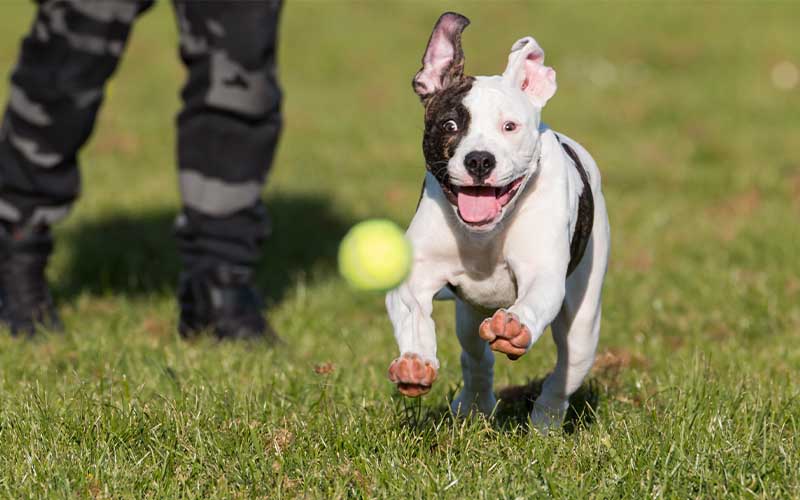
A dog’s entire body acts as a billboard for their current emotional state. A relaxed, happy dog will have a ‘loose’ appearance, with soft muscles and a weight distributed evenly across all four paws. One of the most recognizable postures is the ‘play bow,’ where a dog lowers their front end while keeping their rear in the air. This is a universal invitation to have fun and a signal that any following ‘rough’ behavior is just a game. However, shifts in posture can happen quickly. A dog that suddenly freezes or becomes ‘stiff’ is often reacting to a perceived threat or intense interest. This ‘stiffness’ is a warning sign that the dog is on high alert. On the other end of the spectrum is the cowering or hunching posture, where a dog tries to make themselves look as small as possible. This is a clear indicator of fear or submission. In environments where multiple animals live together, understanding these subtle shifts is vital, and often requires expert dog training for multi-pet homes to ensure that every animal feels safe and respected within the pack hierarchy.
Facial Expressions: The Eyes and Ears
While dogs don’t have the same range of facial muscles as humans, their faces are incredibly expressive. Pet parents should pay close attention to the eyes. ‘Whale eye,’ where the whites of the eyes are visible, is a classic sign of stress or guarding. It often occurs when a dog is feeling cornered or pressured. Conversely, ‘soft eyes’ with relaxed lids indicate a state of calm and trust. The mouth also offers significant clues. A ‘relaxed open mouth’—often looking like a canine smile—is a sign of a happy dog, but be careful not to confuse this with heavy panting. If a dog is panting while not overheated or after exercise, it is a primary symptom of stress. Ears are another vital component; while ear shapes vary by breed, the general rule is that relaxed ears are in a ‘neutral’ position. Ears pinned back flat against the head signify fear or extreme submission, while ears pricked forward show intense focus or potential dominance.
The Critical Link Between Behavior and Health
Often, a change in a dog’s body language is the first symptom of a medical issue. Dogs are evolutionarily programmed to hide pain, so they won’t always whine or limp when something is wrong. Instead, you might see subtle changes in their mood or posture. A dog that previously loved being petted but now flinches when touched may be experiencing joint pain or skin sensitivity. Similarly, a dog that becomes suddenly lethargic or stops engaging in their favorite activities might be dealing with internal discomfort. Subtle shifts in behavior, such as reluctance to move or heavy panting without cause, can sometimes be early indicators of serious conditions like heart disease in dogs. By being an expert on your dog’s ‘normal’ body language, you become the first line of defense in catching health problems before they become emergencies. If you observe consistent negative shifts in mood—such as pacing, trembling, or sudden aggression—consulting a veterinarian is essential to rule out underlying physical distress.
Proactive Strategies for a Happier Dog
Once you can accurately read your dog’s moods, you can take active steps to improve their emotional well-being. Routine is the cornerstone of canine confidence. When a dog knows when to expect their meals, walks, and rest, their cortisol levels remain lower. Physical exercise is equally important; a ‘sniffari’ (a walk where the dog is allowed to lead with their nose) provides more mental exhaustion than a brisk run, as sniffing lowers a dog’s heart rate and calms their nervous system. Interactive play, such as hide-and-seek or food puzzles, can also redirect a dog’s focus away from stressors like thunderstorms or construction noise. Finally, never underestimate the power of your own voice. Dogs are incredibly sensitive to the pitch and volume of human speech. Using a calm, low-frequency tone can help soothe an anxious dog, while a high-pitched ‘happy’ voice is perfect for rewarding positive behaviors. Building this two-way communication channel ensures that your dog feels heard and understood, which is the ultimate goal of any pet parent.
Expert Review and Verdict
Experts in animal behavior agree that the most successful pet-human relationships are built on a foundation of mutual communication. The ‘verdict’ from leading behaviorists is clear: we must stop projecting human emotions onto dogs and start learning their specific biological language. While it is tempting to say a dog looks ‘guilty’ after chewing a shoe, they are actually showing signs of fear and submission in response to their owner’s angry tone. By shifting our perspective to view behavior through a canine lens, we can reduce animal stress and increase the safety of our homes. Consistency, patience, and a keen eye for detail are the best tools any pet parent can possess.
Frequently Asked Questions
- Why does my dog yawn when I am scolding them? This is a ‘displacement behavior.’ Dogs yawn to self-soothe and to signal to you that they are not a threat. It is a sign of stress, not boredom.
- What does it mean when a dog licks their lips frequently? If there is no food around, lip licking is a classic sign of anxiety or discomfort. They are trying to communicate that they feel uneasy about the current situation.
- How can I tell the difference between play and a real fight? Look for the ‘play bow’ and ‘bouncy’ movements. Real aggression is usually characterized by stiff bodies, low growls, and very focused, efficient movements without the ‘exaggerated’ nature of play.
- Does a tucked tail always mean fear? Usually, yes, but in some breeds like Greyhounds, a naturally low tail set can be mistaken for tucking. Always look at the rest of the body for context.
- Why does my dog lean against my legs? This is often a sign of affection and trust, essentially a ‘canine hug.’ However, in some contexts, it can also be a way for an anxious dog to seek physical reassurance from their pack leader.
Conclusion
Mastering the art of reading dog body language is a journey, not a destination. Each dog is an individual with their own ‘accent’ and unique way of expressing themselves. By paying close attention to the combination of tail movement, body posture, facial expressions, and vocalizations, you gain a window into your dog’s soul. This understanding allows you to provide a higher quality of life, preemptively manage stress, and identify health issues earlier. Remember, your dog is always talking to you; the question is, are you truly listening? With the right knowledge and a little bit of practice, you can transform your relationship from one of simple cohabitation to a profound, lifelong partnership built on true understanding.


