There is a special kind of connection that happens when you look into your dog’s eyes. It is a silent language of trust, loyalty, and deep-seated affection. As someone who has spent years around exotic animals and domestic pets alike, I have learned that those expressive eyes are not just windows to their souls—they are also critical indicators of their overall health. One of the most heartbreaking yet manageable conditions we face in the veterinary world is canine glaucoma. It is a thief of sight, often creeping in quietly before making its presence known through pain and pressure. However, being diagnosed with glaucoma is not a death sentence for your pet’s happiness. In fact, with the right knowledge and a proactive approach, your furry companion can continue to lead a vibrant, joyful life even if their vision changes.
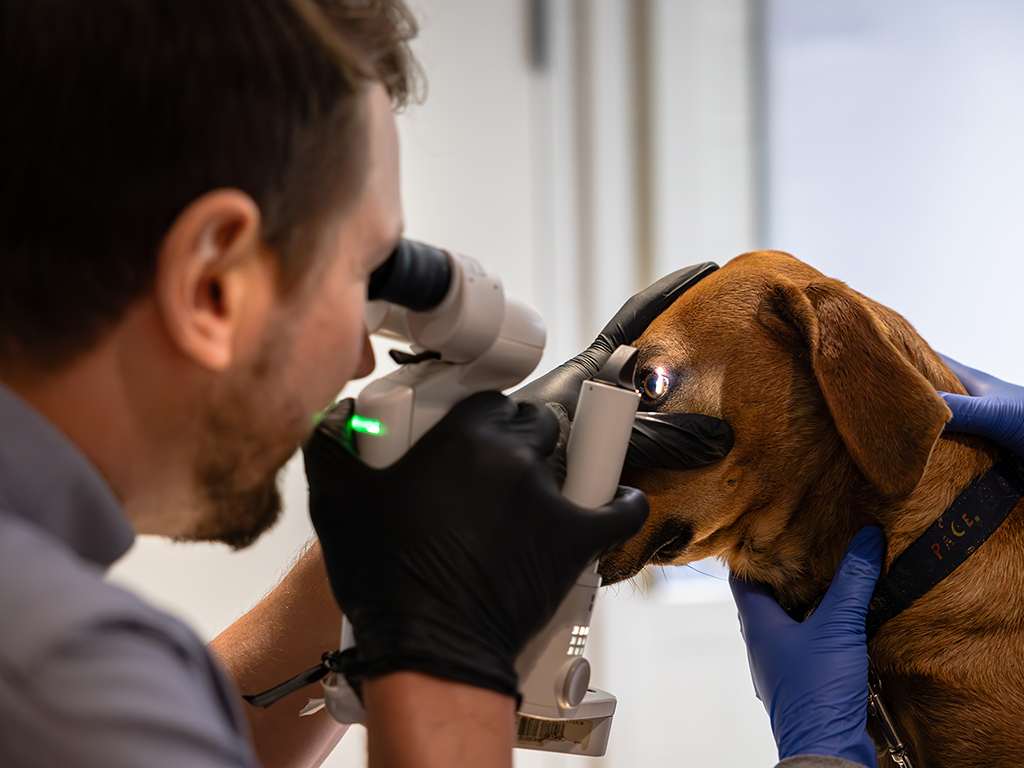
To truly understand canine glaucoma, we have to look at the mechanics of the eye. Think of the eye as a delicate pressurized system. Inside the eye, a clear fluid called aqueous humor is constantly being produced and drained. This fluid provides nutrients to the ocular tissues and maintains the eye’s shape. In a healthy dog, the production and drainage are perfectly balanced. However, when the drainage system fails—much like a clogged sink—the fluid builds up, causing the intraocular pressure (IOP) to skyrocket. This internal pressure is what defines glaucoma. Unlike humans, who can sometimes have high pressure without immediate nerve damage, dogs are particularly sensitive. In our canine friends, elevated pressure almost always leads to rapid damage of the retina and the optic nerve, which can lead to permanent blindness if not addressed immediately.
The Two Faces of Glaucoma: Primary vs. Secondary
Not all glaucoma is created equal. Veterinarians generally categorize the condition into two types: primary and secondary. Understanding which one your dog is facing is key to managing their long-term care. Primary glaucoma is almost always tied to genetics. It occurs when a dog is born with a physical predisposition that eventually hinders the eye’s ability to drain fluid. This is why certain breeds are frequently seen in the ophthalmologist’s office. If you are a parent to a Cocker Spaniel, Basset Hound, Beagle, Boston Terrier, or a French Bulldog, you should be particularly vigilant. Because it is genetic, primary glaucoma often eventually affects both eyes, even if it starts in just one.
Secondary glaucoma, on the other hand, is the result of another underlying issue. It is essentially a complication of a different ocular problem. Common triggers include retinal detachment, severe internal inflammation (uveitis), intraocular tumors, or even infectious diseases. Sometimes, the lens of the eye can become unstable and shift, physically blocking the drainage angle. Regardless of whether the cause is genetic or secondary, the result is the same: painful pressure that requires urgent intervention. This is why recognizing critical health warnings early can be the difference between saving a dog’s sight and transitioning them to a life of blindness.
How to Spot the Warning Signs
Dogs are masters of masking their pain. In the wild, showing weakness is a liability, and our domestic companions have retained much of that instinct. This makes it difficult for owners to realize just how much discomfort their pet is in. When it comes to glaucoma, the signs can be subtle at first. You might notice the white part of the eye—the sclera—turning a deep, beet-red color. The cornea, which should be crystal clear, may take on a cloudy, bluish-gray hue. This cloudiness is actually edema, or fluid buildup within the layers of the cornea caused by the high internal pressure.
Pay close attention to behavioral changes as well. A dog in the throes of a glaucoma flare-up is often in significant pain. They may squint, keep their eye tightly shut, or paw at their face. Some dogs become lethargic, lose their appetite, or stop wanting to play. Because the pressure feels like a localized, intense migraine, your dog might even vocalize or shy away when you try to pet their head. If you see any combination of redness, cloudiness, and behavioral distress, it is time for an emergency vet visit. Time is of the essence; intraocular pressure can reach damaging levels in a matter of hours, not days.
Modern Treatment and the Role of Veterinary Specialists
Once a diagnosis is confirmed through tonometry (a painless test that measures the pressure inside the eye), your vet will likely start an aggressive treatment plan. The immediate goal is always to lower the pressure to a safe level to prevent further nerve damage. This is typically achieved through topical medications. These specialized eyedrops either reduce the amount of fluid produced or help open up the drainage pathways. In many cases, these drops must be administered multiple times a day for the rest of the dog’s life.
As medical technology evolves, advancements in veterinary medicine have introduced surgical options like laser therapy, which can help destroy some of the fluid-producing cells. However, glaucoma is a progressive and often stubborn disease. There may come a point where medications no longer work, and the eye remains a source of constant, throbbing pain. In these instances, veterinarians often recommend enucleation—the surgical removal of the affected eye. While this sounds drastic and scary to owners, it is often the kindest choice for the dog.
The Reality of Life After Surgery
One of the most common things I hear from pet owners is the fear that their dog will be “broken” or depressed after losing an eye. I want to reassure you: the exact opposite is usually true. Most owners report that their dogs act like puppies again within days of the surgery. Why? Because the source of their chronic, debilitating pain is finally gone. Dogs do not have the same hang-ups about their physical appearance that humans do. They don’t look in the mirror and feel sad; they simply feel better. A dog with one eye—or even no eyes—can navigate their home, go for walks, and play fetch just as well as any other dog, relying on their incredible senses of smell and hearing to map out their world.
People Also Ask: Common Questions About Canine Glaucoma
Can canine glaucoma be cured?
Technically, no. Glaucoma is a condition that is managed rather than cured. While treatments can control the pressure and delay vision loss, the underlying tendency for the eye to drain improperly usually remains. However, with consistent care, many dogs keep their vision for years.
How fast does glaucoma progress?
It can happen incredibly fast. Acute glaucoma is a true medical emergency. Pressure can spike high enough to cause permanent blindness within 24 to 48 hours. This is why you should never “wait and see” if an eye looks red or cloudy.
Are there home remedies for dog glaucoma?
No. Glaucoma requires professional veterinary intervention and prescription medications. Attempting to treat it at home with over-the-counter drops or natural remedies can lead to unnecessary suffering and accelerated blindness.
Final Thoughts and Actionable Steps
Dealing with a glaucoma diagnosis can be an emotional rollercoaster. It involves frequent vet visits, expensive medications, and the potential for surgery. But as a pet parent, your primary mission is your dog’s quality of life. By staying observant and acting quickly at the first sign of trouble, you can mitigate the pain associated with this condition. Remember that your dog’s value isn’t found in their eyesight, but in their spirit. Even a blind dog can lead a full, adventurous life as long as they are surrounded by love and a safe environment.
As part of your annual health screenings, ask your veterinarian to perform a baseline pressure check, especially if your dog belongs to a high-risk breed. Early detection is your strongest weapon. If you are currently managing a dog with glaucoma, stay diligent with their drops and keep a close eye on their behavior. You are their advocate, and with your help, they can navigate this challenge with a wagging tail and a pain-free life.


