Understanding the sensory world of a guinea pig is the key to providing a truly enriched life for these beloved small mammals. As prey animals that evolved in the rugged terrain of the Andes, guinea pigs have developed a unique sensory toolkit designed primarily for survival, predator detection, and social bonding. While we often view the world through a human-centric lens, a cavy’s reality is defined by a 340-degree field of vision, the ability to hear ultrasonic frequencies, and a scent-driven social hierarchy. In this comprehensive guide, we delve into the latest 2024 biological research and veterinary insights to explain exactly how your guinea pig perceives their environment. From the way they map out their habitats in the dark to the specific flavors that trigger their highly developed taste buds, unlocking these secrets will help you better communicate with your pets and build a bond based on mutual understanding and trust.
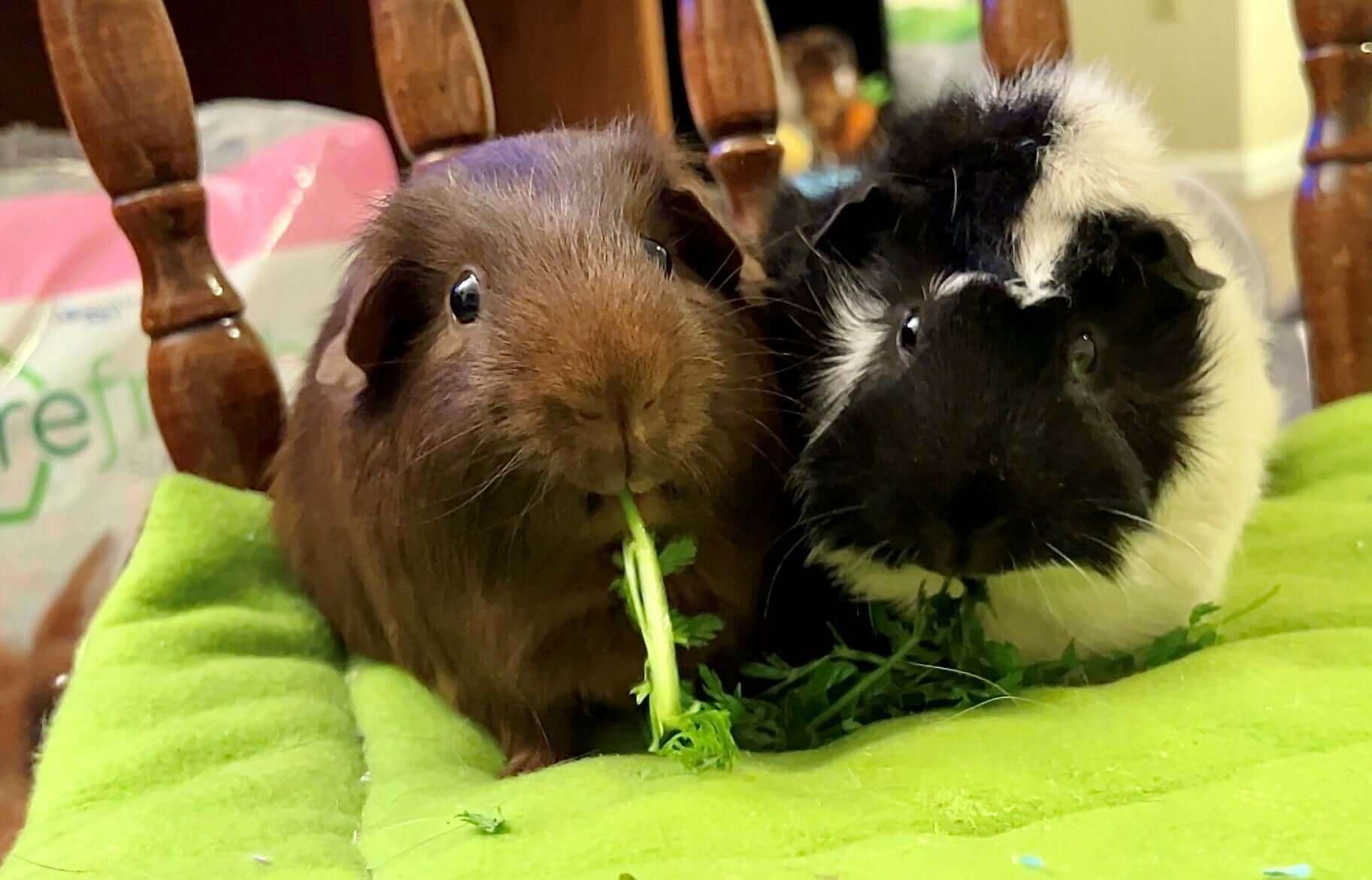
The most debated aspect of guinea pig biology is undoubtedly their eyesight. For years, pet owners assumed cavies lived in a blurry, monochromatic world. However, modern veterinary ophthalmology has confirmed that guinea pigs are dichromatic. This means they possess two types of color-detecting cone cells in their eyes, allowing them to see wavelengths corresponding to yellow and blue, along with various shades and hues derived from them. While they lack the third cone cell that allows humans to see red, their ability to distinguish colors is essential for identifying nutrient-rich vegetation in the wild. Despite this color awareness, their vision is not as vivid as ours; rather, it is optimized for high contrast and movement detection, which are vital for spotting a hawk in the sky or a cat across the room.
The Panoramic Advantage: 340-Degree Vision
One of the most remarkable physiological traits of the guinea pig is the placement of their eyes. Situated on the sides of the head, their eyes provide a 340-degree field of view. To put this in perspective, humans generally only see about 180 degrees without turning their heads. This panoramic vision allows a guinea pig to monitor the horizon and the sky simultaneously. This is why a cavy may suddenly ‘freeze’ or dash for cover even if an object is approaching from behind or above. Recent behavioral studies in 2023 suggest that this wide-angle view is so sensitive that cavies can detect the slight change in light patterns caused by a closing door or a passing shadow long before the human ear picks up any sound.
However, this wide-angle advantage comes with a trade-off: poor depth perception. Because their eyes do not overlap as much as ours do, they struggle to judge distances. This is a critical safety point for owners; a guinea pig on a high bed or sofa may genuinely believe they are only a few inches from the floor and attempt a dangerous jump. Furthermore, their visual acuity is limited. They can only see objects clearly within a range of 12 to 16 inches. Beyond 5 or 6 feet, the world becomes a blur of movement. If you find your guinea pig staring intensely at a wall or a corner, they are likely tracking a minute movement or a play of light that your eyes have simply filtered out.
The Ultrasonic World: Guinea Pig Hearing
While their eyesight might be limited by distance, their hearing is nothing short of extraordinary. Human hearing typically caps out at around 20,000 Hz, but guinea pigs can perceive frequencies up to 33,000 Hz or even higher. This ability to hear into the ultrasonic range allows them to detect the high-pitched rustle of a predator in the grass or the subtle squeaks of their herd mates. This explains the legendary ‘refrigerator effect’: your cavy isn’t just guessing that the salad drawer is opening; they are hearing the specific high-frequency vibration of the plastic crisper drawer or the crinkle of a vegetable bag from rooms away.
Expert reviews from 2024 emphasize that because their hearing is so sensitive, cavies are highly susceptible to acoustic stress. Constant loud noises, such as a television at high volume or proximity to loud appliances, can lead to increased cortisol levels in guinea pigs. Conversely, they can distinguish between individual human voices. Many owners report that their pigs only ‘wheek’ for the person who usually feeds them, demonstrating an ability to categorize sounds based on social and survival outcomes. To keep your cavy comfortable, experts recommend a quiet living environment and avoiding sudden sharp noises like handclaps or loud bangs, which can trigger their instinctive flight response.
The Power of Scent and the Jacobson’s Organ
A guinea pig’s sense of smell is their primary tool for social identification. Cavies possess a highly developed olfactory system, including a vomeronasal organ (Jacobson’s organ) located in the roof of the mouth. This allows them to ‘taste-smell’ pheromones, which tells them everything they need to know about another guinea pig’s health, gender, and social status. This is why they can recognize you instantly. While a stranger might smell ‘threatening’ or ‘unknown,’ your scent is associated with safety, food, and companionship.
In 2024, sensory enrichment has become a major trend in cavy care. Experts suggest providing various ‘scent trails’ using dried herbs like basil, cilantro, or mint to stimulate their foraging instincts. Because smell is so integral to their security, it is also advised not to scrub every single item in their cage at the same time. Leaving a small piece of old bedding or a familiar wooden hideout helps maintain the ‘scent profile’ of their home, reducing anxiety after a deep clean. This olfactory-first approach to life is why your guinea pig will often sniff your hand before allowing a head scratch—they are verifying your identity via their internal database of familiar smells.
Tactile Navigation: The Role of Whiskers
Guinea pigs use their whiskers, or vibrissae, as sophisticated measuring tools. These specialized hairs are deeply embedded in the skin and connected to a dense network of nerves. In the wild, whiskers are used to navigate dark burrows and tunnels. If the whiskers touch the sides of an opening, the guinea pig knows the space is too narrow for their body. This tactile sense is so refined that they can detect air currents and vibrations, providing a ‘tactile map’ of their immediate surroundings. This is the secret to how they zip through their enclosures in total darkness without bumping into their hay racks or water bottles. Their whiskers also serve a protective function for their eyes, triggering a blink reflex if something gets too close to their face while they are foraging through hay.
Taste Buds and Dietary Preferences
The tongue of a guinea pig is a marvel of evolutionary biology, packed with thousands of taste buds. They have a natural affinity for sweetness, which in the wild would lead them to ripe, calorie-dense fruits and vitamin-rich plants. However, they also possess a keen ability to detect bitterness, which serves as a natural defense against eating toxic plants. Interestingly, guinea pigs are known for neophobia—a fear of new things, including food. This is why they may hesitate when you introduce a new vegetable. They will sniff it, give it a cautious lick, and then decide if it passes the taste test. Once a guinea pig accepts a flavor, they often become very picky, showing clear preferences that vary from one individual to another. Providing a variety of textures and flavors is essential for preventing boredom and ensuring a balanced intake of Vitamin C, which their bodies cannot produce naturally.
Expert Review and Verdict
After analyzing the sensory capabilities of the domestic cavy, the verdict from veterinary experts is clear: Guinea pigs are sensory specialists. They do not rely on any one sense but rather integrate a suite of inputs to create a cohesive picture of their world. Their vision provides the ‘early warning system,’ their hearing provides the ‘detail,’ and their smell and whiskers provide the ‘navigation.’ When we understand that their behavior is a direct result of these sensory inputs, we can become better caretakers. Providing ‘low-light’ areas for sleeping, high-frequency-friendly environments, and scent-stable habitats is the hallmark of modern, high-standard cavy husbandry in 2024.
Frequently Asked Questions (FAQ)
- Can guinea pigs see in total darkness? While they cannot see in complete darkness, they use a combination of their whiskers, scent memory, and a mental ‘spatial map’ to navigate. They are crepuscular, meaning they are most active during dawn and dusk when light levels are low, and their eyes are well-adapted for these conditions.
- Do guinea pigs like listening to music? Many cavies enjoy soft, melodic sounds. Studies have shown that classical music or nature sounds can have a calming effect, while heavy bass or sudden loud percussion can be distressing.
- Why does my guinea pig sniff my face? They are identifying you through your unique scent. They may also be checking for any smells of food you recently ate or other animals you have touched.
- How many taste buds do guinea pigs have? While the exact number varies, cavies have a highly developed sense of taste with thousands of taste buds, allowing them to distinguish between complex flavors and textures in their forage.
- Can guinea pigs see colors other than yellow and blue? They mostly see the world in shades of yellow, blue, and gray. They struggle to see reds and greens as distinct colors, much like a human with red-green color blindness.
Conclusion
The sensory life of a guinea pig is far more complex and vibrant than it appears at first glance. By appreciating their 340-degree vision, their ultrasonic hearing, and their sophisticated scent-based social lives, we can create environments that cater to their natural instincts. Whether it’s ensuring their ramps are safe for their limited depth perception or introducing new herbs to stimulate their incredible sense of smell, every small adjustment makes a world of difference. As we move through 2024, the focus on sensory enrichment continues to grow, proving that a happy guinea pig is one whose senses are engaged, respected, and understood.


