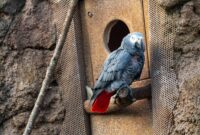
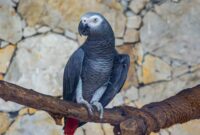
What to consider before buying an exotic bird is a question that should pop up the moment you spot that vibrant macaw or dazzling cockatoo in a pet store window. The sparkle of its feathers and the promise of a feathered companion can be intoxicating, but behind the initial allure lies a cascade of responsibilities that many first‑time owners overlook. Before you sign any paperwork or hand over cash, pause and ask yourself if you truly understand what you’re signing up for. This article will walk you through the essential factors, so you can make an informed decision that benefits both you and the bird.
First and foremost, an exotic bird is not a simple accessory; it’s a living creature with complex needs that span legal, ethical, spatial, nutritional, and emotional realms. The excitement of bringing home a new pet can sometimes blind us to the long‑term commitments required, from daily care routines to years—sometimes decades—of companionship. By breaking down each consideration, you’ll see how each piece fits into the larger puzzle of responsible ownership.
Secondly, many prospective owners are unaware of the regulatory landscape governing exotic birds. Certain species are protected under international treaties, while others may be restricted or outright illegal to keep in your state or country. Ignoring these rules can lead to hefty fines, confiscation of the bird, or even criminal charges. Understanding the legal framework is the first line of defense against unintentional wrongdoing.
Beyond legality, there’s an ethical dimension that often goes unnoticed. The exotic bird trade has a dark side, involving illegal poaching, habitat destruction, and inhumane transport conditions. Choosing a reputable breeder or rescue organization can make a huge difference, ensuring that the bird you bring home was not part of a harmful supply chain. Ethical sourcing aligns your love for birds with a commitment to conservation.
Finally, your lifestyle, living space, and personal experience with birds will dictate whether an exotic bird is a good match for you. A bustling household with small children, limited indoor space, or a demanding work schedule may not provide the stable environment that these intelligent avians require. Reflecting on your day‑to‑day routine and long‑term plans will help you gauge if you can meet the bird’s needs without compromising its welfare.
Legal and Ethical Considerations
When you ask what to consider before buying an exotic bird, the first answer should always be the legalities involved. Different countries, and often different states within a country, have their own lists of protected species under laws like the Convention on International Trade in Endangered Species of Wild Fauna and Flora (CITES). Before you even step foot in a pet shop, verify that the species you’re eye‑seeing is not prohibited or requires special permits. A quick check with your local wildlife authority can save you from costly legal trouble later.
In addition to national regulations, municipal ordinances can also restrict the ownership of certain birds. Some cities ban noisy species such as cockatoos or large parrots due to noise complaints, while others have zoning rules that limit the number of animals per household. It’s wise to consult your city’s animal control department or homeowners’ association guidelines early in the decision‑making process.
Ethical considerations run parallel to legal ones. The exotic bird market has long been plagued by illegal capture and smuggling, which threaten wild populations and ecosystems. By purchasing from a reputable breeder who can provide documentation of captive breeding, you help diminish the demand for wild‑caught birds. Look for certifications, such as those from the Avian Welfare Association, that demonstrate adherence to humane breeding standards.
Rescues and sanctuaries present another ethical avenue. Many exotic birds end up in shelters because owners can no longer meet their needs. Adopting a bird from a rescue not only gives it a second chance but also reduces the pressure on breeding facilities. However, rescued birds may come with their own set of challenges, such as trauma or behavioral issues, which you should be prepared to address.
Finally, consider the broader impact of your choice on conservation efforts. Some breeders contribute a portion of their profits to habitat preservation projects, while others participate in breeding programs aimed at re‑establishing endangered species in the wild. Supporting such initiatives can turn your hobby into a force for good, aligning personal enjoyment with global biodiversity goals.
Space, Habitat, and Enrichment Needs
One of the most immediate practical questions that arises when you ponder what to consider before buying an exotic bird is the amount of space the bird will truly need. Unlike small songbirds that can thrive in modest cages, larger parrots such as macaws or Amazon parrots require spacious aviaries that allow for full wing extension and daily flight. A cramped environment can lead to stress, feather plucking, and a host of health problems.
Beyond sheer size, the design of the habitat matters immensely. The cage should be constructed from non‑toxic materials, have sturdy bar spacing to prevent escape, and provide multiple perches of varying diameters to promote foot health. Adding natural branches, ropes, and safe toys mimics the bird’s native environment and encourages natural foraging and climbing behaviors.
Enrichment is not a luxury; it’s a necessity for intelligent birds that can become bored quickly. Daily mental stimulation can be provided through puzzle feeders, foraging toys, and training sessions that teach simple tricks or vocalizations. Rotating toys every few days keeps the environment fresh and prevents repetitive behavior that could otherwise turn into destructive habits.
Lighting and temperature also play a crucial role in an exotic bird’s wellbeing. Many species require exposure to natural sunlight or full‑spectrum UV lighting to synthesize vitamin D3, which is essential for calcium metabolism. Maintaining a stable temperature range, typically between 70°F and 85°F (21°C‑29°C), helps avoid respiratory issues and keeps the bird comfortable.
Lastly, consider the location of the cage within your home. Birds are sensitive to drafts, sudden noises, and excessive humidity. Placing the enclosure in a quiet, well‑ventilated area away from direct sunlight and kitchen fumes will create a stable environment. Moreover, positioning the cage at eye level can foster interaction, reinforcing the bond between you and your feathered friend.
Space, Habitat, and Enrichment Needs
Melanjutkan pembahasan sebelumnya, one of the most tangible factors when you ask yourself “What to consider before buying an exotic bird?” is the physical space you can realistically provide. Exotic birds are not content with a standard cage perched in a corner; they need a room‑scale aviary or at least a large flight enclosure that mimics the three‑dimensional world they are evolutionarily designed for. A good rule of thumb is to offer a minimum of 1.5 square feet of floor space per inch of wingspan, but many experts recommend even more. This ensures the bird can stretch its wings fully, practice natural flight patterns, and avoid the musculoskeletal problems that arise from chronic confinement.
Beyond sheer size, the habitat must incorporate vertical elements, perches of varying diameters, and natural textures. Birds love to climb, hop, and explore different heights, so installing a mix of sturdy branches, rope ladders, and textured panels can prevent boredom and promote healthy foot muscles. Remember that the perches should be made from untreated wood or natural branches; plastic or metal perches can cause pressure sores and be detrimental to a bird’s foot health over time. The placement of these elements should encourage movement, offering a gentle gradient that lets the bird transition from low perches to higher platforms without risk of injury.

Enrichment is the lifeblood of a captive exotic bird’s mental well‑being. In the wild, these birds spend hours foraging, solving puzzles, and interacting with their environment. Replicating this in a home setting can be as simple as rotating toys, providing foraging opportunities with hidden treats, or introducing safe, chewable objects like untreated natural wood. Puzzle feeders that require the bird to manipulate a mechanism before accessing food stimulate problem‑solving skills and can dramatically reduce stress‑induced feather plucking. Aim to change the layout or introduce a new enrichment item at least once a week; this keeps the environment dynamic and prevents the bird from falling into a rut.
Temperature and humidity control are also vital components of a proper habitat. Many exotic species hail from tropical regions where temperature hovers between 75‑85°F (24‑29°C) and humidity levels are consistently high. If your home climate deviates significantly, you’ll need to invest in a reliable heating system, such as a ceramic heat emitter, and a humidifier or misting system to maintain the appropriate moisture levels. Fluctuations can lead to respiratory infections, feather loss, and weakened immune systems, all of which add to the long‑term health care costs you must anticipate.
Lastly, consider the location of the enclosure within your home. A quiet corner away from drafts, direct sunlight, and household traffic will provide a sanctuary where the bird feels safe. However, it should also be placed where the bird can observe daily family activity, fostering social interaction without feeling threatened. Balancing privacy with exposure is key; an enclosure that’s too secluded can lead to isolation, while a spot that’s overly busy may cause chronic stress. This delicate equilibrium is another essential point in answering “What to consider before buying an exotic bird?”—the environment you create will shape the bird’s happiness and longevity.
Dietary Requirements and Long‑Term Health Care
Bagian lain yang tidak kalah penting dalam “What to consider before buying an exotic bird?” adalah the nutritional regimen you’re prepared to sustain for the bird’s entire life. Exotic birds have highly specialized diets that often differ dramatically from the generic seed mixes sold at most pet stores. While many owners start with a seed‑based diet out of convenience, this can lead to obesity, nutrient deficiencies, and metabolic disorders such as fatty liver disease. A balanced diet typically includes a mixture of high‑quality pellets, fresh fruits, vegetables, nuts, and occasional protein sources like boiled eggs or insects, depending on the species.
Understanding the specific dietary needs of the species you’re interested in is non‑negotiable. For example, macaws thrive on a diet rich in nuts and seeds but also require ample leafy greens for calcium and vitamins. African grey parrots, on the other hand, need a higher proportion of fruits and vegetables to avoid excess fat accumulation. Research reputable avian nutrition guides or consult an avian veterinarian to design a meal plan that meets the bird’s macro‑ and micronutrient requirements. Regularly rotating fresh produce not only supplies essential vitamins but also provides mental stimulation as the bird learns to recognize and select different foods.
Supplementation plays a supporting role in long‑term health care. Calcium supplements, especially for species that lay eggs, and vitamin D3 are crucial if natural sunlight exposure is limited. However, supplementation should never replace a varied diet; it’s a safety net to cover occasional gaps. Moreover, always provide clean, fresh water—changing it at least twice daily—to prevent bacterial growth that can cause gastrointestinal upset. Some owners also opt for a water dispenser that mimics a natural stream, encouraging the bird to bathe and maintain feather health.
Preventive veterinary care is a cornerstone of responsible exotic bird ownership. Regular check‑ups with an avian specialist can catch early signs of common ailments such as psittacine beak and feather disease, respiratory infections, or gastrointestinal parasites. These visits typically include a comprehensive physical exam, feather and beak inspection, and, for older birds, blood work to monitor organ function. The cost of routine veterinary care can be substantial, but it pales in comparison to emergency treatments for preventable conditions. Including these expenses in your budget is another critical answer to “What to consider before buying an exotic bird?”
Finally, be prepared for the long‑term commitment that exotic birds demand. Many species have lifespans ranging from 20 to 80 years, meaning you could be caring for your feathered companion for decades. This longevity underscores the need for a sustainable dietary plan, consistent enrichment, and a health care strategy that can adapt as the bird ages. As the bird grows older, its metabolic rate may slow, requiring adjustments in calorie intake and a shift toward softer foods that are easier to chew. Regular dental checks (beak health) become increasingly important, as overgrown beaks can affect feeding ability and overall well‑being. Baca Juga: Training Your Amazon Parrot To Talk Effectively
Time Commitment, Social Interaction, and Owner Experience
When you finally decide to bring an exotic bird into your home, the excitement can be intoxicating, but the reality of daily life with a feathered companion quickly sets in. The first question that pops up is: how much of your day can you realistically devote to a bird that thrives on interaction? Unlike a goldfish that can survive on occasional feedings, most exotic species—whether it’s a vibrant African Grey, a chatty Cockatiel, or a flamboyant Eclectus—require several hours of focused attention each day. This means early morning “talk‑time” while you sip coffee, mid‑day enrichment sessions to prevent boredom, and evening wind‑down routines that reinforce trust. If your schedule is already packed with work, family, and hobbies, you must honestly assess whether you can carve out consistent windows for these activities without feeling guilty or neglectful.
Social interaction isn’t just about talking; it’s about building a two‑way relationship. Exotic birds are highly intelligent and often form strong bonds with their owners, sometimes even preferring one person over another. This bond can be rewarding, but it also means the bird will notice and react to any lapses in attention. A neglected bird can develop feather‑plucking, screaming, or aggression—behaviors that are both distressing and costly to manage. If you travel frequently or work long hours, consider a reliable caretaker, a bird‑sitting service, or a trusted friend who understands avian behavior. Some owners even set up “bird‑camps” where a small group of experienced enthusiasts rotate care duties, ensuring the bird never feels abandoned.
Experience level plays a pivotal role, too. First‑time bird owners often underestimate the learning curve associated with interpreting body language, managing health issues, and providing mental stimulation. An African Grey, for instance, can mimic speech and solve puzzles, but it also demands a sophisticated environment that challenges its cognition. In contrast, a Budgerigar may be more forgiving of a novice’s mistakes but still needs daily interaction to stay happy. If you’re new to aviculture, start with a species known for its adaptability and relatively forgiving nature, then gradually work your way up to more demanding birds as you gain confidence and knowledge.
Another hidden time sink is the ongoing education required to stay current on best practices. Avian nutrition, enrichment toys, and health monitoring techniques evolve as research progresses. Subscribing to reputable bird‑care newsletters, joining online forums, or attending local bird‑watching clubs can keep you informed, but each of these activities takes time. Think of it as an investment: the more you learn, the better you can anticipate your bird’s needs, reducing emergencies and enhancing the overall quality of life for both of you.
Finally, consider the emotional bandwidth you’re bringing to the table. Exotic birds can be emotionally demanding; they sense stress, anxiety, and tension in their human companions. If you’re navigating a high‑stress job, a recent move, or family upheaval, your bird may pick up on that energy and react negatively. In such cases, it might be wiser to postpone the purchase until you feel more settled, or to choose a bird species known for its calm temperament. Remember, the decision to own an exotic bird is a partnership, not a one‑sided commitment.
Summary of Key Points
Before you answer the question “What to consider before buying an exotic bird?” it’s essential to recap the major factors covered so far. First, legal and ethical considerations dictate that you verify permits, ensure the bird isn’t sourced from illegal trade, and choose reputable breeders or rescues. Second, assess the spatial and habitat requirements—most exotic birds need a sizable cage, safe out‑of‑cage time, and a variety of enrichment items to keep their minds sharp. Third, dietary needs are non‑negotiable; a balanced mix of pellets, fresh fruits, vegetables, and occasional treats must be provided to prevent nutritional deficiencies and chronic health problems. Finally, the time commitment, social interaction, and owner experience are crucial—consistent daily engagement, reliable care plans, and a realistic appraisal of your own schedule and skill level will determine whether the bird thrives or struggles.
When you weave these considerations together, a clear picture emerges: owning an exotic bird is a rewarding yet demanding adventure that requires thoughtful preparation. For a deeper dive into each topic, check out our comprehensive guide on avian care standards [INTERNALLINK] that walks you through the checklist step by step, from paperwork to daily routines.
Conclusion
In summary, the decision to bring an exotic bird into your life hinges on a blend of legal compliance, proper housing, balanced nutrition, and, most importantly, a realistic assessment of the time and emotional energy you can devote. By carefully weighing each of these elements, you set the stage for a harmonious partnership that enriches both your life and the bird’s. If you’re ready to take the next step, start by researching local breeders, visiting reputable rescues, and mapping out a daily care schedule that fits your lifestyle. Remember, the question “What to consider before buying an exotic bird?” is not just a checklist—it’s a commitment to lifelong stewardship.
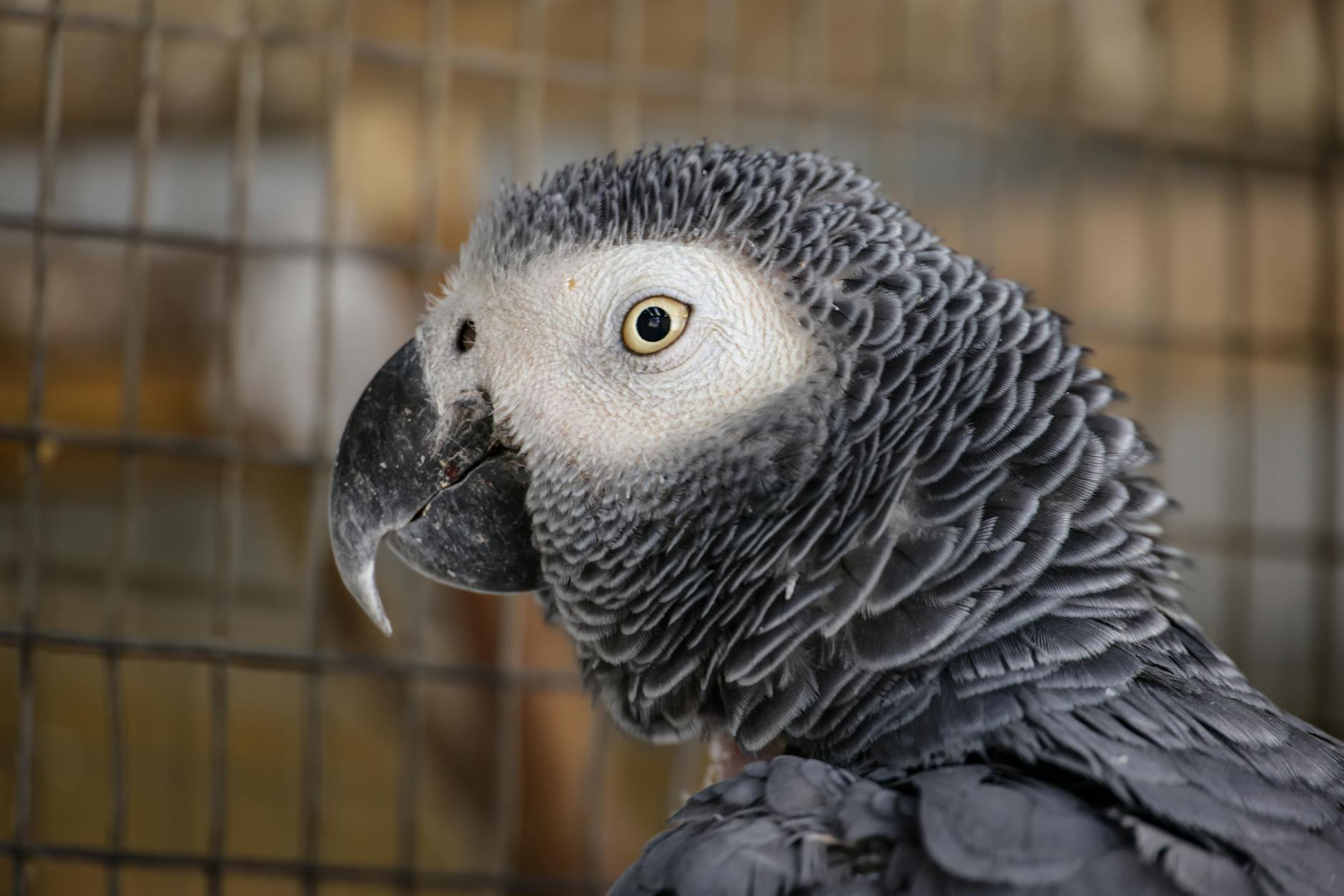
Ready to make an informed choice? Explore our detailed buying guide, connect with certified avian veterinarians, and join a community of passionate bird owners today. Your future feathered friend is waiting—take the first step now! [EXTERNALLINK]
Introduction
Choosing an exotic bird as a companion is far more than picking a pretty feathered friend from a pet store. When you ask yourself, “What to consider before buying an exotic bird?” you’re really opening a checklist that spans legality, health, space, and the emotional bandwidth you can truly offer. In this expanded guide we’ll walk you through fresh angles—real‑world anecdotes, data‑backed studies, and practical tips—that go beyond the basics, helping you decide if you’re ready for the long‑haul commitment an exotic bird demands.
Legal and Ethical Considerations
Many exotic species are protected under the Convention on International Trade in Endangered Species of Wild Fauna and Flora (CITES). A recent case in Florida illustrates the stakes: a couple purchased a wild‑caught Hyacinth Macaw for $15,000, only to have the bird confiscated after federal agents traced the illegal import. The owners lost not only the bird but also faced hefty fines and a criminal record. This story underscores that “what to consider before buying an exotic bird” must start with verification of paperwork.
Tip: Before signing any sale contract, request the bird’s CITES permit, import/export certificates, and a health clearance from a licensed avian veterinarian. If a seller cannot produce these documents, walk away—ethical sourcing protects both the species and your future ownership experience.
Another ethical layer involves rescue and adoption. The Avian Rescue Center in Austin, Texas, reported a 30% increase in adoptions of rescued African Grey Parrots after a local media campaign highlighted their need for permanent homes. Adopting a rescued bird not only sidesteps the illegal trade but also gives a second chance to a creature that may have endured trauma.
Space, Habitat, and Enrichment Needs
Exotic birds are not content with a standard cage. A study published in the *Journal of Avian Medicine and Surgery* (2022) found that African Grey Parrots housed in enclosures smaller than 2.5 m² showed a 40% increase in feather‑picking behavior—a clear sign of stress. This research adds a new dimension to “what to consider before buying an exotic bird”: the physical footprint of the enclosure must accommodate flight, climbing, and foraging.
Real‑world example: When a family in Seattle purchased a pair of Amazon parrots, they initially placed them in a 1‑meter cage. Within weeks, the birds began screaming loudly and exhibited aggressive lunges. After consulting an avian behaviorist, the family upgraded to a custom-built flight aviary measuring 3 m × 2 m, installed perches of varying diameters, and added puzzle feeders. Within a month, the parrots’ vocalizations softened, and they displayed playful social interactions.
Enrichment tip: Rotate toys weekly and incorporate natural foraging challenges—like hiding millet in pine cones or using shredded paper nests. This mimics the birds’ wild environment and reduces boredom‑induced behaviors.
Dietary Requirements and Long‑Term Health Care
Exotic birds often have specialized diets that go beyond seed mixes. A longitudinal study by the University of California, Davis, tracked the health of 150 captive Sun Conures over ten years. Birds that received a diet enriched with fresh fruits, vegetables, and a calcium supplement showed a 25% lower incidence of metabolic bone disease compared to those fed a seed‑only regimen.
Case study: A hobbyist in Melbourne, Australia, struggled with his newly acquired Eclectus Parrot developing chronic gout. After consulting an avian nutritionist, he introduced a balanced diet of leafy greens, squash, and a low‑purine pellet formula. Within six months, the bird’s joint swelling subsided, and blood work returned to normal ranges.
Practical tip: Establish a relationship with an avian vet who can perform annual blood panels and radiographs. Early detection of issues like liver disease or Psittacine beak and feather disease (PBFD) can be lifesaving. Keep a feeding journal to track what your bird eats and any changes in appetite—a simple habit that can flag health problems before they become critical.
Time Commitment, Social Interaction, and Owner Experience
Exotic birds are highly intelligent and social, which means they crave interaction far beyond the occasional cuddle. Research from the University of Edinburgh (2021) demonstrated that Macaws with daily two‑hour interactive sessions displayed higher problem‑solving scores and lower cortisol levels than those with minimal human contact.
Real‑life illustration: Jenna, a graphic designer from Portland, bought a Crimson Rosella after a weekend trip to a bird sanctuary. She quickly realized that her 9‑hour workdays left the bird alone for long stretches, leading to self‑destructive feather plucking. Jenna solved the issue by hiring a certified bird‑sitter for midday visits and installing a “bird cam” to monitor behavior remotely, reducing the bird’s stress and saving her from costly veterinary care.
Additional tip: If you’re a first‑time bird owner, consider a “trial” adoption program offered by many rescue groups. This allows you to experience the bird’s daily routine, vocalization patterns, and social needs before committing to a permanent purchase—addressing “what to consider before buying an exotic bird” from an experiential standpoint.
Conclusion
Answering the question “What to consider before buying an exotic bird?” is a multi‑layered process that blends legal diligence, habitat planning, nutrition science, and honest self‑assessment of time and emotional resources. By learning from real cases—whether it’s the legal fallout of an illegal import, the health turnaround from a balanced diet, or the behavioral improvements tied to enriched environments—you equip yourself with the knowledge to make a responsible, rewarding decision. Remember, an exotic bird can become a lifelong companion, but only if you’re prepared to meet its complex needs from day one.