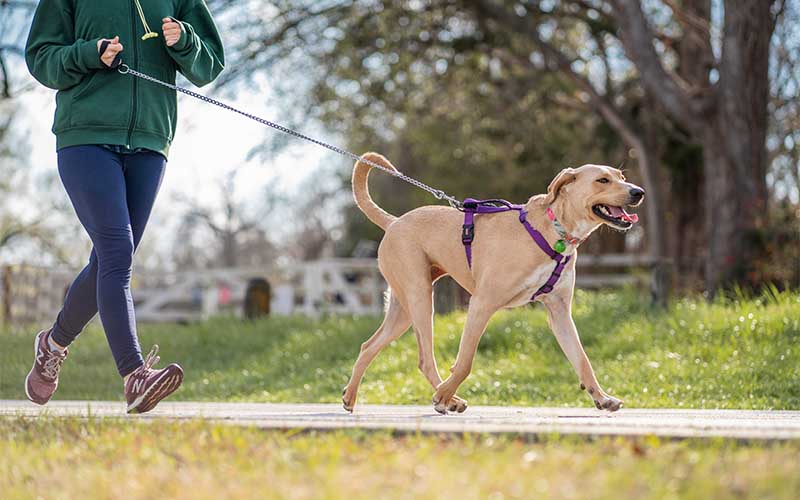
In the evolving landscape of 2024 pet wellness, we no longer view our dogs simply as companions, but as dedicated partners in our personal health journeys. Your daily walk is far more than a bathroom break or a chance for your four-legged friend to investigate the local flora; it is a vital pillar of a shared fitness strategy. Recent data suggests that the ‘pet effect’ on human health is stronger than ever, with dog owners significantly more likely to reach the World Health Organization’s recommended activity levels compared to non-owners. On average, dog parents log an impressive 350 minutes of walking per week—nearly 200 minutes more than those without a canine counterpart. This symbiotic relationship turns every game of fetch and every trail run into a dual-purpose health session that builds bone density, improves cardiovascular health, and fosters a deep, unspoken bond of trust.
The Science of Shared Fitness: Why Your Dog is the Ultimate Personal Trainer
Research continues to highlight that regular physical activity is a non-negotiable requirement for both human and canine longevity. For humans, the benefits are well-documented: weight management, reduced risk of chronic diseases, and a significant boost in cognitive function. For dogs, the impact is equally profound. Beyond the physical perks like muscle maintenance and joint health, exercise serves as essential mental stimulation. According to veterinary studies released in late 2023, dogs who engage in structured daily exercise exhibit fewer behavioral issues related to anxiety and boredom. By lacing up your sneakers, you aren’t just preventing heart disease in dogs; you are enriching their psychological landscape.
Before diving into a high-intensity routine, it is crucial to consider the safety and environment of your workouts. If you live in an urban setting, understanding how to keep your dog safe in crowded areas is a prerequisite for a stress-free experience. High-traffic zones require specific gear and leash-handling skills to ensure that exercise remains a positive experience rather than a source of overstimulation.
1. Power Walking and Strategic Hiking
The humble walk remains the most accessible form of exercise for most pairs. However, to maximize the benefit, experts now recommend ‘power walking’ intervals. Alternating between a brisk pace and a leisurely ‘sniff break’ allows for both physical exertion and mental engagement. Sniffing is often referred to as ‘reading the newspaper’ for dogs; it provides critical sensory input that can tire a dog out more effectively than physical movement alone. For those seeking more challenge, hiking offers varying terrain that engages secondary muscle groups in both the hiker and the hound. Trails provide natural obstacles that require balance and coordination, making it a full-body workout.
2. Running and Jogging: The Cardiovascular Boost
For high-energy breeds like the German Shorthaired Pointer, Belgian Malinois, or English Springer Spaniel, a walk rarely scratches the surface of their energy reserves. Running and jogging are elite cardiovascular exercises that build endurance and burn significant calories. However, runners must be aware of the underlying health risks. Certain breeds are predisposed to conditions such as heart disease in dogs, which can make high-impact cardio dangerous if not cleared by a veterinarian. Always monitor your dog for signs of excessive panting, lagging behind, or limping, and ensure you are running on joint-friendly surfaces like grass or dirt whenever possible.
3. Swimming: The Low-Impact Alternative
Is swimming the ‘perfect’ exercise? Many veterinarians argue it is. Whether in a backyard pool, a calm lake, or the ocean, swimming offers a weightless environment that is incredibly gentle on the joints. This makes it an ideal choice for senior dogs or those recovering from injuries. Breeds like the Portuguese Water Dog and the Labrador Retriever are biologically hardwired for the water, but even breeds that aren’t natural swimmers—like Mini Dachshunds—can enjoy the water with the help of a properly fitted life vest. Swimming provides intense resistance, meaning a 10-minute swim can be equivalent to a much longer walk in terms of energy expenditure.
4. Agility and Obstacle Course Training
Agility isn’t just for professional show dogs; it is a fantastic way to sharpen your dog’s mind while you get a workout running alongside them. Navigating tunnels, hurdles, and seesaws requires intense focus and impulse control. For households with multiple animals, this can also be a bonding exercise, provided you utilize expert dog training for multi-pet homes to manage excitement levels and prevent ‘sibling drama’ during the course. Agility training builds a unique level of communication between owner and pet, as the dog must look to you for constant cues and direction.
5. Interactive Play: Fetch, Tug, and Hide-and-Seek
Never underestimate the power of play. Interactive games like fetch and tug-of-war tap into a dog’s natural predatory and investigative drives. These activities are perfect for pet owners who may have limited space or are looking for ways to exercise a puppy at home. Hide-and-seek, in particular, is a brilliant way to combine physical movement with scent work. By hiding treats or yourself around the house, you force the dog to use their nose and brain, providing a comprehensive ‘indoor workout’ that is especially useful during inclement weather.
The Expert Verdict: A Holistic Approach to Longevity
According to veterinary experts like Dr. Fiona Lee, the key to a successful exercise program is consistency over intensity. Pushing a sedentary dog into a five-mile run on day one is a recipe for injury. Instead, treat your dog’s fitness as you would your own: start with a baseline, increase duration gradually, and always prioritize recovery. The 2024 trend in veterinary medicine emphasizes ‘prehab’—using exercise to prevent future orthopedic issues and maintain a healthy weight to avoid metabolic complications.
Frequently Asked Questions (FAQ)
- How much exercise does my dog actually need? This depends heavily on breed, age, and health status. Generally, most dogs need between 30 minutes to 2 hours of activity daily. High-energy breeds require the upper end of that spectrum.
- Can I run with my puppy? You should wait until a puppy’s growth plates have fully closed, which usually happens between 12 to 18 months, depending on the breed. Consult your vet before starting a high-impact running program.
- What are the signs of over-exertion? Watch for heavy panting that doesn’t stop when you rest, bright red or pale gums, glazed eyes, and reluctance to move. Heatstroke is a serious risk in summer months.
- Is it okay to exercise my dog in the heat? It is best to exercise in the early morning or late evening when temperatures are lower. If the pavement is too hot for your hand, it is too hot for their paws.
- Does pet insurance cover exercise injuries? Most comprehensive plans, like those from Pets Best, cover accidental injuries such as torn ligaments or strains that might occur during play or exercise.
Conclusion
Exercising with your dog is a transformative experience that extends far beyond the physical. It is an investment in your dog’s behavioral health, your own cardiovascular wellness, and the shared bond that makes pet ownership so rewarding. Whether you are traversing a mountain trail or playing a high-stakes game of hide-and-seek in the living room, every minute of movement counts. Remember to listen to your dog, consult your veterinarian, and most importantly, have fun. Your dog doesn’t care about the steps on your fitness tracker—they just care that they are spending time with you.


