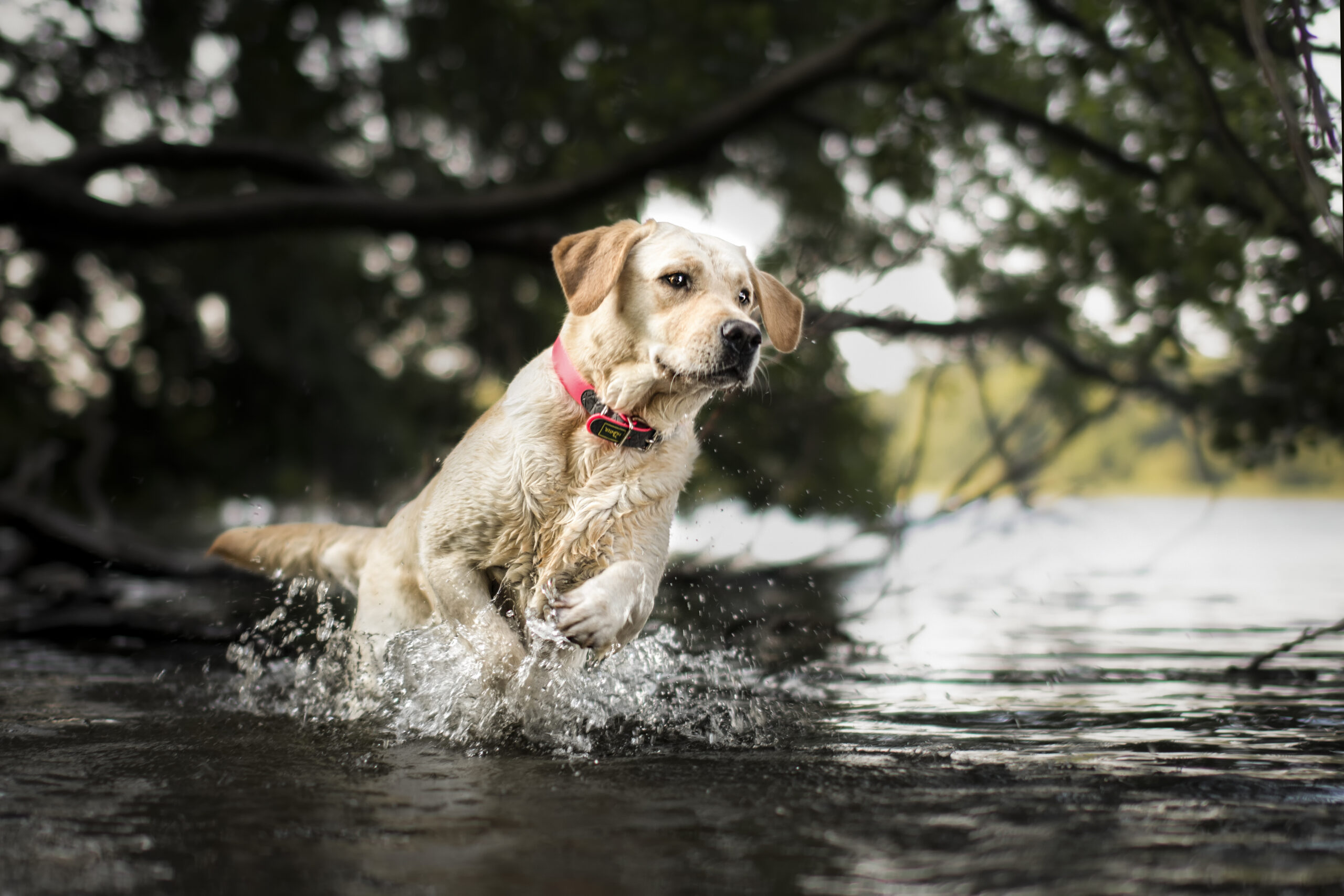
For most of us who share our lives with dogs, there is a certain, pure magic in watching a pup discover a body of water. Whether it is a golden retriever launching itself into a lake or a curious terrier splashing through a creek, the joy is infectious. As a long-time pet enthusiast who has spent years exploring the trails and waterways of North America, I have always viewed these moments as the pinnacle of canine happiness. However, my time in the exotic pet and veterinary world has taught me that nature often hides its most complex dangers in plain sight. In the ripples of a calm pond or the slow-moving current of a river, a microscopic threat known as Heterobilharzia americana could be waiting.
While we often worry about obvious hazards like blue-green algae or sharp rocks, this parasitic flatworm—commonly referred to as the cause of canine schistosomiasis—has quietly been expanding its territory. Once thought to be a rare concern limited to the deep swamplands of the Gulf Coast, new research is revealing that this parasite is more resilient and widespread than we ever imagined. As responsible pet parents, understanding this risk isn’t about fostering fear; it is about empowerment. It is about knowing how to enjoy amazing dog-friendly places while keeping our best friends safe from an invisible invader.
What Exactly is Heterobilharzia americana?
To understand the danger, we have to look at the biology of the beast. Heterobilharzia americana is a trematode, or flatworm. Unlike the common roundworms or tapeworms that most owners are familiar with—which typically reside inside the lumen of the intestines—this parasite is much more invasive. It lives within the mesenteric veins, the blood vessels that drain the gastrointestinal tract and lead toward the liver.
The life cycle of this parasite is a marvel of evolutionary biology, though a nightmare for dog owners. It requires a specific intermediate host: certain species of freshwater snails. The parasite eggs are shed in the feces of an infected host (often a dog or a wild animal). Once those eggs hit the water, they hatch into larvae called miracidia, which seek out the snails. After developing within the snail, they are released back into the water as cercariae—the infectious stage. These microscopic larvae don’t need a bite or a wound to enter a dog; they are capable of penetrating completely intact skin within seconds of contact with the water.
The Expanding Map: A Growing Geographic Threat
Historically, if you lived in Texas, Louisiana, or Florida, your vet might have had H. americana on their radar. But the boundaries are blurring. Recent studies from the Texas A&M College of Veterinary Medicine & Biomedical Sciences (VMBS) have highlighted a startling increase in cases. We are now seeing high prevalence rates in the Southwestern United States, particularly along the lower Colorado River basin. In some studied populations, infection rates have hovered near 25% to 28%.
This geographic shift is likely due to several factors, including changes in wildlife migration patterns and environmental shifts that allow the host snails to thrive in new areas. What this means for you is simple: even if you aren’t on the Gulf Coast, if your dog has access to freshwater, you need to be aware of this condition. It is no longer a “regional” curiosity; it is a modern veterinary reality.
Symptoms: The Subtle and the Severe
One of the most frustrating aspects of Heterobilharzia americana is how clinical signs can vary. Some dogs are what we call “asymptomatic carriers,” showing almost no outward signs of illness while the parasites live and breed within their vascular system. However, for many dogs, the presence of the parasite and its eggs triggers a massive immune response called granulomatous inflammation.
As the adult worms lay eggs, many of those eggs travel through the blood to the liver, lungs, and intestinal walls. The body treats these eggs as foreign invaders, surrounding them with inflammatory tissue (granulomas). This can lead to a host of symptoms that often mimic other common puppy diseases and illnesses, making it easy to misdiagnose. Keep a close eye out for:
- Chronic Diarrhea: This is often the most common sign, sometimes accompanied by blood or mucus.
- Weight Loss: Despite a normal or even increased appetite, the dog may struggle to maintain weight.
- Lethargy and Exercise Intolerance: A dog that used to love long walks may suddenly seem tired or disinterested.
- Vomiting: Intermittent bouts of upset stomach that don’t seem linked to diet.
- Hypercalcemia: Interestingly, many infected dogs develop high blood calcium levels, which can lead to kidney issues if left untreated.
Because these symptoms are so non-specific, it is vital to tell your veterinarian if your dog has a history of swimming in freshwater. Without that piece of the puzzle, a vet might spend weeks looking for standard GI bugs while the real culprit remains hidden in the veins.
The Diagnostic Challenge: Why Routine Tests Fail
If you take your dog in for an annual check-up and they perform a standard “fecal float,” it is highly unlikely they will find H. americana. The eggs of this parasite are heavy and don’t float in the solutions used for routine screenings. Furthermore, the eggs are shed intermittently, meaning a single sample might come back negative even if the dog is heavily infected.
To find this parasite, specialized testing is required. Veterinarians typically use fecal sedimentation, where the sample is processed to allow the heavy eggs to sink to the bottom for identification. More recently, PCR (Polymerase Chain Reaction) testing has become the gold standard. PCR can detect the DNA of the parasite in a fecal sample, offering a much higher level of sensitivity and accuracy than looking for eggs under a microscope. If your dog is a frequent swimmer and shows any GI distress, specifically asking for a Schistosome PCR test could be a life-saving move.
Treatment: A Tough Road to Recovery
Once a diagnosis is confirmed, the treatment protocol is intensive. Unlike a simple dewormer for roundworms, H. americana requires high doses of specialized medications, usually a combination of Praziquantel and Fenbendazole. The challenge here is the dosage. To kill these flatworms, Praziquantel must be administered at levels much higher than those used for common tapeworms.
As an experienced pet owner, I know how hard it is to watch your dog go through treatment. These high doses can make a dog feel quite nauseated. They might experience increased lethargy or a temporary loss of appetite during the course of the medication. It is a bit of a double-edged sword: the medicine that saves them can make them feel worse in the short term. However, compared to the long-term damage of organ failure or severe inflammation, the treatment is a necessary hurdle. It is often much like managing other systemic conditions, such as heart disease in dogs, where monitoring and precise dosing are key to a successful outcome.
Prevention and Management for the Modern Dog Owner
Since there is currently no “monthly pill” that prevents H. americana like there is for heartworm or fleas, prevention comes down to management and awareness. Does this mean you should never let your dog touch water again? Of course not. But it does mean you should be strategic.
Know Your Water: Stagnant or slow-moving water is much more likely to host the snails required for the parasite’s life cycle than fast-moving, clear mountain streams. If a pond looks “mucky” or has a lot of visible snail shells along the bank, it might be best to keep the leash on.
Regular Screening: For dogs that are “water-obsessed,” I recommend a proactive approach. Talk to your vet about doing a Schistosome PCR test every six months. Detecting the infection early—before significant granulomatous inflammation occurs in the liver—makes the treatment much easier on the dog’s body.
Wildlife Control: Remember that wildlife like raccoons, nutria, and bobcats serve as natural reservoirs for this parasite. While we can’t control the woods, keeping your yard free of attractants that bring these animals close to your own water features (like decorative ponds) can reduce the local parasite load.
People Also Ask
Can humans catch Heterobilharzia americana?
While H. americana cannot complete its life cycle in humans (we are not the intended host), the larvae can still attempt to penetrate human skin. In humans, this usually results in a condition known as “swimmer’s itch,” a tingling or itchy rash. The parasite does not move into our internal organs like it does in dogs, but it is certainly an unpleasant experience!
Is Heterobilharzia americana fatal for dogs?
If left untreated, yes, it can be. The chronic inflammation it causes can lead to organ failure, particularly of the liver and kidneys. However, with early detection and the correct aggressive treatment, most dogs can make a full recovery.
Is the parasite only found in the Southern US?
Historically, yes. But as mentioned, it has been found as far west as Utah and California, and as far north as Kansas and even parts of the Midwest. It is no longer safe to assume your dog is protected based solely on geography.
The Expert Verdict: Vigilance Over Fear
In the world of exotic and domestic pets, we are constantly learning. The discovery that Heterobilharzia americana is more prevalent than we once believed isn’t a reason to stop adventuring. Instead, use this knowledge to be a better advocate for your dog. We have moved into an era of “precision pet care,” where knowing the specific risks of your environment can add years to your pet’s life.
My final takeaway for you is this: Trust your gut. If your water-loving dog seems just a little bit “off”—maybe they’re leaving a bit of food in the bowl or their stool isn’t as firm as usual—don’t wait. Mention their swimming habits to your vet and ask for the specific tests. In the battle against H. americana, time and specialized testing are your two greatest allies. Keep exploring, keep splashing, but keep your eyes wide open to the ripples in the water.
By staying informed and prioritizing regular screenings for high-risk dogs, we can ensure that our pets’ outdoor adventures remain the joyful, healthy experiences they are meant to be. Safety isn’t about avoiding the water; it is about knowing exactly what is in it.


