Introduction: The Hidden Footprint of Our Feline Friends
As dedicated cat parents, our lives often revolve around ensuring the comfort and health of our feline companions. We meticulously research the most nutritious grain-free diets, invest in ergonomic scratching posts, and ensure our homes are filled with engaging enrichment toys. However, there is one aspect of feline care that often flies under the radar: the environmental impact of the litter box. For decades, traditional clay-based litters have been the industry standard, prized for their clumping ability and low cost. But as we move into 2024, the ecological cost of these products is becoming impossible to ignore. Every year, millions of tons of non-biodegradable clay are extracted from the earth and eventually buried in landfills, where they remain indefinitely. This realization has sparked a significant shift in the pet industry, leading many to embrace natural, sustainable alternatives that are as good for the planet as they are for our pets.
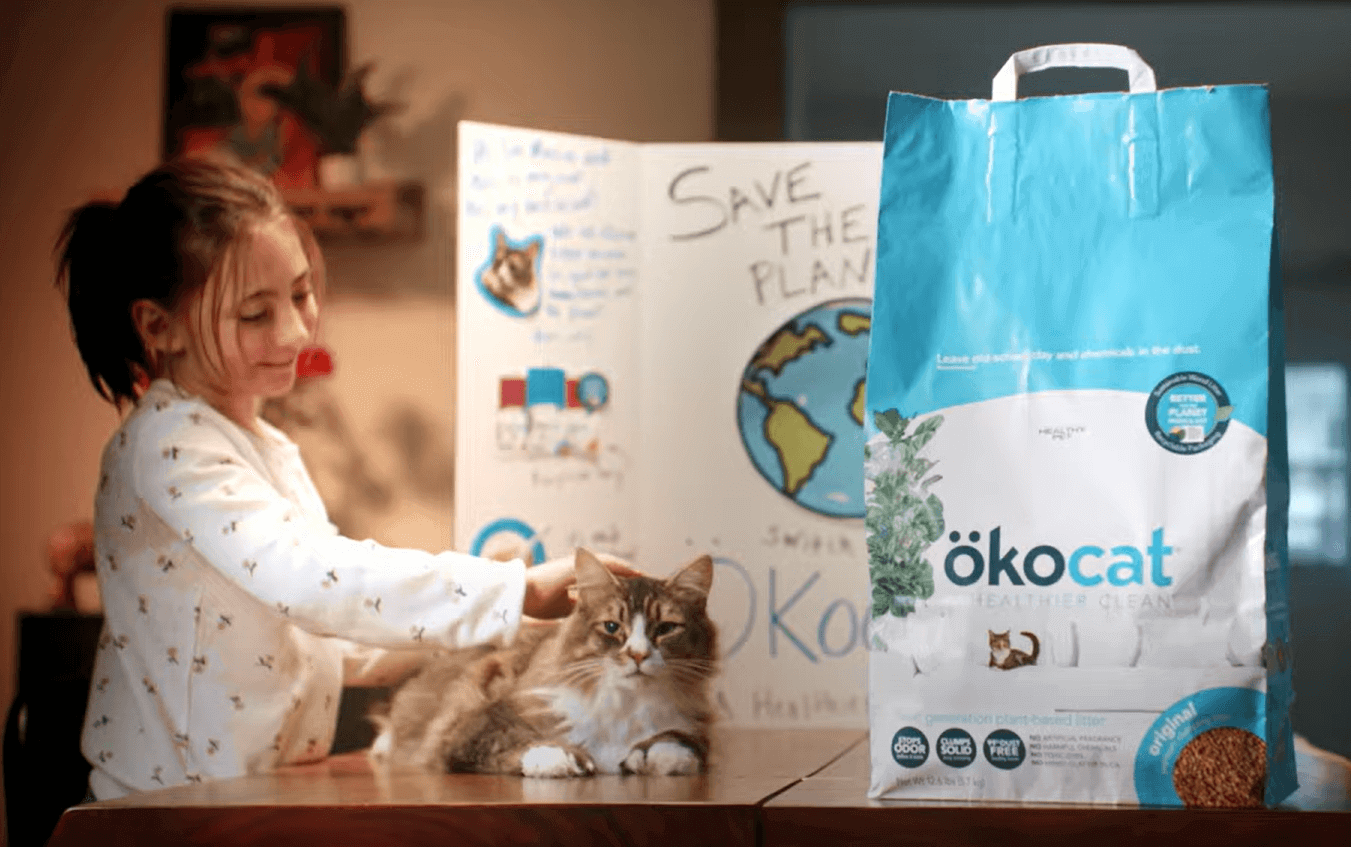
The High Cost of Convenience: The Reality of Clay Litter
To understand why natural alternatives like ökocat are gaining such momentum, we must first look at the traditional alternative: sodium bentonite clay. Most conventional litters are sourced through a process known as strip mining. This is a highly invasive form of surface mining where entire layers of soil and rock (overburden) are removed to reach the clay deposits beneath. The results are often catastrophic for local ecosystems, leading to the destruction of forests, the displacement of wildlife, and significant soil erosion. Furthermore, the runoff from these mining sites often carries heavy metals into local waterways, polluting essential aquatic habitats.
According to recent environmental data from 2023, it is estimated that over 2 million tons of cat litter end up in U.S. landfills annually. Because clay is a mineral, it does not decompose. This means that every scoop of clay litter you have ever thrown away still exists today, taking up valuable space and contributing to the growing global waste crisis. For the environmentally conscious pet owner, the transition to a renewable resource is no longer just a trend—it is an ethical necessity.
The Natural Alternative: Harnessing the Power of Renewability
Natural cat litters represent a radical departure from the ‘extract and discard’ model of the past. These products are crafted from renewable, reclaimed, or upcycled materials. Instead of digging into the earth, manufacturers utilize resources that are already part of a circular economy. Common materials include:
- Reclaimed Wood: Brands like ökocat use fallen timber or wood scraps from lumber mills that would otherwise go to waste.
- Recycled Paper: Transforming post-consumer waste into highly absorbent pellets.
- Agricultural Byproducts: Utilizing corn, wheat, grass, or walnut shells that are leftovers from food production.
By choosing these materials, we effectively reduce the demand for virgin resources and support industries that prioritize sustainability. For example, wood-based litters are naturally more absorbent than clay, meaning you actually use less product over time, further reducing your overall consumption footprint.
Biodegradability and the End-of-Life Solution
One of the most compelling arguments for natural litter is its ability to break down. Unlike clay, which is a permanent fixture in a landfill, plant-based litters are biodegradable. When disposed of correctly, they return to the earth without leaving a trace of synthetic chemicals. Many wood and paper-based litters are even compostable (though it is critical to note that cat waste itself should never be used in compost intended for edible gardens due to pathogens like Toxoplasmosis).
Reducing Carbon Emissions in the Supply Chain
The weight of cat litter is another often-overlooked factor in its environmental impact. Clay is incredibly heavy, which means it requires significant energy to transport from the mine to the processing plant and finally to your local pet store. Natural litters, particularly those made from wood or paper, are significantly lighter. This reduction in weight translates directly to lower fuel consumption and reduced greenhouse gas emissions during shipping. In 2024, as corporations strive for ‘Net Zero’ targets, choosing lightweight, locally sourced natural litters is a tangible way for consumers to contribute to global carbon reduction efforts.
A Healthier Home: Dust, Chemicals, and Respiratory Health
Beyond the global environmental benefits, natural cat litter offers immediate advantages for your indoor environment. Traditional clay litters are often notorious for producing silica dust. Chronic inhalation of this dust can lead to respiratory issues in both humans and cats, particularly those with asthma or sensitive lungs. Natural litters are generally 99% dust-free, providing a cleaner breathing environment.
Additionally, many conventional brands use heavy synthetic fragrances and chemical deodorizers to mask odors. These VOCs (Volatile Organic Compounds) can linger in your home and may be irritating to a cat’s sensitive sense of smell. Natural litters leverage the inherent properties of their materials—such as the natural tannins in wood—to neutralize odors without the need for toxic additives. This results in a home that smells fresh, rather than ‘perfumed.’
Expert Verdict: Is the Switch Worth It?
Industry experts and veterinarians are increasingly recommending the switch to natural alternatives. Dr. Elena Richards, a feline behaviorist, notes: “Many cats actually prefer the texture of natural wood or grass litters because they more closely mimic the materials a wild feline would use. When you combine behavioral benefits with the massive ecological upside, the choice becomes clear.” While there may be a short transition period as your cat adjusts to a new texture, the long-term benefits of a chemical-free, sustainable home far outweigh the initial effort.
Frequently Asked Questions (FAQ)
1. Is natural cat litter really as effective at odor control as clay?
Yes. Many natural materials, especially wood and corn, have high levels of natural absorbency and enzymes that break down ammonia. Brands like ökocat are specifically engineered to trap odors on contact.
2. Can I flush natural cat litter down the toilet?
While some natural litters are labeled as flushable, it depends heavily on your local plumbing and municipal regulations. It is generally recommended to scoop waste into the trash or a dedicated compost bin to prevent potential plumbing clogs and protect water systems from pathogens.
3. How do I transition my cat to a new natural litter?
The key is a gradual transition. Start by mixing 25% of the new natural litter with 75% of your old clay litter. Over the course of two weeks, slowly increase the ratio of natural litter until your cat is comfortable with the 100% sustainable option.
4. Is natural litter more expensive?
While the upfront cost per bag can be slightly higher, natural litters often last longer because they are more absorbent. You end up using less product and throwing away less waste, which often makes the cost comparable or even cheaper in the long run.
5. Are natural litters safe for kittens?
Yes, natural litters (especially non-clumping varieties) are often safer for kittens, as they do not pose the same risk of intestinal blockage if accidentally ingested during the ‘curious’ phase of kittenhood.
Conclusion: Small Changes, Global Impact
Choosing an eco-friendly cat litter like ökocat is a powerful example of how small, daily decisions can ripple outward to create significant change. By moving away from strip-mined clay and toward renewable, biodegradable resources, we are protecting fragile ecosystems, reducing landfill waste, and ensuring a healthier environment for our pets and our families. The green revolution in pet care is here, and it starts right in the litter box. It’s time to clean up our act and our footprints—one paw at a time.


