As the autumn air turns crisp and the scent of woodsmoke begins to drift through the neighborhoods, we know that Halloween is just around the corner. For many of us, it is a season of pure delight—a time for spooky movies, elaborate costumes, and the communal joy of trick-or-treating. We cover our porches in cobwebs and carved pumpkins, eagerly awaiting the first knock at the door. However, as an exotic pet enthusiast who has spent years observing how our companions react to sudden changes in their environment, I can tell you that what we perceive as ‘fun’ can be deeply distressing for the animals in our care. While we are chasing adrenaline rushes, our pets are often just trying to figure out why their safe haven has suddenly become a place of flashing lights, strange scents, and masked strangers.
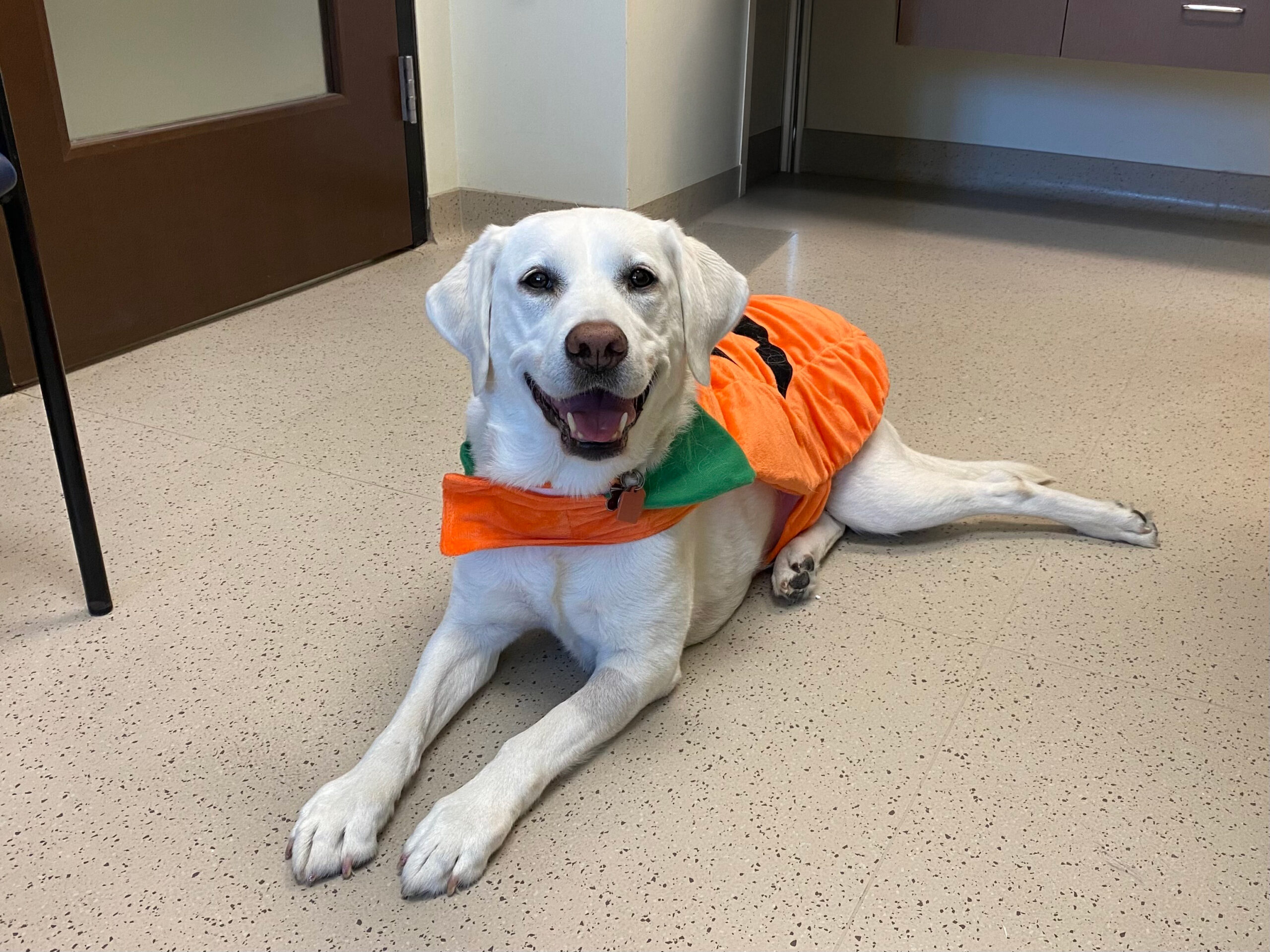
The ‘fright’ in Halloween isn’t always the fun kind for our furry, feathered, or scaled friends. Dr. Erin Ray, a clinical assistant professor at the Texas A&M College of Veterinary Medicine & Biomedical Sciences, points out that pets don’t share our cultural context for the holiday. They don’t know that the 7-foot tall animatronic werewolf in the hallway is plastic, or that the person under the sheet is just the neighbor. To them, these are legitimate threats. Understanding this perspective is the first step in being a responsible pet guardian during the spooky season. Whether you are managing a high-energy Australian Shepherd or a sensitive exotic bird, preparation is the key to ensuring that the only thing scary about your Halloween is the movie marathon on your television.
The Psychology of the Spooky: Why Pets Get Scared
Pets are masters of routine. They find comfort in the predictable rhythms of their daily lives. Halloween disrupts every single one of those rhythms. From the constant ringing of the doorbell to the presence of strangers in ‘unnatural’ shapes (costumes), the sensory overload can be immense. Dr. Ray notes that pets often mirror their owner’s emotions; if you are jumping during a horror movie or feeling anxious about your party preparations, your pet will likely pick up on that energy and amplify it.
Identifying Signs of Anxiety and Fear
It is crucial to recognize the subtle—and not-so-subtle—signs that your pet is reaching their breaking point. In dogs, this might manifest as excessive panting, pacing, or ‘whale eye’ (where you see the whites of their eyes). Cats might retreat to the highest shelf or the darkest corner, while rabbits and other small mammals might freeze or stomp their feet in alarm. Barking, hissing, or swatting are often the final resorts for an animal that feels cornered and unheard. By paying attention to these cues early, you can intervene before the stress leads to a more serious behavioral or health issue. If you are looking to improve your pet’s living space to reduce overall stress, consider creating a pet-friendly home that offers permanent safe zones.
The Hidden Dangers of the Candy Bowl
One of the most significant risks during Halloween is the abundance of sweets. While we may enjoy the sugar rush, many common ingredients in Halloween candy are strictly off-limits for animals. This is a time when ‘sharing is caring’ definitely does not apply. Owners must be vigilant, as a single dropped piece of candy can lead to a late-night emergency vet visit.
The Deadly Trio: Chocolate, Xylitol, and Raisins
Chocolate contains theobromine and caffeine, both of which are methylxanthines that pets cannot metabolize effectively. Darker chocolate and baking chocolate are particularly dangerous because they contain higher concentrations of these compounds. Symptoms of chocolate poisoning include vomiting, diarrhea, rapid breathing, and even seizures. Xylitol (often listed as birch sugar or wood sugar) is perhaps even more terrifying. This sugar substitute, found in many sugar-free candies and gums, causes a massive insulin release in dogs, leading to life-threatening hypoglycemia and potential liver failure within hours. Finally, grapes and raisins—though seemingly healthier treats—can cause acute kidney failure in dogs. If you want to involve your pet in the seasonal fun, stick to veterinarian-approved treats or even pumpkin carving stencils to create a tribute to them rather than sharing your snacks.
Decorating Without the Danger
When we deck the halls with boughs of… well, plastic spiders and orange lights, we are essentially placing a series of obstacles and temptations in our pets’ paths. As Dr. Ray mentions, decorations can quickly become ‘foreign body risks.’ For an exotic bird or a curious cat, a dangling strand of fake cobweb is an invitation to play—and potentially an invitation to a bowel obstruction if swallowed. String toys and tinsel-like decorations are particularly dangerous for felines and birds, as they can cause linear foreign bodies in the digestive tract, which are notoriously difficult to treat surgically.
Fire Hazards and Foreign Bodies
Real candles inside jack-o’-lanterns are a classic Halloween staple, but they pose a double threat. A wagging tail or a sudden ‘zoomie’ session can knock over a pumpkin, leading to a fire or severe burns on the animal. Switch to LED tea lights instead; they provide the same flicker without the risk. Furthermore, be wary of any decorations that use batteries. If a pet chews on a battery, the resulting chemical burns to the mouth and esophagus can be devastating. Always keep electrical cords tucked away or covered with cord protectors to prevent electrocution, a common hazard for teething puppies and rabbits alike.
Costumes: Cute or Cruel?
We all love a good photo op, and seeing a dachshund dressed as a hot dog or a cat as a pirate is undeniably adorable. However, many pets find costumes to be restrictive and frightening. A costume can obscure a pet’s vision, hinder their ability to move naturally, or even interfere with their ability to communicate through body language. If your pet freezes in place or tries frantically to remove the garment, they are not ‘playing along’—they are stressed. If you must dress them up, ensure the costume does not have small parts that can be chewed off, does not restrict breathing or hearing, and that the pet is never left unsupervised while wearing it.
Special Considerations for Exotic Pets
As an exotic pet enthusiast, I would be remiss if I didn’t mention our more ‘unusual’ companions. Birds, for instance, have incredibly sensitive respiratory systems. If you are using a fog machine for a party or burning seasonal scented candles, the fumes can be toxic or even fatal to an African Grey or a Conure. Reptiles, too, can be sensitive to vibrations and loud music. If you are hosting a party, move your exotic pet’s enclosure to a quiet, ‘off-limits’ room where the temperature and humidity can remain stable, away from the chaos of the festivities. This proactive approach is very similar to thanksgiving pet safety tips, where noise and foot traffic are also primary concerns.
People Also Ask: Halloween Pet Edition
Can dogs eat pumpkin? Yes, plain canned pumpkin (not pie filling!) is actually quite healthy and can aid in digestion. However, avoid letting them chew on the porch pumpkin, which may have grown mold or been treated with preservatives.
What should I do if my pet eats chocolate? Call your veterinarian or a pet poison control hotline immediately. Have the packaging ready so you can tell them exactly what kind of chocolate and how much was consumed.
How can I keep my dog calm with the doorbell constantly ringing? Consider setting up a ‘safe room’ with a white noise machine or soft music. Alternatively, you can stay on the porch to hand out candy, preventing the need for the doorbell to ring at all.
Expert Verdict: A Season of Safety
My expert verdict is that Halloween doesn’t have to be a choice between having fun and keeping your pets safe. It is about intentionality. If you know your dog is a ‘door-dasher,’ use a baby gate. If your cat is a ‘scaredy-cat,’ give them a quiet retreat. By anticipating the specific needs of your animal’s species and personality, you can navigate the spooky season with confidence. The goal is to create memories that are ‘spooktacular’ for you, but ‘business as usual’ for them.
Conclusion: Your Halloween Checklist
To wrap up, here are the key takeaways for a safe Halloween:
- Secure the Treats: Keep all candy in a high cabinet or a sealed container.
- Monitor the Mood: Watch for signs of fear and provide a quiet escape route.
- Decorate Smart: Use LEDs instead of candles and keep cords out of reach.
- Communicate: If you’re having guests, remind them not to feed the pets any ‘human’ snacks.
- Update ID: Ensure your pet’s microchip and tags are current, just in case they slip out the door during a trick-or-treat visit.


