For many pet owners, the dream of having a conversation with their furry companion is a whimsical thought. While your dog might not be able to recite literature, teaching them to “speak” on command is the closest we can get to a two-way dialogue. This training exercise is more than just a party trick; it is a fundamental component of cognitive enrichment that strengthens the human-canine bond. By teaching your dog to vocalize on cue, you are not just encouraging noise; you are providing a structured outlet for their natural instincts. Whether you are dealing with a naturally chatty breed or a silent observer, mastering the speak command requires a blend of patience, clarity, and the right motivational tools. In this comprehensive guide, we will explore the science of canine vocalization and provide a step-by-step framework for turning those random barks into a controlled, impressive skill.
Understanding the Science of Canine Communication
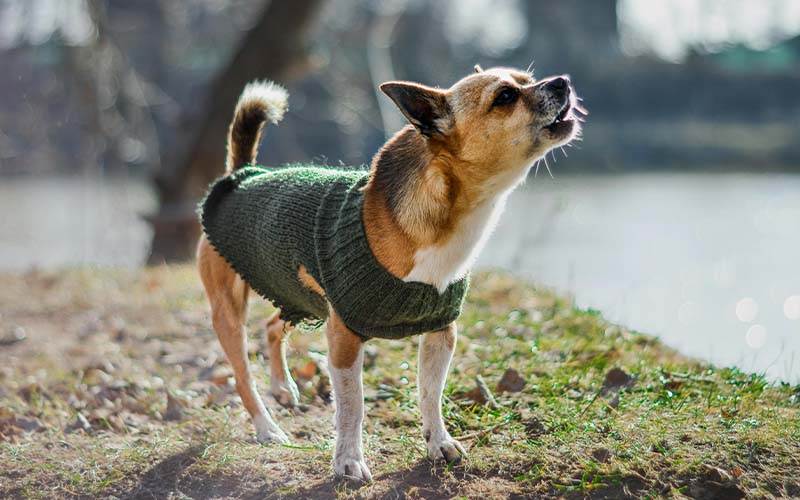
Before diving into the training steps, it is essential to understand why dogs bark in the first place. Barking is a complex communication tool that evolved significantly during domestication. Research published as recently as 2023 indicates that dogs have developed specific vocalization patterns intended primarily for human ears, as wolves in the wild rarely bark in the same social contexts. When your dog woofs, they might be signaling a perceived threat, expressing excitement, or simply seeking attention. By learning the nuances of these sounds, owners can better distinguish between a “guarding” bark and a “playful” yip. For those living with multiple animals, understanding these cues is even more vital, particularly when navigating expert dog training for multi-pet homes where one dog’s vocalization might trigger another’s anxiety.
The Role of Positive Reinforcement in 2024
Modern dog training has moved entirely away from punitive measures toward positive reinforcement. This methodology relies on rewarding desired behaviors rather than punishing unwanted ones. Studies in 2024 suggest that dogs trained with positive rewards exhibit lower cortisol levels and higher engagement during sessions. When teaching the “speak” command, you are essentially “capturing” a natural behavior and labeling it with a verbal cue. This approach builds confidence and encourages your dog to be an active participant in the learning process. If your dog seems unusually withdrawn or hesitant to vocalize, it may be worth checking for signs of emotional distress, as a happy, engaged dog is much more likely to participate in vocal training.
Preparation: Setting the Stage for Success
Successful training doesn’t happen by accident; it requires the right environment. Choose a quiet room in your home where distractions are minimal. If you are in a high-traffic area, your dog might bark at a passing car or a neighbor rather than in response to your cue, which can lead to confusion. You should also decide on your primary motivator. While many dogs are food-motivated, others prefer a favorite squeaky toy or physical praise. Consistency is your most powerful tool. Ensure that every member of the household is using the same command word—usually “Speak!”—to avoid confusing the animal. It is also helpful to have a solid foundation in basic obedience. Teaching your dog to “sit” or “watch me” helps establish the focus necessary for more advanced tricks like vocalization.
The Step-by-Step Guide to Teaching ‘Speak’
Teaching a dog to bark on command is often easier than teaching them to be quiet, as most dogs are naturally inclined to vocalize when excited. Here is a proven method to achieve results:
- Step 1: Identify the Trigger. Find out what naturally makes your dog bark. This could be the sound of a doorbell, holding a treat just out of reach, or getting ready for a walk. You want to induce a state of mild excitement without causing frustration.
- Step 2: Capture the Behavior. The moment your dog emits a bark, use a clicker or a verbal marker like “Yes!” to identify the exact moment they did what you wanted.
- Step 3: Introduce the Command. Once your dog understands that barking earns a reward, start saying the word “Speak” just before you know they are about to bark. Timing is critical here. You want them to associate the word with the action.
- Step 4: Reward and Repeat. Give the treat immediately after the bark. Repeat this in short sessions of 5 to 10 minutes. Over time, stop using the trigger and rely solely on the verbal command.
For certain breeds known for their intelligence and energy, such as those detailed in our Australian Shepherd breed guide, this process can be incredibly rapid. These dogs thrive on mental challenges and may learn the command in just one or two sessions.
Troubleshooting and Refining the Command
What happens if your dog becomes a “barking monster”? A common concern is that teaching a dog to speak will encourage them to bark all the time. However, the opposite is usually true. By putting the behavior on cue, you are teaching the dog that barking is only rewarded when requested. If your dog starts barking excessively to get treats, simply ignore them. Rewards should only be given for the specific response to your command.
Teaching the ‘Quiet’ Command
You cannot effectively have a “Speak” command without its counterpart: “Quiet.” Once your dog has barked on command, wait for a brief moment of silence. As soon as they stop, say “Quiet” and provide a high-value reward. This teaches the dog that silence is just as valuable as sound. This dual-command training is a hallmark of professional-grade behavioral management.
Expert Review: The Trainer’s Verdict
Leading canine behaviorists agree that vocal training is a high-level engagement activity. According to Dr. Fiona Lee, reviewed pet health experts emphasize that training sessions should always end on a positive note. If your dog is struggling, go back to a simpler command they know well to rebuild their confidence. Regression is a normal part of the learning curve, especially in puppies or senior dogs. Always prioritize the well-being of the animal over the speed of the results. Recent data from 2024 indicates that dogs who participate in regular trick training have a 30% higher satisfaction rate among owners regarding their pet’s overall behavior.
Frequently Asked Questions (FAQ)
How long does it take for a dog to learn to speak?
Every dog is different. Some may learn in a few days, while more reserved breeds might take several weeks of consistent practice. The key is short, frequent sessions rather than long, tiring ones.
Can I teach an older dog to speak?
Absolutely! The old adage “you can’t teach an old dog new tricks” is a myth. Older dogs often have better focus than puppies, though you should ensure they aren’t suffering from any cognitive or physical discomfort that might make training difficult.
What if my dog never barks?
Some dogs are naturally very quiet. In these cases, you might need to use more intense triggers, like play-growling or mimicking a bark yourself. If they still don’t vocalize, don’t force it; some dogs may prefer other types of tricks.
Will this make my dog bark at the neighbors more?
No. When done correctly, teaching “Speak” actually gives you more control over your dog’s vocalizations. By defining when barking is appropriate, you are indirectly defining when it is not.
Conclusion
Teaching your dog to speak is a journey that goes beyond simple obedience. It is an exploration of your dog’s personality and a way to enhance your communication. By using positive reinforcement and maintaining a consistent training schedule, you can turn a natural behavior into a controlled skill that demonstrates your dog’s intelligence. Remember to be patient, stay positive, and always keep the sessions fun. With time, you’ll find that your dog isn’t just barking—they’re finally talking back.


