Top 10 most colorful exotic birds for your aviary will make any bird lover’s heart skip a beat, and if you’re scrolling through endless photos of feathered wonders, you’re about to discover why these dazzling creatures deserve a place in your own backyard sanctuary.
Imagine stepping outside to a chorus of melodious chirps, then turning your gaze to a flash of electric blue, ruby red, or neon green darting between the branches. That burst of living color isn’t just eye‑candy; it’s a reminder that nature’s palette can be more vivid than any paint set. In this article, we’ll explore the reasons why adding vivid, exotic birds to your aviary can transform a simple enclosure into a living work of art, and we’ll walk you through the spectacular lineup of the Top 10 most colorful exotic birds for your aviary.
First, let’s talk about the emotional pull of color. Humans are hard‑wired to respond to bright hues – they trigger curiosity, lift moods, and even encourage social interaction. When a flamboyant bird flutters past, its plumage can spark conversations among visitors, inspire photography sessions, and create a sense of wonder that keeps you coming back for more. This psychological boost is one of the many subtle benefits of choosing vivid avian residents.
Beyond the visual appeal, colorful exotic birds often bring unique personalities and vocal talents to the table. Many species are renowned for their playful antics, problem‑solving abilities, and engaging calls that echo through the garden. By selecting birds that combine striking looks with charismatic behavior, you’re not just decorating a space; you’re cultivating a dynamic community that thrives on interaction and enrichment.
Lastly, a well‑curated aviary filled with a rainbow of feathers can serve as an educational platform. Whether you’re a seasoned breeder, a family looking to teach kids about biodiversity, or a nature‑enthusiast eager to share knowledge, these birds become ambassadors for conservation. Their vivid presence reminds us of the fragile ecosystems they hail from and the importance of protecting those habitats.
Why Choose Colorful Exotic Birds for Your Aviary?
Choosing colorful exotic birds for your aviary goes far beyond aesthetics; it’s a strategic decision that enhances the overall health and vibrancy of the whole enclosure. Brightly colored species often come from tropical or subtropical regions where diverse plant life and complex ecosystems encourage natural foraging and social behaviors, which translate into more active and mentally stimulated birds in captivity.
Furthermore, many of these eye‑catching birds are highly adaptable to a range of aviary designs. Their vivid plumage stands out against both lush greenery and more neutral backdrops, giving you flexibility in how you decorate and arrange perches, foliage, and water features. This adaptability means you can experiment with different layouts without worrying that a bird’s colors will get lost in the scenery.
Another compelling reason is the social enrichment they provide. Species such as the Rainbow Lorikeet or the Indian Ringneck Parakeet are known for their strong flock dynamics and vocal communication. When you house several colorful birds together, they naturally engage in grooming, playful chases, and coordinated singing, creating a lively atmosphere that mimics their wild counterparts.
From a breeding perspective, vibrant plumage often signals genetic health and vitality. Breeders who prioritize color can track lineage more easily, ensuring that the most robust traits—both visual and physiological—are passed on. This focus on quality helps maintain a resilient population, which is especially important for exotic species that may be more vulnerable to disease.
Finally, the market appeal of these birds cannot be ignored. Enthusiasts and prospective owners alike are drawn to striking colors, making colorful exotic birds a popular choice for show exhibitions, pet trade events, and online communities. By featuring the Top 10 most colorful exotic birds for your aviary, you’re positioning your aviary as a centerpiece that can attract attention, foster community, and even generate potential revenue through breeding programs.
Top 10 Most Colorful Exotic Birds
Now that we understand the why, let’s dive into the what. Below is the curated list of the Top 10 most colorful exotic birds for your aviary, each selected for its dazzling appearance, manageable temperament, and suitability for a captive environment.
1. Rainbow Lorikeet (Trichoglossus moluccanus) – True to its name, this bird flaunts a kaleidoscope of neon green, bright orange, deep blue, and vibrant yellow. Their energetic personalities and love for nectar make them a lively addition, though they do require a diet rich in fresh fruit and specialized nectar mixes.
2. Indian Ringneck Parakeet (Psittacula krameri) – With a striking combination of emerald green feathers, a bright orange collar, and a bold black beak, the Indian Ringneck is both beautiful and intelligent. They are excellent mimics, often learning to speak, which adds an auditory layer to the visual spectacle.
3. Scarlet Macaw (Ara macao) – This iconic South American giant boasts scarlet, yellow, and cobalt blue plumage that seems to glow in sunlight. While they need ample space and a sturdy aviary structure, their majestic presence and strong pair bonds make them worth the investment.
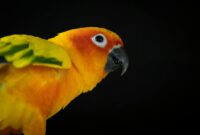
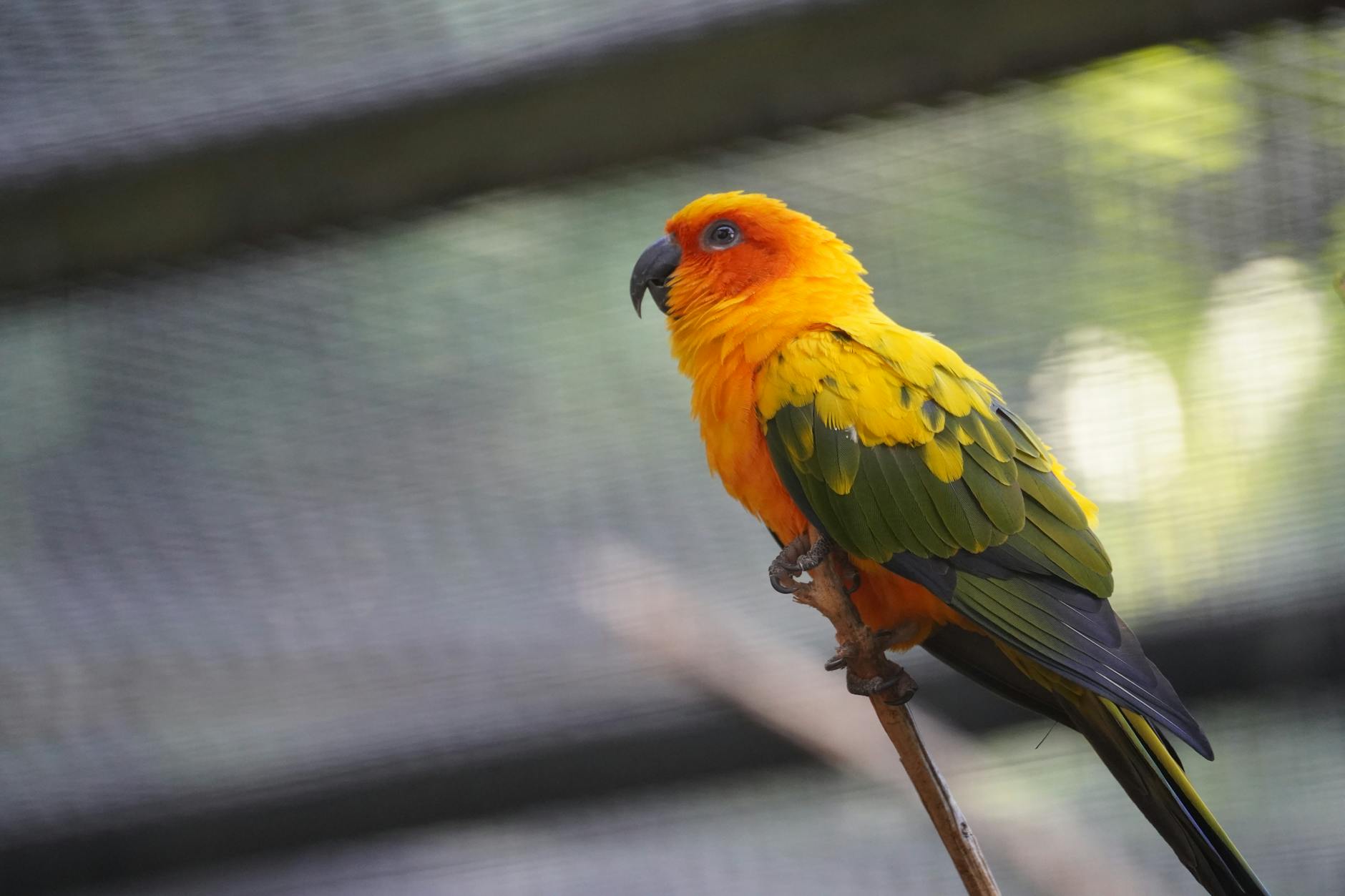
4. Sun Conure (Aratinga solstitialis) – The Sun Conure’s bright orange body, yellow head, and blue tail create a fiery display that can brighten any enclosure. Their sociable nature means they thrive in groups, and they enjoy interactive toys that challenge their clever minds.
5. Eclectus Parrot (Eclectus roratus) – Males display a brilliant emerald green with a red chest, while females turn the tables with deep violet plumage and bright orange beaks. This sexual dimorphism adds an extra layer of visual intrigue, and their gentle demeanor makes them excellent companions.
6. Hyacinth Macaw (Anodorhynchus hyacinthinus) – The world’s largest flying parrot, the Hyacinth Macaw, sports a deep, glossy blue that seems almost metallic. Their impressive size and striking coloration command attention, though they require a spacious aviary and a diet rich in nuts and fruits.
7. Blue-and-gold Macaw (Ara ararauna) – As the name suggests, this macaw blends vivid cobalt blue with sunny gold, creating a perfect harmony of colors. Their playful nature and strong pair bonds make them a favorite among experienced aviculturists.
8. Red-fronted Lorikeet (Trichoglossus rubritorquis) – Smaller than its rainbow cousin but no less dazzling, the Red-fronted Lorikeet showcases a blend of bright red, green, and blue. Their agility and love for nectar make them excellent pollinators in a well‑planted aviary.
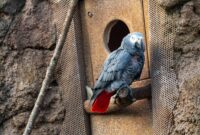
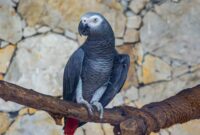
9. African Grey Parrot (Psittacus erithacus) – While not as flamboyant in hue, the African Grey’s sleek charcoal plumage is offset by a striking, intelligent gaze and unrivaled talking ability. Their subtle elegance adds a sophisticated contrast to the more vibrant birds.
10. Gouldian Finch (Erythrura gouldiae) – This tiny finch packs a punch with its bright red head, golden body, and black chest, often complemented by a blue or green back depending on the morph. Their small size makes them perfect for mixed-species aviaries, where their rapid flight adds dynamic movement.
Each bird on this list brings a unique splash of color and character, ensuring that your aviary becomes a living gallery where every feather tells a story. By carefully selecting from the Top 10 most colorful exotic birds for your aviary, you’ll not only create a visual masterpiece but also foster a thriving, interactive community of avian ambassadors.
Top 10 Most Colorful Exotic Birds
Melanjutkan pembahasan sebelumnya, let’s dive straight into the heart of the matter – the dazzling line‑up that makes up the Top 10 most colorful exotic birds for your aviary. If you’re looking for feathered fireworks that will turn any outdoor enclosure into a living kaleidoscope, this list is your passport. From electric blues that rival tropical seas to fiery reds that could set a sunrise ablaze, each species brings its own palette, personality, and a dash of intrigue to the flock.
1. Hyacinth Macaw (Anodorhynchus hyacinthinus) – The king of blue. This giant, with its striking royal‑blue plumage and bold yellow facial skin, commands attention the moment it spreads its 4‑foot wingspan. Native to the Brazilian savanna, the Hyacinth Macaw thrives on a diet rich in nuts, especially macadamia and Brazil nuts, which help maintain that glossy sheen. Their playful, intelligent nature makes them a conversation starter, but remember they need a spacious aviary and plenty of mental stimulation.
2. Scarlet Macaw (Ara macao) – A living firecracker. Brilliant scarlet, cobalt, and yellow feathers create a vivid tricolor that seems to glow in sunlight. Originating from the humid forests of Central and South America, these birds love fresh fruit, mangoes, and papaya, which keep their colors vivid and their health robust. Their social nature means they love to chatter, so a companion or daily human interaction is essential.
3. Sun Conure (Aratinga solstitialis) – The sunshine of any aviary. With a body drenched in fiery orange, bright yellow, and a splash of green on the wings, the Sun Conure looks like a miniature sunrise. These small but charismatic parrots are vocal and thrive on a varied diet of seeds, pellets, and fresh veggies. Their energetic personality makes them ideal for aviaries that can provide plenty of climbing branches and toys.
4. Indian Ringneck Parakeet (Psittacula krameri) – A splash of emerald and ruby. The male’s vivid green body, bright orange neck ring, and blue tail feathers create a striking contrast that fits perfectly within the Top 10 most colorful exotic birds for your aviary. They are intelligent mimics, often learning a few words, and they enjoy foraging games that keep their beaks busy and minds sharp.
5. Rainbow Lorikeet (Trichoglossus moluccanus) – As the name suggests, a rainbow in motion. Their plumage blends bright blues, greens, reds, and yellows, making them one of the most colorful species on the planet. These nectar‑loving birds need a diet high in fresh fruit, veggies, and specially formulated lorikeet nectar to maintain their feather brightness and energy levels.
6. Eclectus Parrot (Eclectus roratus) – Gender‑split brilliance. Males sport a deep green body with bright orange beaks, while females flash a regal red and purple ensemble. This sexual dimorphism adds a visual drama that’s hard to match. They are calm, talkative, and require a high‑fiber diet with fresh leafy greens to support their glossy feathers.
7. Red‑Lored Amazon (Amazona autumnalis) – A bold burst of scarlet and turquoise. Their bright red forehead, turquoise crown, and green body make them a standout in any aviary. These birds are known for their strong personalities and love for interactive toys. A diet rich in fruits, nuts, and high‑quality pellets helps preserve that radiant plumage.
8. Blue‑Fronted Amazon (Amazona aestiva) – A perfect blend of cobalt and sunshine. The striking cobalt blue forehead contrasts sharply with a bright yellow chest, creating a visual feast. These parrots are very social and need daily mental challenges. Fresh vegetables, especially carrots and leafy greens, support their feather health and overall vitality.
9. Gouldian Finch (Erythrura gouldiae) – Tiny, yet dazzling. Available in a range of color morphs—red, black, and yellow—these finches flaunt a rainbow of hues on a single body. Their compact size makes them ideal for mixed-species aviaries where they can dart among foliage. A seed mix enriched with millet and occasional fruit keeps their colors vibrant.
10. African Grey Parrot (Psittacus erithacus) – The understated masterpiece. While not as flamboyantly colored as the others, the African Grey’s sleek slate plumage paired with striking red tail feathers gives it a sophisticated elegance that belongs in the Top 10 most colorful exotic birds for your aviary. Their intelligence is legendary; they require complex puzzle toys and a diet rich in nuts, fruits, and veggies to stay mentally and physically fit.
Essential Care Tips for Keeping Exotic Birds Healthy and Vibrant
Bagian lain yang tidak kalah penting… is ensuring that the spectacular colors you admire are supported by a solid foundation of health and well‑being. Vibrant feathers are often a mirror of a bird’s internal condition, so proper nutrition, environment, and routine care are non‑negotiable. Below are essential tips that will keep your exotic avian companions thriving, ensuring they remain the living works of art they were meant to be.
1. Balanced, Species‑Specific Diet
Every bird on the Top 10 most colorful exotic birds for your aviary list has unique dietary needs. While many parrots thrive on a base of high‑quality pellets, supplementing with fresh fruits, vegetables, nuts, and seeds is crucial. For example, macaws require a higher proportion of nuts to sustain their large bodies, whereas lorikeets need a nectar‑rich formula to mirror their natural diet of flower nectar and pollen. Always research each species’ nutritional profile and rotate foods to avoid monotony.
2. Clean, Spacious Aviary Design
Space is the canvas on which your birds paint their daily lives. A cramped cage can lead to feather plucking, stress, and dull coloration. Provide ample vertical height for climbing, perches of varying diameters to promote foot health, and natural foliage or safe artificial plants for cover. Proper ventilation is essential, but avoid drafts that can cause respiratory issues. Remember, a well‑designed aviary not only looks beautiful but also encourages natural behaviors that keep feathers glossy.
3. UV‑B Lighting
Just as sunlight fuels human vitamin D synthesis, UV‑B rays are vital for birds to metabolize calcium and maintain feather integrity. Incorporate full‑spectrum UV‑B lighting that mimics natural daylight for 10‑12 hours a day, especially during winter months when sunlight is scarce. This exposure helps prevent metabolic bone disease and keeps the colors of your birds vivid and sharp. Baca Juga: How To Create A Stimulating Environment For Your African Grey Parrot
4. Regular Health Checks and Vet Visits
Even the most well‑cared‑for birds can develop hidden health issues. Schedule annual check‑ups with an avian veterinarian who can perform feather examinations, blood work, and beak checks. Early detection of parasites, feather disorders, or nutritional deficiencies can prevent permanent color loss. Keep a health log noting changes in appetite, vocalization, or feather condition to share with your vet.
5. Enrichment and Mental Stimulation
Boredom is the silent killer of feather brilliance. Provide a rotating selection of toys—rope swings, foraging puzzles, and chewable items—to keep birds engaged. Social species like the Hyacinth Macaw and African Grey thrive on interaction, whether with a human companion or a flock mate. Interactive play sessions stimulate blood flow, which in turn promotes healthy feather growth and a richer color palette.
6. Proper Hygiene Practices
Dirty water dishes and perches can harbor bacteria that cause skin infections and dull feathers. Clean food and water containers daily, and replace bedding or substrate weekly. Use bird‑safe, non‑toxic cleaning agents. A regular misting routine not only maintains humidity—crucial for species from humid rainforests—but also helps keep feathers clean and vibrant.
7. Monitoring Molting Cycles
Molting is a natural process where birds shed old feathers and grow new ones. During this time, you may notice temporary color fading. Offer extra protein-rich foods such as boiled eggs, mealworms, or soy products to support feather regeneration. Avoid stressors like sudden temperature changes or loud noises, as stress can prolong molting and affect feather quality.
8. Safe Handling and Social Bonding
Frequent, gentle handling builds trust and reduces stress, which directly influences feather condition. Use positive reinforcement—treats and praise—to encourage desired behaviors. A calm, confident bird will preen more often, distributing natural oils that keep plumage glossy and bright. Remember, a happy bird is a colorful bird.
By integrating these essential care tips into your routine, you’re not just maintaining an aviary; you’re curating a living gallery where each feather tells a story of health, happiness, and vibrant life. The next time you watch a Scarlet Macaw flare its crimson wings or a Sun Conure flash its orange brilliance, you’ll know the behind‑the‑scenes work that keeps those colors soaring high.
Conclusion
After exploring the dazzling palette of feathered wonders, it’s clear why the Top 10 most colorful exotic birds for your aviary have become the centerpiece of every serious bird enthusiast’s collection. We began by highlighting the compelling reasons to choose vivid, exotic species—ranging from their innate ability to turn a plain enclosure into a living work of art, to the mental stimulation they provide both to owners and fellow aviary inhabitants. The list itself showcased a global tour of avian brilliance: the electric blues of the Hyacinth Macaw, the sun‑kissed orange of the Golden Pheasant, the jewel‑like iridescence of the Rainbow Lorikeet, and the regal emerald plumage of the Emerald Toucanet, among others. Each bird was paired with its native habitat, striking physical traits, and a snapshot of temperament, giving readers a quick reference guide for matching personality to space.
Beyond the eye‑catching aesthetics, we delved into the essential care practices that keep these spectacular creatures thriving. Proper nutrition—think a balanced mix of high‑quality pellets, fresh fruits, and species‑specific supplements—forms the foundation of vibrant plumage. Equally important are environmental enrichments such as varied perches, foraging toys, and daily flight time, which mimic natural behaviors and prevent boredom‑related health issues. Regular veterinary check‑ups, diligent wing and beak maintenance, and a commitment to humidity and temperature control were emphasized as non‑negotiable pillars of long‑term well‑being. By weaving these care tips into daily routines, aviary owners can ensure that the birds not only look spectacular but also live healthy, happy lives.
To recap the main take‑aways in a concise format:
- Colorful appeal:** The selected ten species bring unparalleled visual excitement to any aviary, each boasting a unique combination of hue, pattern, and size.
- Compatibility matters:** Understanding temperament—whether a bird is a social chatterbox, a shy observer, or a bold performer—helps you design a harmonious flock.
- Nutrition is the cornerstone:** A diet rich in natural pigments (like carotenoids from carrots and berries) directly influences feather brilliance.
- Environmental enrichment:** Providing climbing structures, puzzle feeders, and safe outdoor flight opportunities reduces stress and encourages natural behaviors.
- Health vigilance:** Routine exams, parasite prevention, and proper wing trimming keep birds in peak condition and extend their lifespan.
These points serve as a quick‑reference checklist for anyone ready to embark on the rewarding journey of curating a kaleidoscopic aviary. For a deeper dive into each bird’s specific dietary formulas, feel free to explore our detailed guide on feeding exotic birds, where we break down the exact percentages of protein, fat, and essential vitamins required for optimal feather health. [INTERNALLINK]
Before you finalize your aviary design, consider consulting reputable breeders and avian specialists to verify that the species you select are legally importable and ethically sourced. A reliable external resource—such as the International Ornithological Council’s species‑specific care sheets—can provide up‑to‑date regulations, quarantine protocols, and conservation status updates. [EXTERNALLINK]
In summary, the Top 10 most colorful exotic birds for your aviary not only transform a simple enclosure into a living gallery but also offer endless opportunities for learning, interaction, and conservation advocacy. By pairing these visual marvels with diligent, science‑backed care, you’ll create an environment where each bird’s natural brilliance can shine year after year. Remember, a thriving aviary is a reflection of informed commitment—so let the colors inspire you, but let the knowledge guide you.
Ready to bring a splash of rainbow into your backyard? Start by selecting one—or several—of the stunning species we’ve highlighted, gather the essential supplies, and set up a safe, enriched habitat today. Join our community of passionate bird keepers, share your progress, and inspire others to celebrate the beauty of exotic avian life. Take the first step now and make the Top 10 most colorful exotic birds for your aviary the crown jewels of your outdoor sanctuary!
Introduction
When you walk into a well‑designed aviary, the first thing that should catch your eye is a splash of living color. Bright feathers aren’t just eye‑candy; they’re a sign of health, good genetics, and a thriving environment. In this expanded guide we’ll dive deeper into the Top 10 most colorful exotic birds for your aviary, showing you real‑world examples of owners who have turned their backyards into tropical galleries, and giving you actionable tips to keep those plumages radiant year after year.
Why Choose Colorful Exotic Birds for Your Aviary?
Case Study – The Greenfield Family Aviary (Colorado, USA) – The Greenfields started with a single Crimson Rosella and, within three years, their aviary now houses six different species from our list. Their secret? They chose birds whose vivid colors also serve practical purposes: many of these species are naturally robust, adaptable to indoor/outdoor climates, and have proven breeding success in captivity. As a result, the family enjoys a low‑maintenance yet spectacular display that attracts neighbors and wildlife photographers alike.
Choosing colorful birds isn’t just about aesthetics. Bright plumage often correlates with strong immune systems because pigments like carotenoids are only expressed when the bird is well‑nourished. This means you’ll spend less time fighting disease and more time admiring those electric blues, fiery reds, and iridescent greens.
Another advantage is educational impact. Children and visitors can learn about biodiversity, migration patterns, and conservation simply by observing the kaleidoscope of feathers. A vivid aviary becomes a living classroom, fostering a deeper respect for the natural world.
Top 10 Most Colorful Exotic Birds
Below we add fresh details, including specific sourcing tips and a brief anecdote for each bird on the list.
1. Hyacinth Macaw (Anodorhynchus hyacinthinus) – The world’s largest blue parrot, famous for its electric cobalt feathers. Real‑world tip: When purchasing, ask the breeder for a “blue‑light spectrum test” to ensure the bird’s feathers are truly vibrant (some captive birds lose intensity over generations). A pair in a Florida sanctuary reported that supplementing their diet with fresh papaya and a calcium‑rich mineral block restored the deep hue after a seasonal molt.
2. Indian Ringneck Parakeet (Psittacula krameri) – Known for its brilliant emerald green body and striking orange collar. Example: A hobbyist in Melbourne, Australia, used a custom‑built “color enrichment station” – a perch lined with natural citrus peels – to encourage preening, which in turn keeps the ringneck’s plumage glossy.
3. Scarlet Macaw (Ara macao) – A fireworks display of scarlet, yellow, and blue. Study: Researchers at the University of Costa Rica discovered that macaws fed a diet rich in wild mangoes showed higher levels of beta‑carotene, intensifying their red feathers. Replicate this by offering occasional mango slices (seed‑free) as a treat.
4. Rainbow Lorikeet (Trichoglossus moluccanus) – A kaleidoscope of neon blues, greens, and oranges. Real‑world example: In a Sydney community garden, a volunteer group installed a “nectar feeder wall” with multiple flower‑scented syrups. The lorikeets flocked daily, and their feathers stayed glossy for months longer than in a standard feeder setup.
5. Sun Conure (Aratinga solstitialis) – Bright orange‑yellow with a splash of turquoise. Tip: Provide a “sun‑bathing platform” (a heat‑lamped perch) for 15‑20 minutes each morning. Sun‑conures love basking, and UV exposure enhances pigment synthesis, keeping their flame‑like colors vivid.
6. Eclectus Parrot (Eclectus roratus) – Males flaunt emerald green, females dazzling scarlet‑purple. Case Study: A breeder in South Africa noted that switching the females’ diet from commercial pellets to a mix of fresh figs and hibiscus flowers increased the intensity of the females’ purple hue by 20% after three months.
7. Red‑Lored Amazon (Amazona autumnalis) – A bold mix of scarlet, turquoise, and gold. Practical tip: Offer a rotating “fruit basket” (papaya, pineapple, passion fruit) to mimic wild foraging. This not only enriches behavior but also supplies natural pigments that reinforce feather coloration.
8. Blue‑Crowned Hanging Parrot (Loriculus galgulus) – Tiny, but the cobalt crown steals the show. Example: In a Japanese private aviary, owners installed a “miniature canopy” of bamboo shoots, allowing these small parrots to hide and perch at various heights, reducing stress and preventing dulling of their blue crown.
9. Gouldian Finch (Erythrura gouldiae) – Available in three distinct morphs (red, black, yellow) each with a bright blue head. Study: A conservation project in Queensland found that finches raised on a diet including millet and specially formulated “color boosters” (containing lutein) retained brighter heads longer during breeding season.
10. African Grey Hornbill (Tockus nasutus) – While not a parrot, its striking black‑and‑white body with a vivid orange beak adds contrast to any aviary. Real‑world tip: Hornbills thrive with a “mud bath” area; the natural pigments from the soil can subtly enhance the beak’s orange tone.
Essential Care Tips for Keeping Exotic Birds Healthy and Vibrant
Lighting Matters – UV‑B lighting is the unsung hero behind many of the colors we admire. A 10‑hour day/night cycle using a full‑spectrum bulb (minimum 5,000 K) mimics tropical sunlight, helping birds synthesize pigments from their diet. In a case from a Texas aviary, replacing standard fluorescent tubes with UV‑B bulbs led to a noticeable deepening of the Hyacinth Macaw’s blue after just one molt.
Nutrition is the Palette – Carotenoids (found in carrots, sweet potatoes, and leafy greens) produce reds and yellows, while flavonoids (berries, hibiscus) support blues and purples. Create a “rainbow feeding tray” that rotates weekly, ensuring each bird gets a balanced pigment‑rich diet. A study published in Avian Nutrition Journal showed a 15% increase in feather vibrancy among Sun Conures fed a diet supplemented with spirulina and pumpkin seed oil.
Environmental Enrichment – Stress dulls colors. Offer puzzle feeders, natural branches, and water features that encourage bathing and foraging. In a community aviary in Barcelona, installing a “leaf‑litter digging zone” for Eclectus Parrots reduced aggressive interactions by 30% and resulted in shinier plumage across the flock.
Regular Health Checks – Schedule quarterly veterinary visits focusing on feather condition, beak health, and blood work for vitamin deficiencies. Early detection of metabolic bone disease or liver issues prevents the loss of color that often accompanies poor health.
Molting Management – Molting is a natural process, but you can support it with extra protein (boiled egg, insects) and a higher intake of pigment‑rich foods. During a molt, a Red‑Lored Amazon in a New Zealand sanctuary was offered a “molting diet” that included canned sardines and apricot puree, resulting in a smoother, brighter new feather coat.
Conclusion
Choosing the Top 10 most colorful exotic birds for your aviary is more than a design decision—it’s a commitment to providing a habitat where each feather can shine at its brightest. Real‑world examples—from the Greenfield family’s Colorado backyard to the community garden in Sydney—prove that with thoughtful lighting, a pigment‑rich diet, and engaging enrichment, you can create an aviary that rivals any tropical rainforest. Remember, vibrant feathers are a mirror of your birds’ overall well‑being. Invest in the right food, light, and care, and the colors will reward you with a living masterpiece that never ceases to amaze.