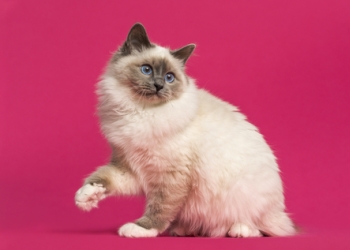
Known as the “Sacred Cat of Burma,” the Birman is a breed steeped in mystery, elegance, and ancient legend. Characterized by their striking sapphire-blue eyes, silky coats, and distinctive white “mittens,” these felines are often described as the perfect middle ground for cat enthusiasts. They possess the color-pointed beauty of the Siamese but without the demanding vocalizations, and the long-haired luxury of the Persian without the intense daily grooming requirements. Whether you are a first-time owner or a seasoned feline aficionado, the Birman offers a unique blend of affection, intelligence, and tranquility. As we move into 2024, the popularity of the Birman continues to surge, particularly among families and remote workers who value a companion that is both interactive and respectful of a peaceful home environment. This guide explores everything from their mystical origins to the practicalities of their health and daily care.
The Legend and History of the Sacred Cat
The history of the Birman is as much about mythology as it is about biology. Legend has it that the breed originated in the Buddhist temples of Burma (now Myanmar). According to folklore, a pure white cat lived in the Temple of Lao-Tsun alongside a priest named Mun-Ha. When the priest was killed by invaders, the cat stayed by his side, and a transformation occurred: the cat’s coat turned golden, his eyes became blue like the goddess Tsun-Kyan-Kse, and his paws remained pure white as a symbol of the priest’s untainted soul. While the scientific reality likely involves crosses between Siamese and long-haired breeds in France during the early 20th century, the mystical aura of the Birman remains a core part of its charm.
In the modern era, the Birman was almost lost during World War II, with only two cats remaining in Europe at one point. Through careful breeding and dedication, the breed was revived and eventually recognized by the Cat Fanciers’ Association (CFA) in 1967. Today, they are consistently ranked among the top ten most popular long-haired breeds globally, prized for their consistent temperament and show-stopping aesthetics.
Physical Characteristics: More Than Just a Pretty Face
The Birman is a medium-to-large cat, typically weighing between 10 and 18 pounds. Unlike the sleek, angular frame of the Siamese, the Birman has a sturdier, heavier bone structure and a rounder face. Their ears are medium-sized and set wide apart, contributing to an expression that is soft and inquisitive.
- The Coat: Birmans possess a medium-long, single-layered coat. Because they lack a thick undercoat, they are much less prone to matting than other long-haired breeds. This silky texture is a hallmark of the breed.
- The Mittens: Perhaps the most defining feature is the white “gloves” on the front paws and “laces” on the back paws. For show-quality Birmans, these white markings must be symmetrical and extend up to the ankles.
- Color Points: Much like the Siamese, Birmans are born white and develop their “points” (color on the face, ears, tail, and legs) as they age. Common colors include seal, blue, lilac, and chocolate.
To keep their unique coat looking its best, choosing the right environment is key. For instance, maintaining a clean home and using high-quality litter is essential for long-haired breeds. If you are considering a transition in your cat’s routine, you might want to learn how to transition your cat to Kocat natural cat litter to maintain their coat hygiene and health.
Temperament: The Ultimate Companion
The Birman is often called a “people cat.” They are exceptionally social and tend to bond deeply with their owners, often choosing one specific person as their favorite. While they are playful and enjoy a good chase with a feather toy, they are not hyperactive. They are perfectly content to spend hours as a lap cat while you read or work.
Interestingly, Birmans are known for being “helpers.” They are curious and like to be involved in whatever their humans are doing, whether it is folding laundry or typing on a laptop. They have soft, chirpy voices and will “talk” to you, though they are far less loud than their Siamese cousins. They generally get along well with children and other pets, including dogs, making them a versatile choice for multi-pet households. If you are comparing larger breeds for companionship, you might also be interested in our cat breed guide for the Maine Coon to see which personality fits your lifestyle better.
Health and Longevity: Protecting Your Birman
Birmans are generally healthy and can live between 12 and 16 years, with some reaching their late teens. However, like all purebred cats, they are predisposed to certain genetic conditions. Responsible breeders screen for Hypertrophic Cardiomyopathy (HCM), a common form of heart disease in cats, and Polycystic Kidney Disease (PKD).
Obesity is another concern for this breed, as their sturdy build can easily hide extra weight. Because they are not as active as some other breeds, monitoring their caloric intake is vital. Maintaining a healthy weight is one of the best strategies for supporting cat wellness and preventing joint issues later in life. Regular veterinary check-ups and pet insurance are highly recommended to manage the costs of potential hereditary conditions or accidents.
Expert Tip: Dental Care
Birmans can be prone to periodontal disease. Expert veterinarians suggest starting a teeth-brushing routine early in kittenhood. If brushing is too difficult, dental treats and water additives can help, but nothing replaces the efficacy of a professional cleaning.
Grooming and Daily Maintenance
Despite their long hair, Birmans are relatively low-maintenance. Their single coat means they don’t develop the painful mats that double-coated breeds do. A weekly brushing with a stainless-steel comb is usually enough to remove loose fur and keep the coat silky. During the shedding seasons of spring and fall, you may want to increase this to two or three times a week.
Claw trimming every few weeks and ear cleaning are also standard parts of the Birman maintenance routine. Because they are so docile, most Birmans tolerate these grooming sessions well, especially if they are introduced to them at a young age with positive reinforcement.
Is a Birman Cat Right for You?
The Birman is ideal for owners who want an affectionate, beautiful, and relatively quiet companion. They do not do well in homes where they are left alone for very long periods; they thrive on interaction and often do best if they have another feline or canine friend to keep them company. If you are looking for a cat that is as smart as it is beautiful, the Birman is a top-tier choice.
Expert Verdict
Dr. Fiona Lee, DVM, notes that the Birman’s gentle temperament makes them excellent therapy animals. Their predictable behavior and moderate energy levels make them suitable for apartment living as well as larger family homes. For those who want the look of a “show cat” with the personality of a best friend, the Birman is hard to beat.
Frequently Asked Questions (FAQ)
Do Birman cats shed a lot?
While they have long hair, Birmans shed less than many other long-haired breeds because they lack a thick undercoat. Regular weekly brushing significantly reduces the amount of hair found around the home.
Are Birmans hypoallergenic?
No, Birman cats are not hypoallergenic. They produce the Fel d 1 protein in their saliva and skin oils, which is the primary cause of cat allergies in humans.
Can Birman cats be left alone?
Birmans are very social and can become lonely or depressed if left alone for an entire workday. If you work long hours, it is highly recommended to have a second pet to provide companionship for your Birman.
Are they good with dogs?
Yes! Birmans are known for their easy-going nature and typically adapt very well to living with cat-friendly dogs.
How big do Birman cats get?
An adult Birman typically weighs between 10 and 18 pounds, with males generally being larger and heavier than females.
Conclusion
The Birman cat is a masterclass in feline balance. They offer the stunning visual appeal of a point-colored cat with a temperament that is both engaging and calm. By understanding their history, respecting their social needs, and staying proactive with their health, you can enjoy a deep and rewarding bond with this “Sacred” breed. Whether they are perched on your shoulder or curled up in your lap, the Birman is sure to bring a touch of ancient elegance and modern joy to any household.


