As the summer sun reaches its zenith and temperatures climb to record-breaking heights, pet owners across the globe are looking for innovative ways to keep their canine and feline companions cool. While ensuring your pet has constant access to fresh water and shade is foundational, the modern pet parent is looking for something a bit more festive. Enter the world of gourmet summer pet treats—ranging from sophisticated “Doggy Martinis” to nutrient-packed frozen “pupsicles.” These treats do more than just provide a tasty snack; they offer vital hydration and mental stimulation during those long, sweltering afternoons. With rising global temperatures, it is vital to beat the heat and protect your pet’s health during peak summer months, and what better way to do so than with a refreshing, pet-safe cocktail?
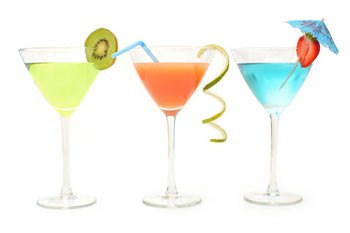
The Rise of Pet Mixology: Crafting the Perfect Doggy Martini
The concept of a “Doggy Martini” or a “Bark-tini” has taken social media by storm in 2024. However, it is important to clarify immediately: these drinks are strictly non-alcoholic. Alcohol is highly toxic to pets and should never be shared. Instead, a Doggy Martini is a sophisticated blend of hydrating liquids and flavor enhancers designed to mimic the appearance of a human cocktail while providing nutritional benefits.
To create a standard Doggy Martini, start with a base of low-sodium beef or chicken broth. It is essential to choose a broth that is free from onions, garlic, and excessive salt, as these ingredients can lead to gastrointestinal distress or more serious toxicities. For the “vermouth” splash, many pet owners use a bit of 100% pure carrot juice or a teaspoon of goat’s milk for creaminess. Shake these ingredients over ice (which adds a cooling element) and strain into a sturdy, pet-safe bowl. For the iconic garnish, replace the traditional olive with a frozen green bean or a small piece of seedless watermelon. Not only does this look adorable for your summer photos, but it also provides a crunch that dogs love.
Catniptinis for Our Feline Friends
Cats need not feel left out of the summer festivities. A “Catniptini” can be crafted using the water from a can of tuna (packed in water, not oil) and a sprinkle of high-quality organic catnip. This encourages hydration in cats, who are notoriously picky about their water intake. If you have a picky eater, you might find inspiration in this guide to flavor enhancers which can be adapted for treat making, ensuring your cat stays interested in their cooling snacks.
Frozen Pupsicles: The Ultimate Cooling Tool
Frozen treats are perhaps the most effective way to lower a pet’s core temperature. According to recent 2024 veterinary data, pets that engage with frozen treats during heatwaves show lower signs of heat-related stress. Pupsicles can be made using silicone molds or even simple ice cube trays. Popular recipes include:
- The PB & J Freeze: Mix natural, xylitol-free peanut butter with mashed strawberries and water. Freeze until solid.
- The Tropical Breeze: Combine unsweetened coconut water with small chunks of pineapple and mango.
- The Savory Cube: Freeze bits of cooked chicken or turkey inside blocks of ice to create a “treasure hunt” as the ice melts.
These treats provide prolonged engagement, which is excellent for mental health. Comforting your pet is a lifelong commitment, as explored in our guide on providing comfort at every stage of life, and cooling snacks play a major role in that comfort during the senior years especially.
2024 Trends: Functional Ingredients and Human-Grade Standards
The pet treat industry has seen a massive shift toward functional nutrition. In 2024, nearly 60% of pet owners reported that they prefer treats that offer health benefits beyond basic calories. When making your summer treats, consider adding these “superfoods”:
- Blueberries: Packed with antioxidants to support cognitive function.
- Greek Yogurt: Provides probiotics for gut health (ensure it is plain and xylitol-free).
- Pumpkin: High in fiber and great for digestion, even when frozen.
- Parsley: A natural breath freshener that can be blended into green “smoothie” treats.
A recent case study from a leading veterinary university highlighted that dogs given “functional frozen treats” containing Omega-3 fatty acids showed improved coat shine and reduced skin inflammation during the dry summer months. This reinforces the idea that what we put in our pets’ bowls directly impacts their long-term vitality.
Expert Verdict: Safety First
Dr. Fiona Lee, DVM, emphasizes that while DIY treats are wonderful, moderation is key. Treats should never exceed 10% of a pet’s daily caloric intake. Furthermore, it is critical to avoid toxic ingredients such as grapes, raisins, chocolate, macadamia nuts, and anything containing Xylitol (Birch Sugar). Xylitol is increasingly common in peanut butters and yogurts and is extremely lethal to dogs. Always read the label before mixing ingredients.
Additionally, be mindful of “ice brain freeze.” While rare, some pets might experience a mild headache if they consume large amounts of frozen treats too quickly. Monitor your pet and encourage them to lick the treat rather than gulping it whole.
Frequently Asked Questions (FAQ)
Is it safe to give my dog ice cubes?
Yes, for most dogs, ice cubes are a safe and calorie-free way to stay cool. However, for dogs with dental issues or very small breeds, use crushed ice to prevent the risk of tooth fractures or choking.
Can I use store-bought broth for Doggy Martinis?
Only if it is labeled as low-sodium and contains no onions or garlic. Many commercial broths contain onion powder for flavor, which is toxic to dogs and cats as it can damage red blood cells.
How often can I give my pet a frozen treat?
As long as the ingredients are healthy and the treat fits within their daily calorie limit, one small frozen treat per day during hot weather is generally acceptable.
Are there any fruits I should avoid in my summer recipes?
Avoid grapes, raisins, and cherries. Also, ensure all pits and seeds are removed from safe fruits like apples, peaches, and watermelons, as they can cause intestinal blockages or contain trace amounts of cyanide.
Conclusion
Summer is a time for making memories with our four-legged family members. By taking a few extra minutes to whip up a batch of Doggy Martinis or frozen yogurt drops, you are doing more than just feeding them; you are ensuring their safety, hydration, and happiness. As we navigate the warmer seasons of 2024 and beyond, these simple, healthy, and cooling snacks will remain a staple in responsible pet ownership. So, raise a bowl of broth, garnish it with a green bean, and toast to a safe and refreshing summer with your pet!


