When you first meet Bella, a vibrant and bouncy Boxer dog, you immediately understand why this breed has remained a staple in the hearts of families worldwide for decades. Boxers are often referred to as the “Peter Pans” of the canine world because they maintain a puppy-like exuberance well into their senior years. Bella, like many of her kin, is a whirlwind of muscle, wagging tails, and an almost comical sense of curiosity. However, owning a Boxer like Bella involves more than just playing fetch; it requires a deep understanding of their unique physical needs, their intense loyalty, and the specific health challenges they may face. As we move into 2024, the popularity of the Boxer remains high, ranking consistently within the top 20 breeds according to the American Kennel Club (AKC), largely due to their protective yet goofy nature.
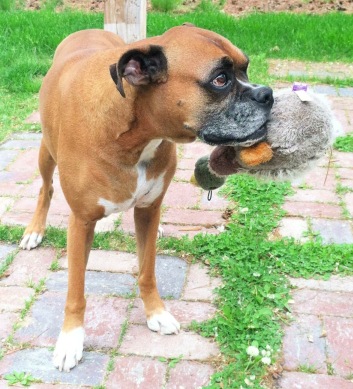
The Boxer Personality: Why Bella is the Ultimate Family Companion
The Boxer is a breed that thrives on human interaction. To know Bella is to know a dog that believes she is a lap dog, despite weighing sixty pounds. Historically, Boxers were developed in Germany in the late 19th century as hunting dogs and later as guard dogs. Today, those traits translate into a dog that is incredibly watchful over its “pack.” Boxers are known for their high emotional intelligence, often picking up on their owner’s moods and reacting with either gentle comfort or celebratory play.
One of the most distinctive traits of a Boxer is the “Boxer wiggle.” Because their tails are often docked (though this practice is evolving), they tend to wiggle their entire hindquarters to show excitement. When observing 6 ways your dog is telling you theyre happy, the Boxer’s full-body shake is perhaps the most unmistakable sign of canine joy. This temperament makes them excellent for active families with children, provided they are given the structure and training they need to manage their strength.
Health and Wellness: Protecting Your Boxer’s Future
While Bella radiates health today, Boxers are genetically predisposed to several significant health issues. As Dr. Jack L. Stephens, a pioneer in the pet insurance industry, has often noted, proactive care is the best way to ensure a long life for high-risk breeds. Boxers are particularly susceptible to Boxer Cardiomyopathy (an irregular heartbeat), hip dysplasia, and certain types of cancers, specifically mast cell tumors. Statistical data from 2023 indicates that Boxers are among the breeds most likely to require specialist veterinary intervention throughout their lives.
Regular check-ups are non-negotiable. Owners should be aware of the top 5 dangerous dog diseases that require quick vet intervention to ensure that any sign of heart distress or respiratory issues is caught early. Because Boxers are brachycephalic (short-nosed), they are also prone to overheating. In the warming climates of 2024, it is vital to keep your Boxer hydrated and cool during summer months, as they cannot regulate their body temperature as efficiently as long-snouted breeds.
Nutrition and Routine Maintenance
To keep Bella in peak condition, a high-protein diet tailored to active breeds is essential. Many Boxer owners are now moving toward “novel proteins” to avoid common allergies, which Boxers often develop. Furthermore, maintenance doesn’t stop at the food bowl. Boxers have short coats that require minimal grooming, but they are prone to dental issues due to their jaw structure. Implementing the ultimate guide to routine pet dental care can prevent periodontal disease, which is linked to heart problems—a major concern for this breed.
Exercise and Training: Channelling the Boxer Energy
A tired Boxer is a well-behaved Boxer. Bella requires at least 60 to 90 minutes of vigorous exercise every day. This isn’t just about physical walking; it’s about mental stimulation. Boxers are highly intelligent and can become destructive if they are bored. High-intensity games like flirt poles, agility training, or even advanced obedience classes are perfect for this breed. In 2024, many owners are utilizing wearable pet technology to track their dog’s activity levels, ensuring their Boxers are hitting their daily movement targets to prevent obesity, which can exacerbate heart and joint problems.
Training should always be positive and reward-based. Boxers are sensitive and do not respond well to harsh corrections. They want to please their owners, but they also have a stubborn streak that requires a patient, consistent leader. Early socialization is critical to ensure their natural guarding instincts don’t turn into over-protectiveness or aggression toward strangers.
The Expert Verdict: Is the Boxer Right for You?
After reviewing the care requirements and the sheer joy a dog like Bella brings, the expert verdict is clear: the Boxer is a top-tier companion for the right household. However, they are not “low-maintenance” dogs. They require financial commitment for potential health issues, significant time for exercise, and a lot of emotional investment. If you live in an apartment and work 12-hour days, a Boxer may struggle. If you have an active lifestyle and want a loyal “best friend” who will follow you from room to room, the Boxer is unmatched.
Frequently Asked Questions (FAQ)
- How long do Boxers typically live? Most Boxers have a lifespan of 10 to 12 years. Maintaining a lean weight and regular cardiac screenings can help maximize their golden years.
- Are Boxers good with other pets? Generally, yes. Boxers can be very playful with other dogs. However, they can be dominant, so proper introductions and socialization from a young age are key.
- Do Boxers shed a lot? They are moderate shedders. Their hair is short and stiff, which can stick to upholstery, but a weekly brushing with a rubber curry comb usually keeps it under control.
- Why do Boxers snore? Due to their brachycephalic facial structure, many Boxers snore. While often harmless, excessive gasping or loud snoring should be evaluated by a vet to rule out respiratory obstruction.
- Is pet insurance necessary for a Boxer? Given their predisposition to heart issues and tumors, insurance is highly recommended. Policies often help cover the high costs of diagnostics like echocardiograms and oncology treatments.
Conclusion
Meeting Bella the Boxer is a reminder of the incredible bond between humans and dogs. These animals are more than just pets; they are guardians, entertainers, and devoted friends. By understanding the specific needs of the Boxer breed—from their exercise requirements to their unique health profile—you can ensure that your Boxer leads a life that is as full and vibrant as their personality. Whether it’s through rigorous training or simple afternoon cuddles, life with a Boxer like Bella is an adventure that rewards you with a lifetime of unconditional love.


