The word ‘cancer’ is arguably the most spine-chilling term a pet owner can encounter in a clinical setting. Hearing a veterinarian diagnose your beloved companion with canine cancer is a bombshell that leaves even the most resilient owners feeling worried and downhearted. Because canine cancer can be particularly difficult to detect in its early stages, it is common for dog owners to experience a profound sense of guilt. They often feel they should have noticed a lump sooner or scheduled a wellness exam earlier. However, as we navigate through 2024, the landscape of veterinary oncology has shifted dramatically. While these emotions are natural, it is vital for pet owners to understand that modern treatments for dog cancer are increasingly effective. A diagnosis is no longer an automatic death sentence; rather, it is the beginning of a managed health journey. Modern science allows many dogs to continue living full, comfortable, and vibrant lives post-diagnosis.
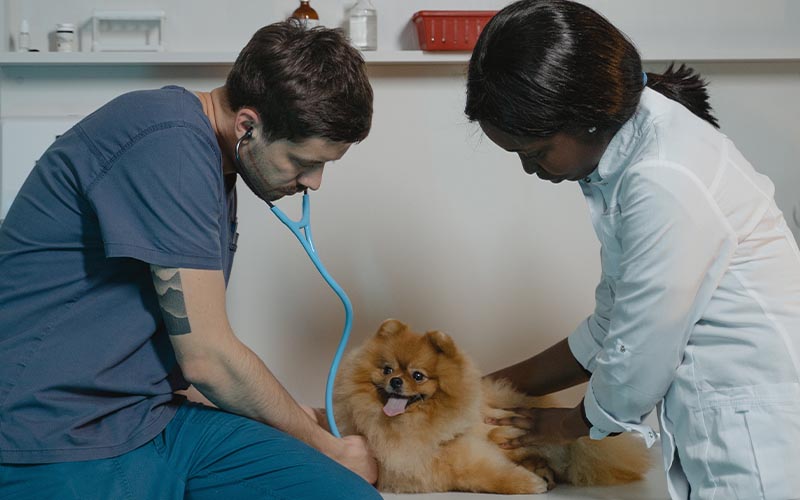
In this comprehensive guide, we will explore the nuances of various canine cancers, the red flags every owner must monitor, and the cutting-edge treatment protocols available today. By empowering yourself with knowledge, you can transform fear into action and provide your furry friend with the best possible care. To understand the gravity of the situation, one must look at current data: current statistics from the Veterinary Cancer Society suggest that 1 in 4 dogs will develop some form of neoplasia during their lifetime, with that number rising to 50% for dogs over the age of 10. This makes cancer the leading cause of death in senior canines, highlighting the necessity of proactive screening.
Understanding the Major Types of Canine Cancer
1. Osteosarcoma: The Bone Specialist
Osteosarcoma is a highly aggressive form of bone cancer that primarily affects the skeletal system. It is most commonly diagnosed in large and giant breeds, such as Great Danes, St. Bernards, German Shepherds, and Rottweilers. This malignancy is driven by abnormal cells that accumulate and form tumors, usually in the limbs, though it can also manifest in the jaw, ribs, or pelvis. The primary symptom is often a persistent limp or a swelling that feels hard to the touch. While the prognosis for osteosarcoma was once considered dire, 2024 treatment data shows that approximately 28 percent of dogs receiving a combination of limb-sparing surgery and systemic chemotherapy survive at least two years post-diagnosis. This represents a significant improvement over traditional outcomes, offering hope to families with large-breed companions.
2. Oral Melanoma: The Silent Invader
Statistics indicate that approximately 7 percent of all malignant canine tumors are located within the oral cavity. Oral melanoma is particularly prevalent in male dogs and specific breeds like Chow Chows, Golden Retrievers, and Pekingese. As a general rule, dogs with darkly pigmented tongues and gums seem to be diagnosed with this type of cancer more frequently. Because these tumors are hidden inside the mouth, they are often not discovered until they have reached an advanced stage. Owners should look for signs like bad breath, difficulty eating, or bleeding from the mouth. On a brighter note, the average age of presentation is 11.4 years, and recent breakthroughs include a DNA-based therapeutic vaccine that stimulates the dog’s immune system to target and destroy cancerous cells, significantly extending survival times.
3. Lymphoma: Cancer of the Immune System
Lymphoma is one of the most common and recognizable forms of cancer, affecting the lymph nodes and bone marrow. Currently, veterinary medicine recognizes more than 40 different types of canine lymphoma, each with unique progression patterns. The most common sign is the hardening and swelling of lymph nodes, which can be felt under the jaw, behind the knees, or in the armpits. Breeds like Boxers, Bull Mastiffs, and Bulldogs are genetically predisposed to this condition. Because lymphoma is a systemic disease, it requires systemic treatment, typically in the form of multi-agent chemotherapy protocols like the CHOP protocol, which has high success rates in inducing remission.
Identifying the Red Flags: Symptoms and Warning Signs
Determining if a dog has cancer is rarely a straightforward process. Symptoms vary wildly depending on the location of the tumor and the stage of the disease. However, vigilance is your best tool. You should always keep an eye out for 10 critical warning signs your pet needs an urgent vet visit, as these can often be the first indicators of an internal malignancy. Some of the most frequent indicators include persistent cough or difficulty breathing, sores that do not heal, abnormal swellings that continue to grow, and unexplained weight loss or loss of appetite. If you notice a change in your dog’s energy levels or a reluctance to exercise, do not dismiss it as ‘just getting old.’ Early detection is the single most important factor in successful cancer management.
The Diagnostic Process: Precision and Accuracy
When you take your pet to the vet for a suspected growth, the professional will likely start with comprehensive blood work. While routine, it is important to note that many cancers do not show up on a standard CBC or chemistry panel. To get a definitive answer and avoid the complications that can arise from delayed pet visits, your vet may recommend specialized screenings. These include Screening Tests for biomarkers like serum TK levels and C-reactive protein (CRP), which indicate inflammation or rapid cell division. Biopsies involve the surgical removal of tissue for laboratory analysis, while Fine Needle Aspirates (FNA) offer a less invasive way to collect cells using a small needle. In 2024, many specialty clinics also offer advanced imaging like CT scans and MRIs to determine if the cancer has spread (metastasized) to other organs.
Modern Treatment Modalities
Today’s treatment options are more diverse than ever before. Surgery remains the cornerstone for localized tumors, aiming to remove the mass with ‘clean margins.’ Chemotherapy in dogs is far better tolerated than in humans; veterinarians focus on quality of life, using dosages that minimize side effects like nausea and hair loss. Methods include oral, intravenous, and even topical administration. Radiation Therapy is used to shrink tumors that cannot be surgically removed or to clean up remaining cells after surgery. Additionally, Immunotherapy is an emerging field, utilizing the body’s own defenses to fight the disease, which is often less toxic than traditional chemicals.
Expert Review: Managing the Financial and Emotional Burden
Experts agree that the greatest hurdle to treating canine cancer is often financial. Advanced treatments like radiation or specialized chemotherapy can cost thousands of dollars. Many owners find themselves in the heartbreaking position of having no pet insurance and no money for a vet when a crisis hits. This highlights the importance of proactive financial planning or securing comprehensive insurance policies early in a dog’s life. From a clinical perspective, the verdict is clear: with early intervention and a tailored treatment plan, a cancer diagnosis is a challenge to be met, not a signal to give up.
Frequently Asked Questions (FAQ)
- Is dog cancer contagious to humans or other pets? No, cancer is a result of internal cellular mutations and cannot be spread between individuals or species.
- Will chemotherapy make my dog lose all their hair? Most dogs do not lose their fur like humans do, though certain breeds with continuously growing hair (like Poodles) may experience thinning.
- Can diet prevent dog cancer? While no diet is a 100% guarantee, high-quality proteins and antioxidants can support a healthy immune system.
- How long can a dog live with untreated cancer? This depends entirely on the type. Some slow-growing skin tumors may allow for years of life, while aggressive internal cancers may progress in weeks.
- Is radiation therapy painful for dogs? The procedure itself is not painful, though it requires brief anesthesia to keep the dog still, and some localized skin irritation may occur afterward.
Conclusion
Navigating a dog cancer diagnosis is an emotional journey that requires resilience, information, and a strong partnership with your veterinarian. By understanding the specific types of cancer, recognizing early warning signs, and embracing modern diagnostic and treatment tools, you provide your pet with the ultimate gift: a chance at a longer, happier life. Remember, the goal of veterinary oncology is not just to add years to your dog’s life, but to add life to their years. Stay vigilant, stay informed, and cherish every moment with your furry companion.


