Independence Day is a hallmark of American summer, filled with the aroma of charcoal grills, the laughter of friends, and the spectacular, booming displays of fireworks that illuminate our night sky. For us, it is a time of celebration and patriotism. However, as a long-time pet owner and exotic animal enthusiast, I have seen firsthand that what we perceive as a party can feel like a war zone for our four-legged, feathered, and scaled companions. The sudden loud bangs, the blinding flashes, and the chaotic energy of a holiday gathering can turn a happy household into a den of anxiety and physical danger for pets.
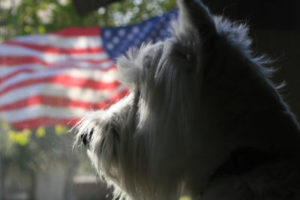
It is heartbreaking to realize that more pets go missing on the Fourth of July than any other day of the year. Our local shelters often see a massive influx of runaway dogs and cats in the days following the holiday, many of whom were spooked by the very fireworks we find so beautiful. Beyond the noise, the typical holiday barbecue presents its own set of unique hazards, from toxic foods to buzzing pests that carry hidden diseases. In this comprehensive guide, we are going to dive deep into how you can safeguard your entire animal family during the festivities, drawing on veterinary expertise and real-world experience to ensure this holiday remains a joyful one for everyone in your home.
The Psychology of Fireworks Anxiety: Why Pets Panic
To effectively protect our pets, we first have to understand why fireworks are so uniquely terrifying to them. Unlike us, animals don’t understand that the loud booms are symbolic and controlled. To a dog or a cat, those sounds mimic the threat of a severe thunderstorm or an explosion. Furthermore, their hearing is significantly more sensitive than ours. While we hear a loud bang, a dog may experience that sound at a frequency and volume that is physically painful. This sensory overload often triggers a “fight or flight” response, leading to the erratic behavior we often see.
Dr. Stacy Eckman, a clinical associate professor at the Texas A&M College of Veterinary Medicine & Biomedical Sciences, notes that the primary cause of holiday injuries involves pets attempting to escape the noise. “The injuries range from minor cuts and lacerations to more serious injuries, such as being hit by a vehicle,” Eckman explains. When an animal is in a state of high anxiety, they will do almost anything to find safety—this includes jumping through glass windows, digging under fences, or breaking through crates.
If you have noticed your pet trembling, panting excessively, or hiding during loud noises, they are likely suffering from noise phobia. For more detailed insights on identifying these behaviors, you can check out our guide on anxiety management tips for pets. Understanding these cues early is the first step in creating a proactive safety plan.
Creating a Safe Haven: Preparing Your Home Environment
The best way to manage fireworks anxiety is to minimize your pet’s exposure to the stimuli. On the Fourth of July, your home should become a fortress of calm. I recommend identifying a “safe room” well in advance—ideally an interior room without many windows, such as a large walk-in closet or a finished basement. This room should be stocked with their favorite bed, familiar toys, and perhaps an unwashed t-shirt that smells like you to provide extra comfort.
To dampen the sound of the explosions outside, you can use “white noise.” Turning on a fan, a white noise machine, or even playing calming classical music can help mask the sharp cracks of the fireworks. Many pet owners also find success with pressure wraps, which are designed to provide a constant, gentle pressure that mimics the feeling of being held, much like swaddling a baby. If you are looking for more ways to optimize your living space for your pet’s security, consider reading about creating a safe pet-friendly environment.
For animals with extreme phobias, behavior modification and environment management might not be enough. In these cases, it is vital to consult your veterinarian about pharmaceutical options. There are several safe, fast-acting sedative or anti-anxiety medications that can be administered a few hours before the noise begins to help your pet sleep through the worst of it. Never use human medications or over-the-counter supplements without professional guidance.
The Hazards of the Holiday Barbecue
While the fireworks are the most obvious threat, the barbecue itself is a minefield of dietary dangers. We all love to treat our pets, but “human food” at a cookout is often high in fat, salt, and spices that can wreak havoc on an animal’s digestive system. Table scraps can lead to acute pancreatitis, a painful and potentially life-threatening inflammation of the pancreas.
Toxic Foods to Avoid
- Bones and Corn Cobs: Cooked bones can splinter and pierce the digestive tract, while corn cobs are a notorious cause of intestinal blockages that require surgery.
- Onions and Garlic: Often found in marinades and burgers, these are toxic to both dogs and cats and can damage their red blood cells.
- Alcohol: It should go without saying, but keep your drinks out of reach. Alcohol is extremely toxic to pets and can cause respiratory failure.
- Xylitol: This artificial sweetener is found in many sugar-free desserts and some ketchups. Even small amounts can be fatal to dogs.
If you want to keep your pet involved in the festivities, have a stash of pet-safe treats ready so guests aren’t tempted to feed them scraps. Educating your visitors is key; make sure everyone knows that the dog or cat is on a strict diet for their own safety.
Hidden Threats: Mosquitoes, Ticks, and Heartworms
July is the peak of summer, and that means pests are out in full force. If your Fourth of July plans involve spending significant time outdoors, you must consider the biological threats posed by mosquitoes and ticks. Mosquitoes are not just an annoyance; they are the primary vector for heartworm disease, a condition that can be fatal if left untreated. Heartworms reside in the heart and lungs, causing severe damage over time.
Dr. Eckman emphasizes the importance of preventative care: “Since heartworms are transmitted to pets through mosquitoes, also make sure your pet is taking heartworm preventative before they enjoy the holiday outdoors.” Additionally, ticks can transmit Lyme disease and Rocky Mountain spotted fever. Before the holiday arrives, ensure your pet is up to date on their veterinarian-prescribed flea, tick, and heartworm prevention. For more info on keeping your outdoor space safe, explore our article on common garden hazards for pets.
Special Considerations for Exotic Pets
As an exotic pet enthusiast, I would be remiss if I didn’t mention our smaller friends. Guinea pigs, rabbits, and birds are incredibly sensitive to noise and vibrations. For a small mammal, the thumping of fireworks can be terrifying. If your exotic pets live in an outdoor hutch, move them inside or into a garage for the night. Cover their cages with a thick blanket to help muffle the sound and block out light flashes, ensuring there is still adequate ventilation.
Birds, in particular, are prone to night frights. A sudden flash of light or a loud bang can cause a bird to thrash in its cage, leading to broken blood feathers or worse. Keeping them in a darkened, quiet room with a familiar nightlight can help them feel secure during the celebratory chaos.
People Also Ask: Fourth of July Pet Safety FAQ
Can I give my dog Benadryl for fireworks anxiety?
While Benadryl is sometimes used for mild sedation, it does not treat the underlying anxiety. It may make your dog drowsy but leave them still terrified. It is always best to consult your vet for medications specifically designed for noise phobias.
What should I do if my pet runs away during fireworks?
Immediately contact local shelters, animal control, and nearby veterinary clinics. Post on social media and local community groups. Ensure your pet’s microchip information is up to date before the holiday so you can be reached if they are found.
Are sparklers dangerous for pets?
Yes. Sparklers reach temperatures of up to 2,000 degrees Fahrenheit. They can cause severe thermal burns to a pet’s skin or mouth if they try to sniff or grab them. Keep all pyrotechnics, even small ones, far away from animals.
Is it okay to leave my pet in the car during fireworks?
No. Never leave a pet in a car during the summer heat, and certainly not during fireworks. The enclosed space can amplify the sound, and the heat can become lethal within minutes.
Expert Verdict: Preparation is the Best Protection
The Fourth of July should be a day of happiness, but as responsible pet parents, our priority must be the safety and comfort of our animals. By creating a secure environment, preventing access to toxic foods, and staying vigilant about pest protection, we can mitigate the vast majority of holiday risks. If your pet has a history of severe anxiety, do not wait until July 3rd to act. Schedule a visit with your veterinarian now to discuss a comprehensive plan.
Ultimately, if you aren’t sure if your pet can handle the festivities, the kindest thing you can do is let them stay home in a quiet, climate-controlled environment. They won’t feel like they’re missing out on the party; instead, they will feel safe, loved, and protected from a world that—for one night—is just a little too loud.
Key Takeaways for a Safe Holiday:
- Secure the perimeter: Check fences and locks to prevent escapes.
- ID is vital: Ensure collars are on and microchips are updated.
- Watch the plate: No bones, no fatty scraps, and no alcohol.
- Consult the pros: Talk to your vet about anxiety meds and pest preventatives.
- Stay cool: Provide plenty of fresh water and shade if pets are outdoors.


