Every cat owner is intimately familiar with the rhythmic, hacking sound of a feline preparing to deposit a soggy mass of fur onto the carpet. While it is often treated as a minor inconvenience of pet ownership, the formation of hairballs—medically known as trichobezoars—is a complex physiological process that warrants careful attention. Cats are meticulously clean creatures, spending up to 50% of their waking hours grooming themselves. This fastidious nature, while admirable, leads to the ingestion of significant amounts of loose fur. For most cats, this hair passes through the digestive tract without issue. However, when the volume of hair exceeds the body’s ability to process it, the result is a hairball. Understanding the nuances of feline grooming, digestion, and behavior is the first step in ensuring your pet remains healthy and comfortable. In this comprehensive guide, we will explore the science behind these hairy occurrences and provide actionable strategies for management.
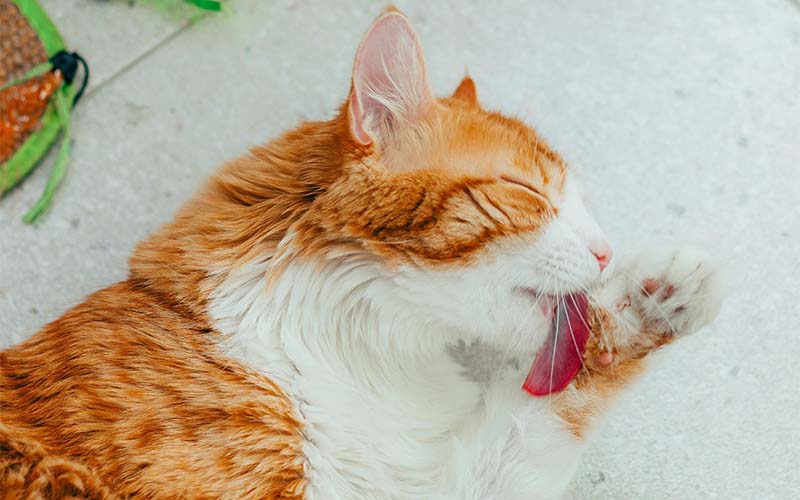
Decoding the Trichobezoar: Why Cats Get Hairballs
To effectively manage hairballs, we must first understand why they occur. A cat’s tongue is covered in hundreds of tiny, backward-facing hooks called papillae. These structures are made of keratin and act like a natural hairbrush, efficiently snagging loose fur, dirt, and debris. Because of the orientation of these hooks, anything caught on the tongue is almost inevitably swallowed. Under normal circumstances, this hair moves through the esophagus, into the stomach, and eventually exits through the litter box. However, if the hair remains in the stomach, it can tangle with food particles and mucus, eventually forming the characteristic cigar-shaped mass we recognize as a hairball.
While occasional hairballs (roughly once every few months) are considered normal for many breeds, frequent occurrences may signal a breakdown in the digestive process. Data from veterinary clinics in 2024 suggests that nearly 15% of cats suffer from chronic hairball issues that require medical or dietary intervention. Long-haired breeds, such as Persians and Maine Coons, are naturally more susceptible due to the length and volume of their coat, but short-haired cats are not immune, especially during seasonal shedding cycles.
Identifying Warning Signs and Potential Blockages
A hairball is not always a harmless byproduct of grooming. In some instances, a trichobezoar can become too large to pass through the narrow sphincters of the digestive system. This can lead to a life-threatening intestinal blockage. As a responsible owner, you should monitor your cat for signs of distress that go beyond the occasional hack. If your cat is unproductive in its attempts to vomit—meaning they are retching but nothing comes up—this is a significant red flag. Other symptoms of a dangerous blockage include lethargy, a sudden loss of appetite, and either diarrhea or a complete lack of bowel movements. If you notice these signs, immediate veterinary consultation is mandatory.
In addition to physical blockages, frequent hairballs can sometimes mask underlying gastrointestinal diseases, such as Inflammatory Bowel Disease (IBD). When the gut is inflamed, its motility—the ability to move contents along the tract—is compromised, making it easier for hair to accumulate. To better understand the relationship between gut health and general wellness, many owners find it helpful to learn improve your pet’s digestive health strategies, as the principles of high-quality fiber and hydration often apply across species.
The Power of Proactive Grooming
The most effective way to manage hairballs is to prevent the hair from entering the cat’s stomach in the first place. This is where mechanical intervention—otherwise known as brushing—becomes vital. By removing loose fur before the cat can lick it away, you directly reduce the hairball load. The choice of tool matters: slicker brushes are excellent for removing surface debris, while de-shedding tools like the Furminator can reach the dense undercoat where most loose hair resides. For those looking for a comprehensive routine, learning how to keep your cat’s coat healthy and minimize hairballs through daily sessions can drastically reduce the frequency of trichobezoars.
Grooming is also an excellent opportunity to check for skin irritations or parasites. Fleas or allergies can cause a cat to overgroom, essentially “power-grooming” themselves due to itchiness, which leads to an exponential increase in swallowed hair. If your cat’s grooming habits seem obsessive, a trip to the vet to rule out dermatitis or stress-induced alopecia is warranted.
Dietary Solutions and Hydration
Nutrition plays a pivotal role in feline digestive efficiency. Modern pet food technology has led to the development of specialized “Hairball Control” formulas. These diets typically feature increased fiber content (both soluble and insoluble) which helps “sweep” the hair through the intestines. Common ingredients include beet pulp, powdered cellulose, and miscanthus grass. Additionally, omega-3 and omega-6 fatty acids are often added to these diets to improve skin health, thereby reducing excessive shedding.
Hydration is the other side of the nutritional coin. A dehydrated cat has a sluggish digestive system, making hair more likely to clump in the stomach. Since cats naturally have a low thirst drive, providing a water fountain or incorporating wet food into their daily routine is essential. You can also explore strategies for seasonal cat hair control to manage the hair that ends up in your home environment, which further reduces the amount of environmental fur your cat might ingest while cleaning themselves or their bedding.
Behavioral Factors: Stress and Overgrooming
It is important to recognize that grooming is not just about cleanliness; it is a self-soothing behavior. Cats under stress—due to a move, a new pet, or even changes in their owner’s schedule—may turn to overgrooming as a coping mechanism. This psychological component can lead to bald patches and, subsequently, a surge in hairballs. Enriching your cat’s environment with climbing trees, interactive toys, and safe spaces can lower stress levels and return grooming habits to a normal baseline.
Expert Review and Verdict
Veterinary experts agree that while hairballs are a natural part of feline life, they should not be a weekly occurrence. A healthy cat with a high-quality diet and a regular grooming schedule should ideally expel a hairball only a few times a year. If the frequency exceeds once a month, it is no longer just a “hair problem” but a “digestive motility problem.” The consensus among specialists is that a multi-modal approach—combining daily brushing, fiber-rich nutrition, and stress management—is the gold standard for feline wellness.
Frequently Asked Questions (FAQ)
How often is it normal for a cat to have a hairball?
Most veterinarians consider one hairball every few months to be normal. If your cat is hacking up hair weekly, it may indicate overgrooming or a digestive issue that needs professional attention.
Can hairballs be dangerous?
Yes. If a hairball becomes too large to pass through the stomach or intestines, it can cause a life-threatening blockage. Symptoms include repeated vomiting without success, lethargy, and a swollen or painful abdomen.
Are there home remedies for hairballs?
Common home remedies include a teaspoon of canned pumpkin (plain, not pie mix) for fiber, or specialized hairball lubricants (malt-flavored pastes) that help the mass slide through the digestive tract. Always consult a vet before starting a new supplement.
Do short-haired cats get hairballs?
Absolutely. While long-haired cats are at higher risk, short-haired cats ingest a significant amount of fur, especially during their spring and fall shedding seasons.
Does age affect hairball frequency?
Yes, older cats may develop hairballs more frequently because they may become less efficient at digesting hair, or they may develop conditions like arthritis that make it harder for them to groom effectively, leading to more matted and loose fur.
Conclusion
Managing feline hairballs requires a proactive blend of observation, grooming, and nutritional support. By recognizing that these masses are a byproduct of your cat’s natural instincts, you can take the necessary steps to ensure their digestive system remains clear. From the simple act of daily brushing to the strategic use of high-fiber diets and proper hydration, you have the tools to significantly improve your cat’s quality of life. Remember, while the sound of a hacking cat might be a common household noise, keeping it infrequent is the key to a happy, healthy feline companion.


