In recent years, a significant shift has occurred in how we perceive pet nutrition. No longer satisfied with the mystery of generic kibble, many pet parents are turning to their own kitchens to provide for their furry companions. Cooking for your dog is more than just a trend; it is a profound way to bond and ensure the highest quality of ingredients enters your pet’s system. However, transitioning to a home-cooked diet is a complex undertaking that requires more than just a pot and a few ingredients. Dogs are not simply smaller humans; they possess unique biological requirements that must be met to avoid long-term health complications. Whether you are aiming to provide a special celebratory feast or looking to overhaul your dog’s daily regimen, understanding the science of canine nutrition is the first step toward a healthier, happier life for your pet.
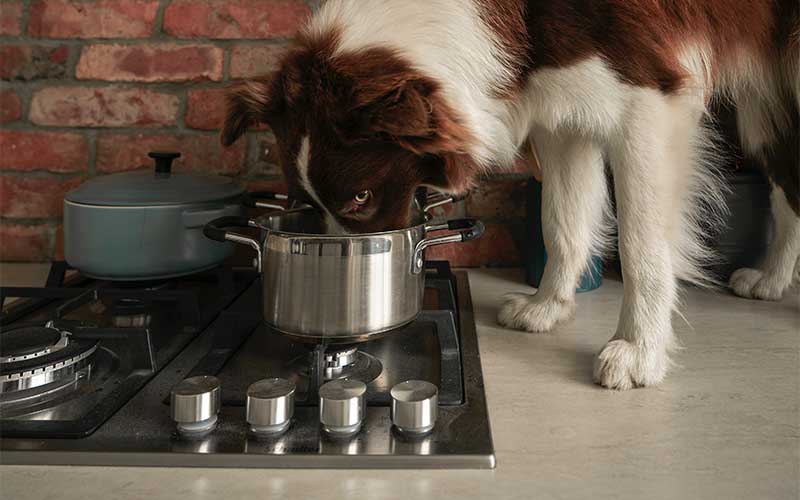
As we move into 2024, the pet food industry continues to see a massive surge in the ‘humanization’ of pet food. Recent market data suggests that the fresh and home-cooked pet food segment is growing at an annual rate of over 15%, as owners become increasingly wary of the additives and heavy processing found in commercial products. By taking control of the stovetop, you gain transparency that the big-brand labels often lack. This transition allows you to move beyond decoding dog food labels and instead focus on whole, recognizable ingredients that you personally source from local butchers or organic markets.
The Primary Benefits of Home-Cooked Canine Diets
The motivations for cooking at home are as varied as the breeds themselves. For many, the primary driver is quality control. When you prepare meals personally, the risk of contamination from industrial recalls is virtually eliminated. You can select grass-fed meats, pesticide-free vegetables, and ancient grains that meet your own standards for human consumption. For dogs with specific medical conditions, this customization is often a lifesaver. For example, dogs suffering from chronic pancreatitis or inflammatory bowel disease (IBD) often find relief in low-fat, highly digestible home-cooked meals that lack the emulsifiers found in canned food.
Furthermore, palatability is a major factor. Senior dogs or those undergoing chemotherapy often lose their appetite; the aroma of fresh-cooked chicken or beef can stimulate their desire to eat in ways that cold kibble cannot. Additionally, switching to fresh food is one of the most effective ways to improve your dog’s digestive health. Many owners report smaller, firmer stools and a reduction in flatulence within just two weeks of making the switch, signifying that the body is absorbing nutrients more efficiently.
The Nutritional Pillars: Getting the Balance Right
The greatest risk in home-cooking is nutritional deficiency. A study conducted by the University of California, Davis, analyzed over 200 recipes for homemade dog food found online and in books. The results were startling: 95% of the recipes were deficient in at least one essential nutrient, and 84% were deficient in multiple. To avoid these pitfalls, a balanced meal must include more than just muscle meat. A healthy canine diet should consist of:
- High-Quality Protein: Beef, turkey, chicken, fish, or lamb should form the foundation, but variety is key to providing a full amino acid profile.
- Healthy Fats: Omega-3 and Omega-6 fatty acids are crucial for skin health and cognitive function. These can be sourced from fish oil, flaxseed, or sunflower oil.
- Complex Carbohydrates: While dogs don’t strictly ‘need’ carbs, ingredients like sweet potatoes, brown rice, or quinoa provide necessary fiber and energy.
- Vitamins and Minerals: This is where most home-cooks fail. Calcium, phosphorus, and zinc are often underrepresented in home recipes.
Addressing the Calcium-Phosphorus Ratio
One of the most critical aspects of canine nutrition is the calcium-to-phosphorus ratio. Meat is naturally high in phosphorus but very low in calcium. If a dog consumes only meat, the body will pull calcium from its own bones to balance the blood levels, leading to skeletal deformities and fractures, particularly in growing puppies. This is why supplements or ground eggshells are often mandatory in a long-term home-cooked plan.
Managing Calories and Weight
With canine obesity reaching epidemic proportions—currently estimated to affect over 50% of the dog population in the United States—portion control is paramount. Unlike commercial kibble, which has a standardized calorie count per cup, home-cooked food varies wildly depending on the fat content of the meat and the moisture levels. It is highly recommended to use a kitchen scale to weigh portions rather than using volume-based measuring cups. Consulting a veterinarian to calculate your dog’s Resting Energy Requirement (RER) is the only way to ensure you aren’t inadvertently overfeeding. Overweight dogs are at a much higher risk for arthritis, diabetes, and heart disease, making caloric precision a cornerstone of pet longevity.
Safe Cooking Practices and Ingredient Selection
While many human foods are healthy for dogs, some are toxic. Never include onions, garlic, chives, grapes, raisins, or macadamia nuts in your recipes. Additionally, always cook meats thoroughly to avoid the risk of Salmonella or E. coli, especially if you have young children or immunocompromised individuals in your household. When selecting treats to supplement the diet, look for healthy dog snacks such as blueberries, carrots, or green beans rather than high-calorie processed biscuits.
The Role of Supplements
Even the most meticulously prepared meal might require a boost. Many veterinarians recommend a high-quality multivitamin powder specifically formulated for home-cooked diets. Supplements like glucosamine for joint health, probiotics for gut flora, and taurine for heart health are also common additions. Brands like Balance It provide tools that help owners create recipes based on specific ingredients while identifying exactly which supplement powder is needed to fill the nutritional gaps.
Expert Review: The Veterinary Verdict
Dr. Fiona Lee and other leading veterinary nutritionists emphasize that while the benefits of fresh food are clear, the execution must be flawless. ‘The intention is wonderful, but the biology is unforgiving,’ experts note. If you choose to cook at home, it is not a ‘set it and forget it’ situation. Your dog should have semi-annual blood work to ensure that their organ function remains optimal and that there are no underlying deficiencies manifesting. A professional consultation with a member of the American College of Veterinary Internal Medicine (ACVIM) can provide a customized ‘recipe for success’ tailored to your dog’s breed, age, and activity level.
Frequently Asked Questions (FAQ)
Is it cheaper to cook for my dog than to buy kibble?
Generally, no. While you can save money by buying in bulk, the cost of high-quality protein and necessary supplements usually exceeds the price of mid-range commercial kibble. However, it is often cheaper than high-end ‘fresh-delivered’ subscription services.
Can I feed my dog the same thing every day?
While humans crave variety, dogs thrive on consistency. Once you find a balanced, vet-approved recipe that works, you can stick with it. However, rotating proteins (e.g., turkey one month, beef the next) can help prevent the development of food allergies.
Should I feed the food raw or cooked?
This guide focuses on home-cooked meals. Cooking kills pathogens and can make certain starches and vegetables easier to digest. While some advocate for raw diets, the risk of bacterial contamination is significantly higher, and many vets recommend cooking for safety.
How long does home-cooked dog food last?
Freshly cooked dog food can be stored in the refrigerator for up to 3 to 5 days. For longer storage, it can be frozen in individual portions for up to 3 months. Always ensure the food is cooled to room temperature before serving.
Conclusion
Transitioning to a home-cooked diet for your dog is a labor of love that requires dedication, research, and a partnership with your veterinarian. By focusing on whole ingredients and rigorous nutritional balancing, you can provide a level of vitality that processed foods struggle to match. Remember to start slowly, monitor your pet’s weight and energy levels, and always prioritize balance over convenience. Your dog’s health is an investment, and the kitchen is a perfect place to start paying dividends.


