There is a specific, heart-tugging moment every pet owner knows: you pull your suitcase from the back of the closet, and before you can even pack a single pair of socks, your cat or dog is already curled up inside it. It’s a silent, soulful plea that says, “Don’t leave me behind.” As the winter chill sets in and holiday plans begin to crystallize, many of us face a difficult emotional tug-of-war. We want our furry companions to share in the joy of family gatherings, the excitement of new scents, and the warmth of the holiday hearth. However, as someone who has spent years navigating the world of exotic and domestic pet care, I’ve learned that our desire to have them with us doesn’t always align with what is best for their well-being.
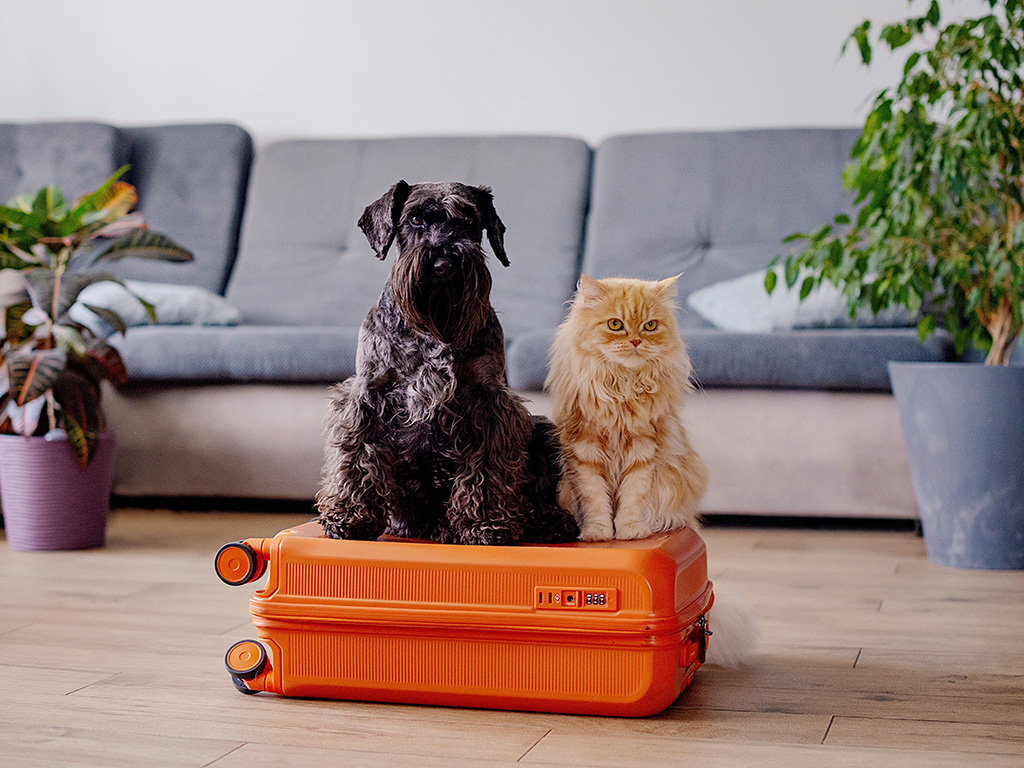
Deciding whether your pet should accompany you on a holiday trip is not a decision to be made lightly or at the last minute. It requires a deep dive into your pet’s unique personality, a realistic assessment of the destination, and a thorough understanding of the logistical hurdles involved. In collaboration with insights from experts like Dr. Christine Rutter, a clinical associate professor at the Texas A&M College of Veterinary Medicine and Biomedical Sciences, we are going to explore the nuances of holiday travel. Our goal is to ensure that whether your pet stays or goes, they remain safe, happy, and stress-free.
Understanding Your Pet’s “Travel Personality”
Before you book that extra seat or clear space in the SUV, you must ask yourself: Who is my pet when they are away from home? Just like humans, every animal has a distinct temperament. Some pets view a car ride as the ultimate adventure—a sensory buffet of new smells and sights. Others view the sight of a pet carrier as a precursor to a traumatic event. It is vital to recognizing signs your dog is experiencing anxiety or stress before you are three states away with a vocal, unhappy passenger.
Dr. Rutter points out that some pets are extremely anxious in new environments. These animals may refuse to eat, fail to eliminate on a leash, or spend the entire vacation barking at every unfamiliar noise. This level of cortisol-driven stress can take a physical toll on an animal. Conversely, “chill” travelers often reach that state because their owners have invested time in “practice trips.” If your pet has only ever been in the car to go to the vet, they will naturally associate travel with discomfort. If you plan to travel, start with short, positive trips to a local park or a friend’s house to build their confidence.
The Hidden Stress of Holiday Environments
Holiday environments are inherently chaotic. There are shimmering decorations, loud family dinners, and often, other pets in the household. Even if your pet is a seasoned traveler, the destination itself might be a minefield. Pets are highly intuitive; they pick up on our holiday stress. If you are rushing to get dinner ready or feeling the tension of family dynamics, your pet will likely mirror that anxiety.
Furthermore, you must consider the safety of the host’s home. Not everyone is “pet-literate.” Relatives who don’t own animals might leave chocolate coins under the tree, or use toxic holiday plants like lilies or mistletoe as decor. Dr. Rutter warns that guest pets often find themselves in emergency rooms because they accessed “stealing range” food items or gifts that weren’t properly secured. If you cannot guarantee a keep your pet safe during vacation environment at your destination, it may be kinder to leave them in a controlled, familiar space.
Navigating the Legal and Health Requirements
If you decide that your pet is a good candidate for travel, the next hurdle is the paperwork. This is where many owners get caught off guard. Traveling across state or international lines isn’t as simple as loading the car. Most domestic travel across state lines technically requires a veterinarian-issued health certificate. While enforcement by law enforcement can be infrequent, airlines are very strict. If you are flying, you will need to ensure you are choosing a comfortable travel carrier that meets TSA and airline-specific dimensions while also carrying the necessary health documentation.
International travel is exponentially more complex. Dr. Rutter emphasizes that some countries require a six-month lead time for preparations. This can include sequential blood testing for infectious diseases, specific vaccinations, and even mandatory quarantine periods. Some countries may even ban specific breeds or species. Furthermore, the Centers for Disease Control and Prevention (CDC) has strict mandates regarding rabies prevention for dogs re-entering the United States. Skipping a single step in this process could result in your pet being denied entry or being held in a government facility, which is a nightmare scenario for any owner.
International vs. Domestic: What You Need to Know
- Domestic Travel: Always carry a copy of your pet’s vaccination records and a recent health certificate (usually issued within 10 days of travel). Research the nearest emergency vet at your destination before you leave.
- International Travel: Start at least six months out. Consult with a USDA-accredited veterinarian. Check the requirements of both the destination country and the requirements for coming back home.
- Airlines: Every airline has different rules regarding pets in the cabin versus the cargo hold. Understand the temperature restrictions; many airlines will not fly pets if it is too hot or too cold.
When the Best Gift is Staying Put: Boarding and Sitting
Sometimes, the greatest act of love is leaving your pet at home. For many owners, including Dr. Rutter herself, the cost and logistical difficulty of international travel make it unappealing. In these cases, you have two primary options: boarding or pet sitting.
In-Home Pet Sitting: This is often the gold standard for high-stress animals or exotic pets. Staying in a familiar environment with their own bed and routine minimizes the “uprooting” effect. A trusted sitter can provide one-on-one attention and ensure that the only thing that changes is the person providing the meals and ear scratches.
Boarding Kennels: A reputable boarding facility can be a great “summer camp” for social dogs. However, it’s crucial to visit the facility beforehand. Is it clean? Is the staff knowledgeable? Do they have a plan for medical emergencies? A good kennel will require proof of vaccinations to keep all residents safe, which is a sign of a high-quality establishment.
People Also Ask: Common Holiday Pet Travel Questions
Can I give my pet a sedative for travel?
While some over-the-counter or prescription sedatives can help anxious pets, they should never be administered without a veterinarian’s supervision. Some medications can interfere with an animal’s ability to regulate their body temperature or cause respiratory issues, especially in high-altitude flights.
Is it safe for my pet to stay in a hotel?
Many hotels are now pet-friendly, but “pet-friendly” doesn’t always mean “pet-safe.” Check for loose wires, small gaps under furniture where a cat might hide, and ensure the cleaning products used are non-toxic. Never leave your pet unattended in a hotel room unless they are securely crated and the staff is aware they are there.
What should I pack in a pet travel kit?
Your kit should include: their regular food (switching diets on the road causes GI upset), bottled water, collapsible bowls, a familiar-smelling blanket, all medications, a first-aid kit, and physical copies of their medical records.
Expert Verdict: Prioritizing Comfort Over Sentiment
As much as we want our pets to be part of our holiday memories, the expert consensus is clear: Your pet’s physical and emotional safety must come first. If your dog is a social butterfly who loves the car and your family’s home is a safe haven, then by all means, bring them along! The joy of a tail-wagging greeting at the family dinner is unmatched.
However, if your pet is elderly, has medical issues, or suffers from severe separation anxiety or travel phobia, the kindest choice is often to leave them in the care of a professional. Holiday travel is stressful enough for humans; we shouldn’t force our pets to endure it if it doesn’t serve their best interests. Always consult with your veterinarian before making a final decision, as they can provide a professional assessment based on your pet’s specific health history.
Final Thoughts and Actionable Summary
The decision to travel with a pet is a blend of logistics and heart. To summarize your holiday checklist:
- Assess: Be honest about your pet’s temperament.
- Research: Check state and international laws months in advance.
- Vet Visit: Get a health certificate and discuss anxiety management.
- Safety First: Ensure the destination is free of holiday toxins like chocolate and lilies.
- Plan B: Have a trusted sitter or boarding facility on standby if travel plans fall through.
By taking these steps, you ensure that the holiday season remains a time of peace and joy for every member of your family—regardless of how many legs they have.


