When your once-vibrant companion starts lingering at the water bowl and asking for midnight bathroom breaks, it’s easy to dismiss it as a sign of aging. However, these subtle shifts often signal that the kidneys—the body’s sophisticated filtration system—are struggling. Kidney disease in dogs, also known as renal failure, affects approximately 7% of the canine population, with the prevalence skyrocketing as dogs enter their senior years. While it is a daunting diagnosis, modern veterinary medicine has made incredible strides in managing the condition, turning what was once an immediate death sentence into a manageable chronic illness. By understanding the early warning signs, from the distinct metallic scent of “uremic breath” to the nuances of thirst, pet owners can take proactive steps to extend their dog’s life and ensure their golden years remain comfortable and joyful.
The Biological Powerhouse: Why Kidneys Matter
To understand kidney failure, we must first appreciate the heavy lifting these bean-shaped organs perform daily. The kidneys are responsible for much more than just producing urine; they are the ultimate regulatory hubs. They filter metabolic waste and toxins from the bloodstream, balance essential electrolytes like sodium and potassium, manage blood pressure, and even stimulate the production of red blood cells. When the kidneys begin to fail, these toxins—primarily blood urea nitrogen (BUN) and creatinine—build up in the body, leading to a state of internal poisoning known as uremia.
There are two primary classifications of renal failure: Acute Kidney Injury (AKI) and Chronic Kidney Disease (CKD). AKI is a sudden, often reversible loss of function caused by toxins or infection. In contrast, CKD is a slow, progressive decline that usually occurs over months or years. Understanding which type your dog is facing is the first step in determining a treatment plan. For those looking for broader insights into canine health, learning how to extend your pet’s lifespan the right way can provide a foundational approach to preventative care.
Recognizing the Symptoms: More Than Just Thirst
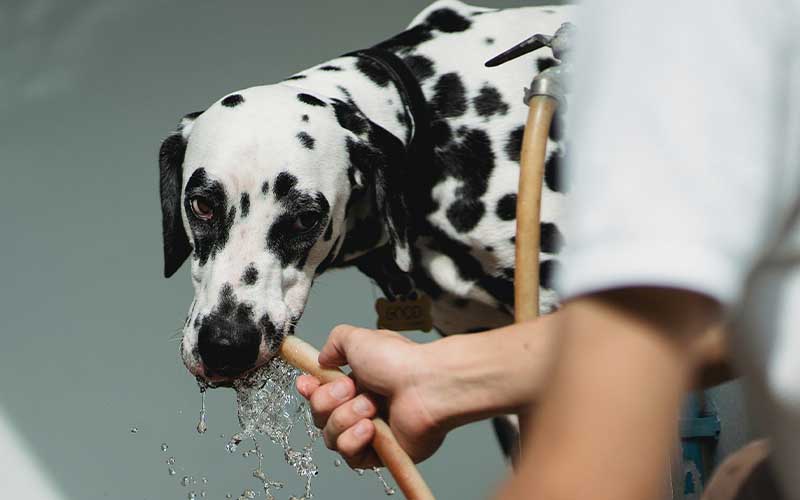
One of the most frustrating aspects of canine kidney disease is that symptoms often don’t appear until 66% to 75% of functional kidney tissue has already been damaged. This is why routine blood work is vital for senior dogs. The most common early indicator is Polyuria/Polydipsia (PU/PD)—a fancy way of saying your dog is peeing and drinking excessively. Because the kidneys can no longer concentrate urine, the dog must drink more to flush out the rising toxin levels.
Other clinical signs include:
- Uremic Breath: A distinct, often chemical or ammonia-like smell on the breath.
- Lethargy and Depression: As toxins build up, dogs often feel “cloudy” or persistently tired.
- Weight Loss and Muscle Wasting: The body begins to struggle with protein metabolism.
- Gastrointestinal Issues: Vomiting, diarrhea, or a complete loss of appetite are common as the stomach lining becomes irritated by metabolic waste.
If you notice these signs alongside other respiratory issues, it is important to distinguish them from conditions like pneumonia in dogs, which may also cause lethargy but presents with distinct coughing and fever.
Causes and Risk Factors
While any dog can develop kidney issues, certain breeds are genetically predisposed to renal dysplasia or early-onset failure. This includes Yorkshire Terriers, Boxers, Bull Terriers, and English Cocker Spaniels. Age is the most significant factor, with many large breeds showing signs by age 7 and smaller breeds by age 10 to 14. Beyond genetics and aging, environmental factors play a massive role. Ingestion of antifreeze (ethylene glycol), even in tiny amounts, is a common cause of fatal acute failure. Similarly, common household foods like grapes and raisins are highly nephrotoxic to dogs.
Infections such as Leptospirosis—a bacteria often found in the urine of wildlife—can also cause sudden kidney shut-down. Interestingly, the health of other organs can impact the kidneys; for instance, the relationship between the heart and kidneys is so close that heart disease in dogs can often lead to secondary renal issues due to poor blood perfusion.
Diagnosis and Staging: The IRIS Guidelines
Veterinarians use a combination of blood chemistry and urinalysis to diagnose the condition. The International Renal Interest Society (IRIS) has established a staging system (Stages 1 through 4) based on creatinine levels and the presence of protein in the urine. Stage 1 represents the earliest detectable changes, while Stage 4 indicates end-stage failure. Advanced diagnostics might include an SDMA test, which can detect kidney decline much earlier than traditional creatinine tests, sometimes when only 25% of function is lost.
The Pillars of Treatment: Diet and Hydration
While chronic kidney failure is irreversible, it is highly manageable. The “mainstay” of treatment is a prescription renal diet. These specialized foods are formulated with high-quality but restricted amounts of protein to reduce the nitrogenous waste the kidneys must process. They are also low in phosphorus, as diseased kidneys struggle to excrete this mineral, leading to further organ damage. Clinical studies have shown that dogs on a strict renal diet can live three times longer than those on standard maintenance food.
Hydration is the other critical pillar. Many owners of CKD dogs learn to administer subcutaneous fluids at home. This involves using a needle to tuck a pocket of saline or lactated Ringer’s solution under the dog’s skin, which the body absorbs over several hours. This “internal flush” helps manage dehydration and makes the dog feel significantly better almost instantly.
Expert Verdict: Living with a CKD Diagnosis
The expert consensus among veterinary nephrologists is that a kidney failure diagnosis is not an end, but a transition. The goal shifts from “cure” to “quality of life.” By combining a therapeutic diet, blood pressure management, and phosphorus binders, many dogs continue to enjoy walks, treats, and family time for years. Data from 2023-2024 suggests that early detection through biannual senior wellness exams is the single most effective way to improve long-term outcomes.
Frequently Asked Questions
Can a dog recover from kidney failure?
It depends on the type. Dogs can often recover from Acute Kidney Injury if the underlying cause (like an infection or toxin) is treated quickly. However, Chronic Kidney Disease is a progressive, permanent loss of function that cannot be reversed, only managed.
How long can a dog live with Stage 3 kidney disease?
With aggressive management, many dogs in Stage 3 can live for several months to a year or more. The median survival time varies, but a proactive approach involving diet and fluid therapy significantly improves the prognosis.
What should I not feed a dog with kidney disease?
Avoid high-protein treats like jerky, high-sodium table scraps, and foods high in phosphorus like cheese or bones. Always stick to the vet-prescribed renal diet for the best results.
Is kidney failure painful for dogs?
Kidney failure itself isn’t “painful” in the way a broken bone is, but the buildup of toxins causes significant nausea, headaches, and a general feeling of malaise, which is why appetite stimulants and anti-nausea medications are often prescribed.
Conclusion
Navigating kidney failure in dogs requires a blend of vigilance, medical intervention, and a lot of love. While the diagnosis is heavy, remember that you are the most important part of your dog’s care team. By monitoring their hydration, sticking strictly to their therapeutic diet, and maintaining regular vet check-ups, you provide them with the best chance at a long, comfortable life. The bond you share is resilient, and with the right tools, kidney disease doesn’t have to define your dog’s final chapters. Stay observant, act early, and cherish every tail wag.


