Adding greenery and fresh blooms to your living space does more than just enhance your home’s aesthetic appeal; it can significantly uplift your mood, freshen the air by removing toxins, and create a cozy, inviting environment that promotes overall well-being. However, for the millions of households that share their lives with a curious cat or a mischievous pup, choosing the right plants is far more than a simple design decision—it is a critical safety matter. As of 2024, indoor gardening continues to trend upward, but so do the calls to animal poison control centers. According to recent data from the ASPCA Animal Poison Control Center, plant ingestions remain one of the top reasons for emergency veterinary consultations. Thankfully, with a bit of expert care, strategic planning, and the convenience of professional floral delivery services, it is entirely possible to enjoy stunning botanical displays without ever putting your furry family members at risk. Creating a biophilic home is about balance: harmonizing the beauty of nature with the uncompromising safety of your pets.
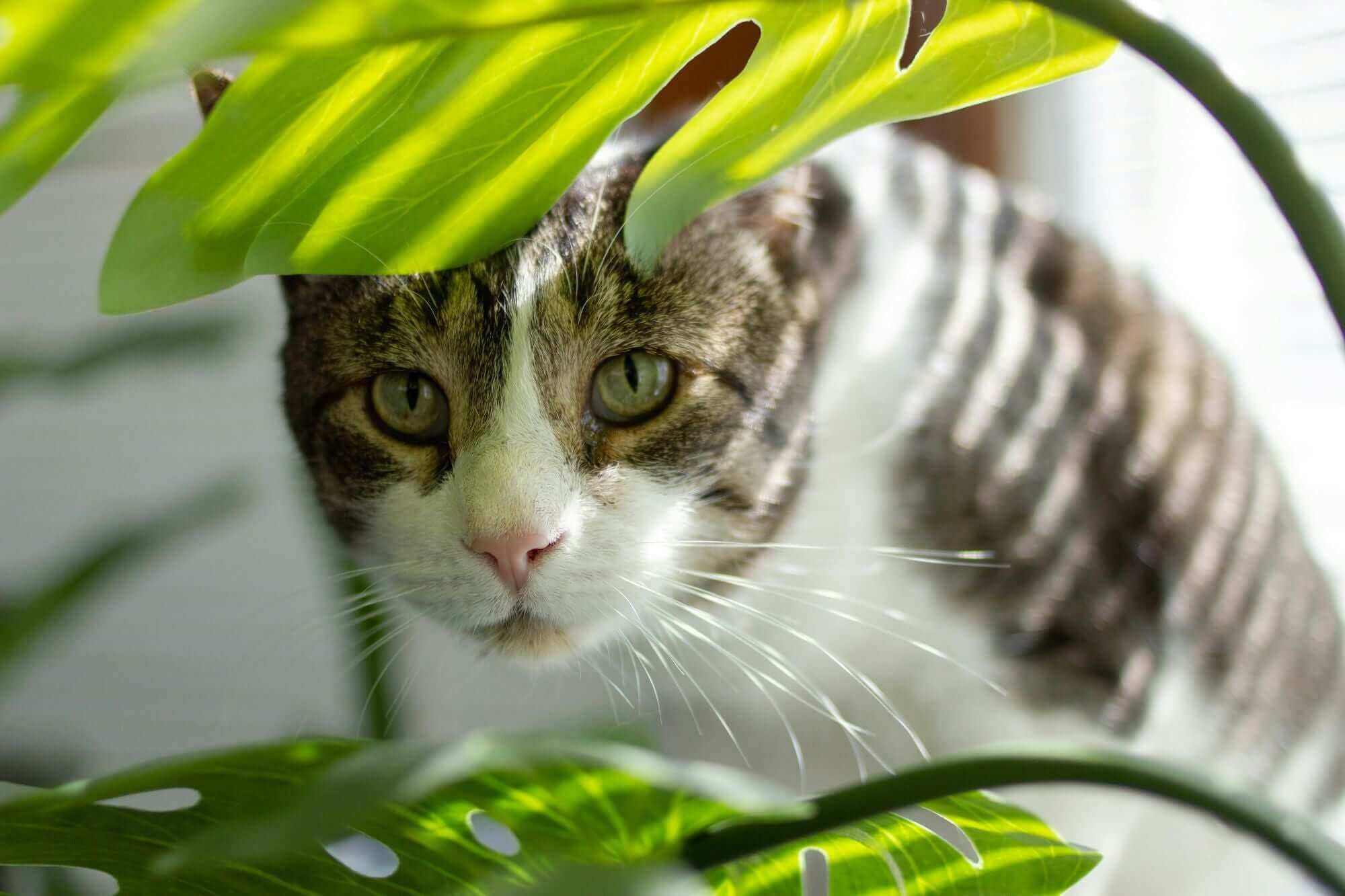
For many pet owners, the realization that common household plants can be lethal comes as a shock. While we appreciate the elegance of a bouquet or the architectural interest of a floor plant, our pets often see them as toys or snacks. The stakes are particularly high because certain species contain chemical compounds that, while harmless to humans, can cause systemic failure in animals. To build a truly pet-friendly home, one must move beyond aesthetics and understand the biological impact of indoor flora. By being proactive and choosing non-toxic varieties, you ensure that your home remains a sanctuary for every living being under its roof.
The Hidden Dangers: Why Plant Safety Is Non-Negotiable
Before diving into the safe alternatives, it is vital to understand the risks associated with common decorative plants. Many popular choices contain alkaloids, glycosides, or calcium oxalate crystals that can cause everything from mild oral irritation to catastrophic organ failure. Statistics from 2023 indicate that Lilies (Lilium and Hemerocallis species) are responsible for a significant percentage of feline fatalities. For a cat, ingesting even a tiny amount of lily pollen or drinking the water from a vase containing lilies can lead to acute kidney failure within hours.
Other common offenders include Sago Palms, which contain cycasin and are highly toxic to dogs, and Tulips or Daffodils, where the bulbs contain concentrated toxins that cause intense gastrointestinal distress and cardiac arrhythmias. Even the holiday-favorite Poinsettia, while often overrated in its toxicity, can still cause significant irritation and vomiting. Understanding these risks is the first step in responsible pet-parenting and home curation.
Top Pet-Safe Flowers for a Vibrant Home
You do not have to sacrifice the joy of fresh-cut flowers to keep your pets safe. There are numerous stunning, vibrant blossoms that are completely non-toxic to both dogs and cats. Here are some of the best choices for your next floral arrangement:
- Sunflowers (Helianthus): These iconic, cheerful blooms are entirely safe for pets. They add a bold pop of color and height to any room without the worry of toxicity.
- Orchids (Phalaenopsis): Known for their elegance and longevity, most common orchids are pet-safe. They are perfect for adding a sophisticated touch to a coffee table or desk.
- Roses (Rosa): As long as the thorns are removed to prevent physical injury, roses are a safe and classic choice for any pet-friendly household.
- Snapdragons (Antirrhinum): These unique, architectural flowers are safe and come in a wide variety of colors, making them excellent for textured bouquets.
- Gerbera Daisies: Bright and friendly, these daisies are non-toxic and provide an instant mood boost to any interior space.
Leafy Greens: Safe Houseplants for Every Room
If you prefer the permanent presence of foliage, several popular houseplants offer lush textures and air-purifying qualities without posing a threat to your pets. Incorporating these into your decor can improve indoor air quality, which benefits both humans and animals.
The Spider Plant (Chlorophytum comosum)
The Spider Plant is a favorite among pet owners for good reason. Not only is it incredibly resilient and easy to propagate, but it is also completely non-toxic. Cats, in particular, are often attracted to its long, dangling leaves, which provide a safe (though perhaps annoying for the plant) source of entertainment.
Boston Ferns (Nephrolepis exalta)
Unlike the toxic Sago Palm, Boston Ferns are safe and provide a classic, shaggy aesthetic. They thrive in humid environments like bathrooms and are excellent for hanging baskets, keeping them naturally out of reach of curious paws.
Calathea (Prayer Plants)
For those who love intricate patterns and vibrant colors, the Calathea family is a goldmine. These plants are famous for their leaf movements and are 100% pet-safe, making them a perfect statement piece for a living room or bedroom.
Strategic Placement and Deterrence: Expert Tips
Even when a plant is non-toxic, excessive ingestion can still lead to mild digestive upset or vomiting. Furthermore, you likely want to protect your plants from being shredded. Expert interior designers and veterinarians suggest the following strategies for a harmonious home:
- Vertical Gardening: Use wall-mounted planters or high shelving to keep greenery out of the physical reach of your pets.
- Hanging Baskets: Utilizing ceiling hooks for ferns or trailing plants like Hoya (also pet-safe) keeps the floor clear and the plants protected.
- Bitter Sprays: Applying a pet-safe, bitter-tasting spray to the leaves of your plants can discourage nibbling without harming the plant or the animal.
- Redirection: Provide your pets with their own greenery. Growing a small tray of cat grass (usually wheatgrass or oat grass) or catnip can satisfy their natural urge to chew on fiber.
Case Study: The 2023 Indoor Jungle Success
Consider the case of a local resident in Seattle who transformed her apartment into an “indoor jungle” while living with two active Ragdoll cats. Initially, she struggled with her cats chewing on her Monstera deliciosa (which is toxic). After a scare that resulted in a midnight vet visit, she transitioned her entire collection to Hoya, Boston Ferns, and Parlor Palms. By 2024, she reported that her cats were healthier, and her stress levels plummeted. This real-world example highlights that aesthetic desires do not have to be sacrificed for safety; they simply require a shift in plant selection.
Expert Verdict: A Greener Future for Pet Owners
The consensus among veterinary professionals and botanical experts is clear: prevention is the best medicine. While medical treatments for plant poisoning have improved, the emotional and financial cost of an emergency can be devastating. By sticking to the ASPCA non-toxic list and purchasing from reputable florists who understand pet safety, you can create a thriving, beautiful home. The trend of “pet-centric” interior design is here to stay, and it starts with the plants we bring through our doors.
Frequently Asked Questions (FAQ)
Are succulents safe for pets?
It depends on the variety. While Haworthia and Echeveria are generally safe, others like Jade plants and Kalanchoe are toxic. Always verify the specific species before purchasing.
What should I do if my pet eats a toxic plant?
Contact your veterinarian or a pet poison control hotline immediately. Do not wait for symptoms to appear. If possible, take a photo of the plant or bring a sample with you to the clinic.
Is Lavender safe for dogs and cats?
Lavender contains small amounts of linalool, which can be toxic in large quantities. While a quick sniff is usually fine, ingestion can cause nausea and vomiting. It is best kept in areas where pets cannot graze on it.
Can pet-safe plants still cause diarrhea?
Yes. Any sudden change in diet or the ingestion of large amounts of plant fiber can cause mild gastrointestinal distress. It is always best to discourage your pets from eating any houseplants.
Are African Violets safe?
Yes! African Violets are a wonderful, pet-safe option for those who want colorful flowers that bloom year-round indoors.
Conclusion
Creating a pet-safe, plant-filled home is an achievable and rewarding endeavor. By intentionally selecting non-toxic flowers like sunflowers and roses, and hardy houseplants like spider plants and ferns, you can enjoy the therapeutic benefits of nature indoors. Remember that thoughtful placement and providing safe alternatives like cat grass are the final pieces of the puzzle. With these expert strategies, you can ensure your home remains a healthy, happy, and beautiful haven for both you and your beloved pets.


