If you have ever attempted to parse through complex organic chemistry notes while a fluffy tail rhythmically brushes against your cheek, you are already well-aware that studying with a cat is a multifaceted experience. It is a delicate dance between serene companionship and absolute, unmitigated chaos. One moment, your feline friend provides the grounding presence you need to finish a difficult chapter; the next, they have decided that your laptop keyboard is the ultimate heated bed, effectively locking you out of your final exam portal. In the modern era of hybrid learning and remote education, the feline ‘study buddy’ has moved from a quirky household anecdote to a legitimate component of the student lifestyle. As we navigate the pressures of higher education in 2024, the role of pets in managing academic burnout has never been more relevant. This guide explores the psychological, physiological, and practical implications of sharing your workspace with a cat, offering a deep dive into how these enigmatic creatures influence our productivity.
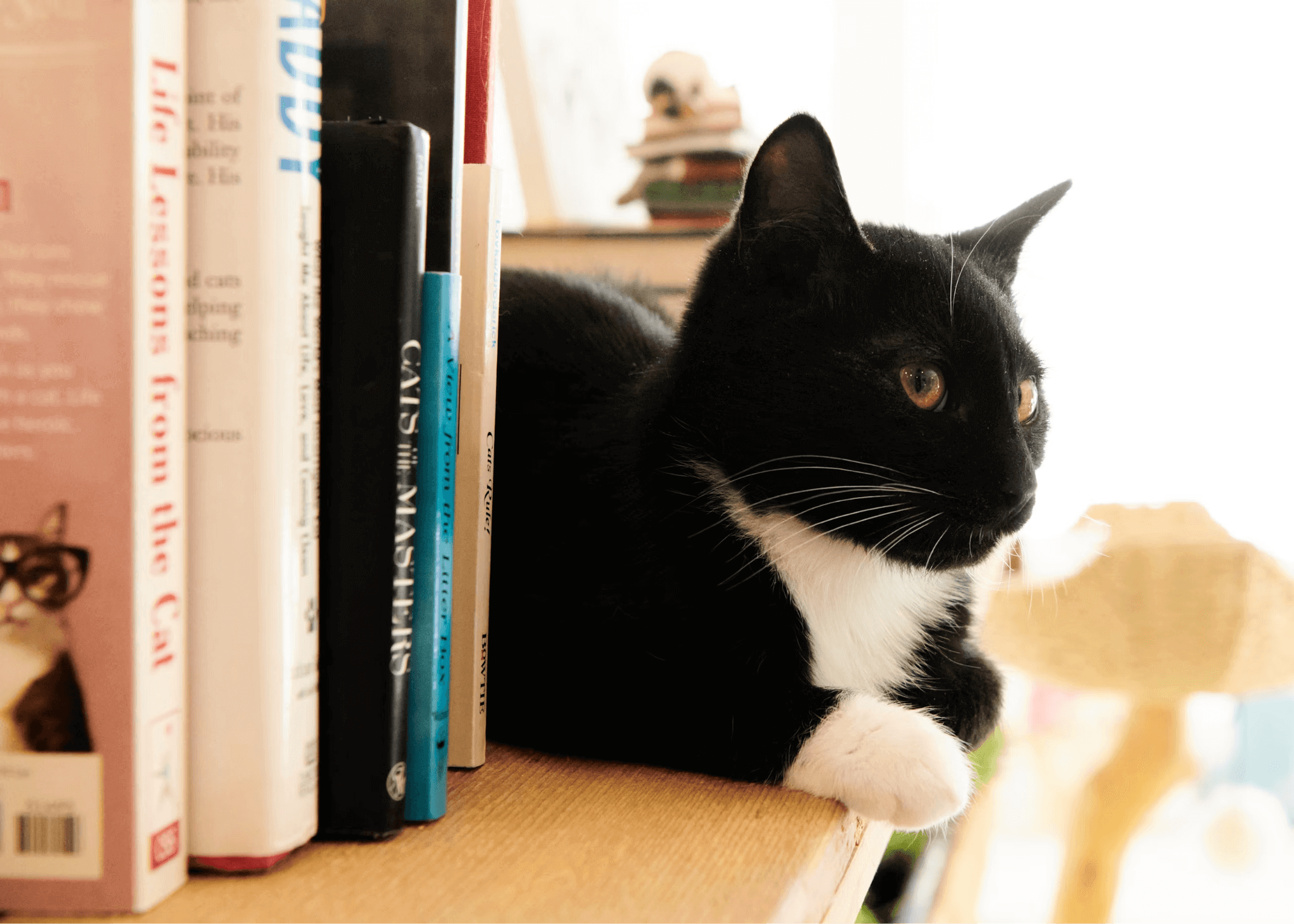
The Science of Feline Companionship: More Than Just a Cute Face
The rise of the cat as a preferred study companion is not merely a trend driven by social media aesthetics; it is rooted in the physiological benefits of human-animal interaction. Recent studies in 2023 and 2024 have increasingly highlighted how low-frequency vibrations, such as a cat’s purr, can actively lower human blood pressure and reduce levels of cortisol, the body’s primary stress hormone. When a student is ‘cramming’ for a final, their nervous system is often in a state of high alert. The steady, rhythmic sound of a purring cat acts as a biological pacemaker, helping the student regulate their own breathing and maintain a calmer state of mind. This phenomenon is often referred to as co-regulation, where the calm state of the pet helps to settle the frantic state of the human.
Beyond the purr, the concept of ‘body doubling’—a productivity strategy often used by individuals with ADHD—is naturally fulfilled by a cat. Body doubling involves having another person (or in this case, a pet) in the room while you work to help you stay on task. A cat’s presence provides a non-judgmental witness to your labor. They don’t care if you haven’t showered or if your thesis statement is weak; their silent presence offers a sense of accountability and comfort that can make the solitary act of studying feel significantly less lonely. Statistics from student wellness surveys in 2024 indicate that nearly 65% of students living with pets reported a ‘significant decrease’ in feelings of isolation during peak midterms.
The Pro-Feline Argument: Why Your GPA Might Love Your Cat
There are several distinct advantages to integrating a cat into your study routine. First and foremost is the reduction of performance anxiety. When you are alone with your thoughts and a looming deadline, it is easy to spiral into negative self-talk. However, interacting with a cat forces a momentary shift in focus. This ‘micro-break’ allows the brain to reset. According to the American Journal of Productivity, brief mental breaks can actually improve focus over long periods, and what better way to take a break than by scratching a cat behind the ears?
Cats are also creatures of habit. While humans might struggle to maintain a consistent schedule, a cat lives by a strict internal clock. If your cat expects a snack or a play session at a specific time, it forces you to step away from the screen. This accidental Pomodoro-style structure ensures that you aren’t sitting in the same position for six hours straight, which is crucial for preventing physical strain and mental fatigue. Furthermore, for students who struggle with ‘blank page syndrome,’ explaining a difficult concept out loud to a cat (often called the ‘rubber ducking’ method in programming) can help clarify thoughts and improve retention of the material.
When Cats Become ‘Chaos Agents’: The Downside of Feline Coworkers
Of course, any student who has had their ‘Esc’ key removed by a curious paw knows that it isn’t all sunshine and purrs. Cats are naturally crepuscular and opportunistic, meaning their energy spikes often coincide with the exact moment you need to be most productive. The ‘chaos factor’ is a real threat to academic success. From knocking over a lukewarm cup of coffee onto a borrowed textbook to the dreaded ‘keyboard walk’ that sends a half-finished email to a professor, the potential for disaster is high.
One real-world case study from 2024 involved a law student whose cat accidentally deleted a critical bibliography file by sitting on the ‘Delete’ key while the student was in the kitchen. These stories serve as a reminder that while cats are great emotional supports, they have zero respect for the sanctity of a deadline. They view your laptop not as a tool for your future career, but as a warm rectangular sun-trap designed specifically for their comfort. The challenge for the modern student is to mitigate these risks without losing the emotional benefits of the animal’s company.
Expert Strategies for a Productive Multi-Species Workspace
To balance the benefits and the distractions, experts suggest a few ‘cat-proofing’ techniques for your study area. The Decoy Workspace: One of the most effective strategies is the use of a ‘decoy’ laptop or a heated pad. Because cats are attracted to the warmth of your computer, providing a dedicated heated spot nearby can lure them away from your actual keyboard. Vertical Territory: If your cat is constantly jumping on your desk, it’s usually because they want to be at eye level with you. Installing a cat tree or a shelf next to your desk allows them to supervise your work from a safe distance. Boundaries and Enrichment: Engaging in a vigorous 10-minute play session with a laser pointer or feather wand before you sit down to work can drain their excess energy, leading to a long, peaceful nap while you write your essay.
Verdict: Are They Worth the Distraction?
In the final analysis, the consensus among both students and mental health professionals is that the benefits of studying with a cat far outweigh the occasional deleted sentence. The emotional stability provided by a pet is a powerful buffer against the high-stress environment of academia. While you may have to deal with a few zoom-bombs or fur-covered notes, the trade-off is a lower heart rate and a more positive outlook on your work. The key is management—setting up your environment so that both you and your cat can exist in a state of ‘productive peace.’
Frequently Asked Questions (FAQ)
1. Can my cat really help me get better grades?
While a cat won’t do your homework, their ability to reduce stress and anxiety can lead to better cognitive function. A calmer brain is more efficient at retaining information and solving problems, which can indirectly lead to better academic performance.
2. How do I stop my cat from walking on my keyboard?
Try the ‘decoy’ method by placing a small cardboard box or a dedicated ‘cat keyboard’ near your workspace. Cats love boxes and warmth, so a box with a small heating pad is often more attractive than your actual laptop.
3. Is it okay to let my cat sleep on my lap while I study?
Yes, as long as it doesn’t cause you physical discomfort or prevent you from typing. The warmth and weight of a cat can have a grounding effect, similar to a weighted blanket, which helps many students stay focused for longer periods.
4. My cat is too loud during my online classes. What should I do?
Ensure your cat is fed and has had some playtime before your class begins. If they are still vocal, consider using a high-quality noise-canceling microphone, which can filter out high-pitched meows, and always keep a ‘mute’ shortcut handy.
5. Are there specific breeds that make better study buddies?
While personality varies by individual cat, breeds like Ragdolls, Maine Coons, and Persians are often cited as being more laid-back and prone to ‘supervising’ quietly rather than causing chaos. However, any calm, well-adjusted cat can be a great companion.
Conclusion
Studying with a cat is a unique journey that requires patience, a sense of humor, and a lot of lint rollers. In a world that demands constant, high-speed productivity, the slow, rhythmic presence of a cat reminds us to breathe and take the occasional break. They are the ultimate companions for the modern student—offering a quiet, furry brand of support that no playlist or productivity app can replicate. Whether they are gently purring by your side or making a daring leap for your highlighter, they make the academic journey just a little bit more human.


