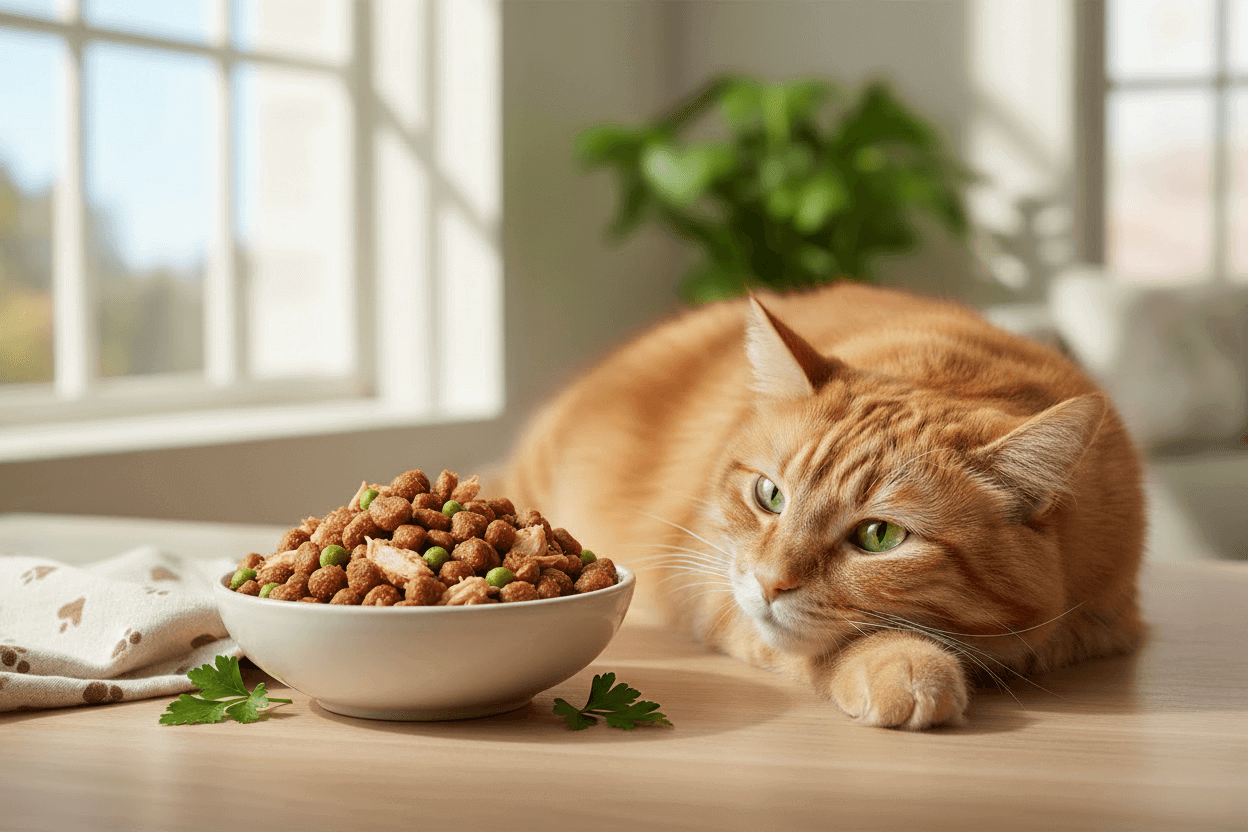
Every cat owner knows the frustration of the ‘feline standoff.’ You have spent hours researching the highest-quality, grain-free, nutrient-dense kibble, only for your cat to take one disinterested sniff and walk away. This behavioral trait, often labeled as being ‘finicky,’ is actually rooted deeply in feline biology and evolution. Cats are obligate carnivores with a sophisticated sensory system that prioritizes aroma over almost everything else. When a cat refuses to eat, it is not just a nuisance; it can lead to serious health issues like hepatic lipidosis. This is where a flavor enhancer for cat food steps in, transforming a mundane meal into an irresistible feast that ensures your pet receives the vital nutrients they need to thrive.
The Biological Basis: Why Cats Are Such Picky Eaters
To understand why a flavor enhancer for cat food is so effective, we must first look at the feline palate. While humans possess approximately 9,000 taste buds, cats have only about 470. However, what they lack in taste, they more than make up for in their olfactory (smell) capabilities. A cat’s nasal cavity contains roughly 200 million odor-sensitive cells, compared to a human’s 5 million. Because cats rely so heavily on smell to determine if a food is safe and fresh, the aroma of their meal is the primary driver of appetite.
In the wild, cats consume fresh prey that is warm and rich in blood and moisture. Processed pet food, particularly dry kibble, often lacks these intense aromatic profiles. As the pet food industry moves into 2024, brands are increasingly focusing on ‘palatants’—specialized coatings designed specifically to trigger the feline olfactory response. These enhancers bridge the gap between processed convenience and ancestral cravings.
Types of Flavor Enhancers: From Natural Extracts to Modern Palatants
Not all flavor enhancers are created equal. Depending on whether you are looking for a commercial additive or a DIY home solution, the options vary significantly in their composition and health benefits.
1. Animal Digests and Hydrolysates
Despite the somewhat unappealing name, animal digest is the gold standard for cat food palatability. It is produced through the chemical or enzymatic hydrolysis of clean animal tissue. This process breaks down proteins into smaller peptides and amino acids, creating a concentrated, savory flavor that cats find irresistible. Most high-end flavor enhancers for cat food use liver-based hydrolysates because of their high protein density and pungent aroma.
2. Fish-Based Extracts and Omega-3 Oils
It is no secret that cats have a biological affinity for fish. Salmon oil, tuna broth, and sardine extracts are widely used as liquid toppers. Beyond the taste, these enhancers provide essential fatty acids that improve coat health and reduce inflammation. In 2024, there has been a significant trend toward ‘single-source’ fish enhancers, catering to cats with specific protein allergies.
3. Brewer’s Yeast and Nutritional Yeast
Yeast is a powerhouse of Vitamin B and amino acids. It provides a ‘umami’ or savory flavor profile. Many powdered enhancers use brewer’s yeast as a base because it is highly shelf-stable and provides a slight nutritional boost alongside the flavor improvement.
4. Functional Toppers and Broths
A growing segment of the market includes bone broths specifically formulated for pets. These are free from onions, garlic, and excessive salt—ingredients common in human broths that are toxic to cats. These liquids not only enhance flavor but also provide critical hydration, which is essential for preventing kidney disease in felines.
Market Trends 2024: The Rise of Human-Grade Toppers
The global pet food market is currently valued at over $150 billion, and a significant portion of that growth is driven by the ‘humanization’ of pet food. Owners are no longer satisfied with mysterious ‘meat by-products.’ They want transparent sourcing. This has led to the rise of human-grade flavor enhancers for cat food, such as freeze-dried raw meat dust and organic green-lipped mussel powder. According to recent consumer data, over 65% of cat owners are willing to pay a premium for flavor enhancers that also offer functional health benefits, such as joint support or digestive enzymes.
Case Study: Overcoming Anorexia in Recovering Felines
In a clinical study involving cats recovering from surgery, researchers tested the efficacy of liver-based liquid flavor enhancers. Cats often lose their appetite due to the stress of hospitalization or the lingering effects of anesthesia. The study found that cats offered food treated with a hydrolyzed poultry liver enhancer began eating 30% sooner than those offered plain wet food. This highlights the role of flavor enhancers not just as a ‘treat,’ but as a vital tool in veterinary recovery and geriatric care.
Expert Review: Is a Flavor Enhancer Right for Your Cat?
As a nutritional strategist, my verdict on flavor enhancers is overwhelmingly positive, provided they are chosen wisely. For cats that are underweight, elderly, or transitioning to a new prescription diet, these products are life-saving. However, it is important to avoid ‘flavor fatigue.’ To keep your cat interested, it is recommended to rotate different types of enhancers—switching from a fish-based liquid to a poultry-based powder every few weeks.
The Golden Rule: Always ensure the enhancer does not exceed 10% of the cat’s total daily caloric intake. Over-reliance on highly palatable toppers can sometimes lead to cats refusing ‘plain’ food entirely, creating a behavioral cycle that is hard to break.
Frequently Asked Questions (FAQ)
- Are flavor enhancers safe for kittens? Yes, most natural flavor enhancers are safe for kittens once they have transitioned to solid food. Look for products with minimal ingredients and no artificial preservatives.
- Can I use tuna juice from a can as an enhancer? While cats love it, canned tuna for humans often contains high levels of sodium and sometimes mercury. It is better to use a dedicated feline fish broth or tuna water packed in spring water without salt.
- Will flavor enhancers make my cat obese? Only if you don’t account for the extra calories. Many liquid broths are very low in calories (5-10 per serving), making them a safer option than adding extra kibble.
- Do enhancers help with dry food hydration? Yes! Adding a liquid flavor enhancer to dry kibble is an excellent way to increase your cat’s moisture intake, which is crucial for urinary tract health.
- What ingredients should I avoid? Strictly avoid any enhancers containing onion powder, garlic powder, xylitol, or high levels of sodium, as these are toxic to cats.
Conclusion
The use of a flavor enhancer for cat food is a sophisticated solution to a common problem. By tapping into the unique biological needs of the domestic cat, these products ensure that mealtime is a highlight of their day rather than a chore for the owner. Whether you are dealing with a senior cat with a fading sense of smell, a rescue cat that is too nervous to eat, or a healthy cat that simply knows what it likes, the right palatant can make all the difference. In an era where pet health is synonymous with family health, investing in the quality and appeal of your cat’s diet is one of the best decisions you can make for their long-term well-being.


