Living with a clowder of cats is a unique and deeply rewarding experience. From the symphony of purrs at mealtime to the diverse personalities that fill every corner of your living room, multi-cat households offer a level of companionship that single-pet homes simply can’t match. However, as any veteran cat owner knows, doubling or tripling the number of felines also means exponential growth in logistical challenges. The reality of multi-cat living often involves a delicate dance of managing territorial disputes, tackling persistent litter box odors, and maintaining a cleaning schedule that feels manageable rather than overwhelming. The secret to a thriving multi-cat home lies in understanding the complex social dynamics of felines and implementing evidence-based systems to keep the peace. Whether you are a seasoned rescuer or a first-time multi-cat owner, this guide provides the expert-backed strategies you need to transform your home into a fresh, functional sanctuary for both humans and cats alike.
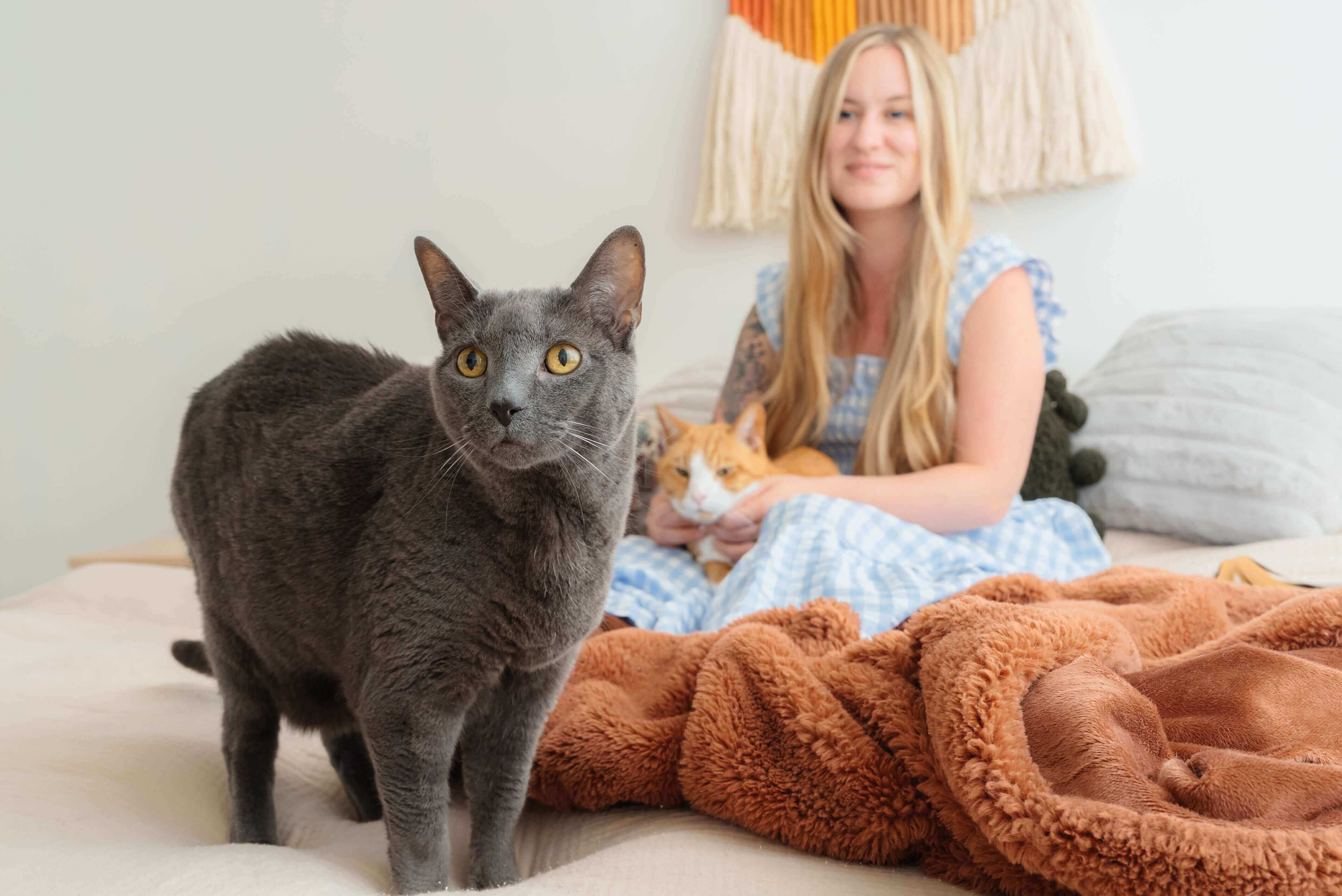
Understanding feline behavior is the cornerstone of a successful multi-cat environment. Cats are inherently territorial creatures, and in the wild, their survival depends on their ability to control specific resources. When we bring multiple cats into a domestic setting, we are essentially asking them to share a territory that may be smaller than they would naturally prefer. This can lead to “resource guarding” or subtle forms of bullying that owners might mistake for simple play. According to 2024 veterinary behaviorist reports, nearly 40% of multi-cat household issues stem from inadequate resource distribution. To mitigate this, you must adopt a philosophy of abundance. Instead of clustering food, water, and resting spots in a single area, distribute these essentials throughout the home. This reduces competition and gives each cat a sense of ownership over specific zones, which significantly lowers the baseline stress level of the entire household.
The N+1 Rule: Why Litter Box Placement is Non-Negotiable
Perhaps the most critical rule in a multi-cat home is the “N+1” litter box guideline. This means you should always have one more litter box than you have cats. For instance, if you have three cats, you need four boxes. This isn’t just a suggestion; it is a behavioral necessity. In a multi-cat dynamic, one cat may “guard” a hallway or a specific room, effectively blocking another cat’s access to the litter box. If there is only one location for waste, a intimidated cat may choose to urinate on a rug or furniture rather than risk a confrontation. The placement of these boxes is just as vital as the quantity. Avoid placing boxes in tight, enclosed spaces where a cat might feel cornered. Instead, choose quiet, low-traffic areas with good visibility, allowing the cat to see any approaching “roommates” well in advance. Experts also recommend placing boxes on different floors or at opposite ends of the house to ensure that no single cat can claim a monopoly over the bathroom facilities.
Solving the Odor Crisis: The Science of High-Performance Litter
In 2024, the pet care industry has seen a massive shift toward natural, high-performance materials as consumers move away from traditional clay. In a multi-cat home, the ammonia buildup from multiple cats can become overwhelming within hours. This is where the choice of litter becomes a game-changer. Natural wood fiber litter, such as ökocat Multi-Cat, works on a molecular level to neutralize odors before they escape into your living space. Wood fibers contain natural enzymes that break down ammonia, rather than just masking it with artificial perfumes. Artificial fragrances can actually be detrimental in multi-cat homes; cats have a sense of smell that is fourteen times stronger than ours, and heavy scents can cause respiratory irritation or lead to litter box avoidance. Data from recent consumer trials indicates that wood-based litters can maintain an odor-free environment for up to 7 days longer than standard clumping clay in high-traffic households. Using a product specifically engineered for multiple cats, like ökocat, ensures that the litter can handle the increased liquid volume while maintaining its structural integrity and clumping ability.
Managing Social Stress and Feline Conflict
Conflict in multi-cat homes isn’t always as obvious as a physical fight. It often manifests as “staring contests,” displacement (one cat pushing another off a bed), or over-grooming. To maintain peace, you must provide plenty of vertical space. Cats feel safer when they are high up, as it allows them to survey their territory without being vulnerable to surprise interactions. Installing cat trees, wall shelves, or even clearing off the top of a bookshelf can double the usable territory in a small apartment. Additionally, incorporating pheromone diffusers can help create a calming atmosphere. These devices mimic the facial pheromones cats use to mark their territory as safe, which can reduce tension during the introduction of a new cat or after a stressful event like a vet visit. Regular interactive play sessions are also essential. Engaging each cat in individual play helps them burn off predatory energy that might otherwise be directed at their housemates.
The Small-Space Survival Strategy
Living in an urban apartment with multiple cats is entirely possible, but it requires strategic organization. When square footage is limited, the emphasis must be on cleanliness and efficiency. High-performance, low-tracking litter is a must to prevent “litter paths” across your floors. Use litter mats under every box and consider top-entry boxes if your cats are physically able to use them, as they significantly reduce the amount of litter kicked onto the floor. Furthermore, implementing a daily cleaning routine—scooping at least twice a day—is the only way to ensure that a small home doesn’t succumb to the “cat smell” that often plagues multi-pet owners. Modern advancements in litter technology mean you no longer have to choose between your cats’ happiness and your home’s aesthetics.
Expert Verdict: The Journalist’s Perspective
After reviewing the latest trends in pet husbandry and testing several eco-friendly solutions, the verdict is clear: the health of a multi-cat home is directly tied to the quality of the litter and the layout of the environment. While clay litters are affordable, the long-term benefits of natural wood fiber—specifically for odor control and respiratory health—far outweigh the initial cost difference. Products like ökocat Multi-Cat provide a sustainable, highly effective solution that addresses the primary pain point of multi-cat owners: ammonia control. When combined with the N+1 rule and vertical territory expansion, these tools create a sustainable living situation that promotes feline longevity and human comfort.
Frequently Asked Questions
- How often should I deep clean the litter boxes? In a multi-cat home, you should scoop twice daily and perform a full scrub-down of the boxes with mild soap and water every two to four weeks, depending on the type of litter used.
- My cats used to get along but now they are fighting. What happened? This is often called “redirected aggression” or a shift in social hierarchy. Check for environmental changes, or consult a vet to rule out medical issues, as pain can make cats irritable.
- Can I use a single large litter box instead of multiple boxes? No. Even a very large box counts as a single resource. Territorial cats need geographic separation to feel secure.
- Is natural wood litter safe for kittens? Yes, wood fiber litters are generally safer than clumping clay for kittens, as they are less likely to cause intestinal blockages if accidentally ingested during grooming.
- How can I stop my cats from tracking litter everywhere? Use a high-performance litter with larger granules and place heavy-duty trapping mats outside the boxes.
Conclusion
Creating a harmonious multi-cat home is an ongoing process of observation and adjustment. By respecting the natural instincts of your felines—providing ample resources, choosing high-quality natural litter, and managing the physical space effectively—you can eliminate the common stressors that lead to behavior problems and odors. A clean, fresh-smelling home isn’t just a luxury; it is the foundation of a happy life for your cats. With the right strategies and the superior odor-fighting power of wood-based litter, you can focus on what truly matters: enjoying the unique bond and endless entertainment that only a multi-cat family can provide.


