The Belgian Malinois is often mistaken for a smaller, more streamlined German Shepherd, but to those who know the breed, they are in a class of their own. Renowned for their incredible work ethic, lightning-fast reflexes, and unwavering loyalty, the Malinois has risen from a humble sheepdog in Belgium to the preferred partner for elite military units and police forces worldwide. This is not a breed for the faint of heart or the casual pet owner. They are often referred to as ‘Maligators’ due to their high drive and tendency to use their mouths to communicate and work. However, for the active owner who understands canine psychology, the Malinois offers a level of companionship and capability that few other breeds can match. In this guide, we will explore the nuances of their temperament, their specific health needs, and why this breed is currently seeing a surge in popularity as we move into 2024.
The History and Heritage of the Belgian Sheepdog
Originating in the late 1800s in the city of Malines, Belgium, the Malinois was one of four varieties of Belgian Shepherd dogs. While they were originally bred for herding livestock, their intelligence and agility quickly caught the eye of protection specialists and law enforcement. Unlike many other breeds that have been diverted into ‘show lines’ that prioritize aesthetics over function, the Malinois has remained a working dog at its core. This lineage means that today’s Malinois still possesses the same high-intensity drive that their ancestors used to manage unruly flocks. Statistics from the American Kennel Club (AKC) show that the breed has climbed steadily in popularity, currently ranking in the top 40 most popular breeds. However, experts warn that this visibility—often fueled by their heroic portrayals in movies and K9 documentaries—can lead to unprepared owners adopting dogs that require far more engagement than a standard suburban lifestyle provides.
Physical Characteristics and Breed Standards
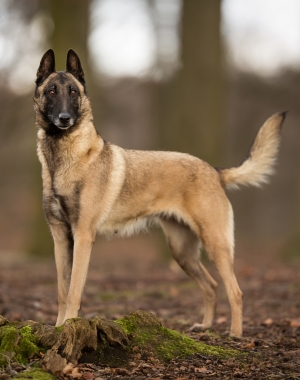
The Belgian Malinois is a medium-to-large dog characterized by an athletic, square-built frame. Males typically stand between 24 to 26 inches at the shoulder, while females range from 22 to 24 inches. Their weight usually falls between 60 and 80 pounds, though they often appear larger due to their commanding presence. Their coat is short, straight, and weather-resistant, designed to handle the varied climates of the Belgian countryside. The most distinct feature is their coloring: a rich fawn to mahogany base with a black mask and ears that stand erect and alert. This short coat is surprisingly easy to maintain, though they are moderate shedders. Because of their intense physical nature, it is essential for owners to provide your dog with mental stimulation alongside physical exercise to ensure their powerful bodies are matched by a focused mind.
Temperament: More Than Just a Working Dog
If there is one word to describe the Malinois temperament, it is intense. These dogs do not have an ‘off’ switch in the traditional sense. They are highly intelligent and possess a strong desire to work in tandem with their human handler. This ‘bidability’ makes them incredible at obedience, but it also means they are constantly looking for a job to do. If they aren’t given one, they will invent their own—often involving the destruction of furniture or the herding of family members. While they are deeply loyal to their ‘pack,’ they can be reserved or even suspicious of strangers. This makes early and continuous socialization a non-negotiable requirement for the breed. Understanding the triggers and prevention for dog aggression is critical, as their protective instincts can escalate if they are not taught how to properly distinguish between a threat and a friend.
The Critical Importance of Training
Training a Belgian Malinois is a lifelong commitment. Because of their high intelligence, they learn new commands within just a few repetitions, but they also learn bad habits just as quickly. Positive reinforcement is the gold standard, but it must be paired with firm, consistent boundaries. These dogs thrive in environments where they can engage in ‘complex’ tasks such as scent work, agility, or protection sports. Because they are so sensitive to their environment and their handler’s emotions, they require a confident leader who can provide clear communication. This is exactly why dog training is so important for this specific breed; without a structured education, a Malinois can become anxious, neurotic, or overly dominant. In recent years, professional trainers have noted an increase in ‘rescue’ Malinois cases where dogs were purchased for their looks but surrendered because the owners could not keep up with their educational needs.
Health and Wellness: Living a Long, Active Life
Generally, the Belgian Malinois is a robust and healthy breed with a life expectancy of 12 to 14 years. However, like all large breeds, they are prone to certain genetic conditions. Responsible breeders screen for hip and elbow dysplasia, which can cause mobility issues as the dog ages. Progressive Retinal Atrophy (PRA), an eye condition that can lead to blindness, is also something to monitor. Another concern for active Malinois is ‘bloat’ or Gastric Dilatation-Volvulus (GDV), a life-threatening condition where the stomach twists. To mitigate health risks, regular veterinary checkups and high-quality nutrition are paramount. Owners should also be aware that because these dogs are so stoic, they may not show pain until an injury is quite advanced, making daily physical checks after exercise a good habit for every owner.
Expert Review: The Verdict on the Malinois
The Belgian Malinois is an extraordinary animal, but it is not a ‘pet’ in the way a Golden Retriever or a Bulldog is. Experts categorize the Malinois as a ‘lifestyle dog.’ You don’t just own a Malinois; you live your life around them. For the ultra-marathoner, the professional trainer, or the dedicated hobbyist in dog sports, there is no better partner. However, for families with very small children or those who work long hours away from home, the Malinois can quickly become a source of stress. They require at least 90 to 120 minutes of vigorous activity every single day. If you can meet those needs, you will be rewarded with a dog that would quite literally go to the ends of the earth for you.
Frequently Asked Questions (FAQ)
- Are Belgian Malinois good with children? While they are loyal, their herding instinct can lead them to ‘nip’ at the heels of running children. They are generally better suited for homes with older children who understand how to interact with a high-energy dog.
- How much do they shed? They have a double coat and shed year-round, with heavier shedding periods twice a year. Weekly brushing is usually sufficient to manage the fur.
- Can they live in an apartment? Only if the owner is exceptionally dedicated to outdoor exercise. Without a yard, you must commit to several hours of outside work daily; otherwise, they may become destructive.
- Is a Malinois the same as a German Shepherd? No. Malinois are smaller, more agile, and generally have a higher energy drive. They also tend to have fewer of the back and hip issues traditionally seen in modern German Shepherd show lines.
- Do they bark a lot? They are very alert and will bark to notify you of any changes in their environment. Training is needed to ensure they don’t become ‘nuisance’ barkers.
Conclusion
The Belgian Malinois is a testament to the incredible bond that can exist between humans and dogs when both are working toward a common goal. They are the ferraris of the canine world—sleek, fast, and high-maintenance, but capable of breathtaking performance. If you have the time, energy, and expertise to dedicate to their growth, the Malinois will be the most intelligent and devoted companion you will ever have. Just remember that their brilliance is a double-edged sword; a bored Malinois is a creative Malinois, and you may not always like what they decide to create. Proper investment in training, health, and socialization today ensures a well-adjusted hero in your home for years to come.


