Meeting a new dog is an exhilarating experience for any animal lover. Whether it is a neighbor’s new rescue, a friend’s playful puppy, or a stranger’s pet at the local park, the instinct to reach out and offer affection is often overwhelming. However, as Dr. Chris Roth, DVM, and many veterinary experts emphasize, not all dogs perceive human enthusiasm the same way. What we see as a friendly gesture, a dog might interpret as a threat or a breach of their personal boundaries. Understanding how to navigate these initial moments is the difference between a wagging tail and a defensive snap. This guide provides a comprehensive framework for safe, respectful, and rewarding canine introductions based on the latest 2024 behavioral research.
The Golden Rule: Consent is Key
The foundation of every successful interaction starts with the owner. Before you even think about approaching an unfamiliar animal, you must ask for permission. This isn’t just about human manners; it’s about safety and situational awareness. The owner knows their dog’s history, triggers, and current mood. Some dogs may be in training, recovering from surgery, or dealing with anxiety that isn’t visible to the naked eye. If the owner gives the green light, do not rush in. Let the dog make the first move. By allowing the dog to approach you, you are giving them the agency to decide if they feel safe enough to interact.
It is important to remember that a dog approaching you is not always an invitation for physical contact. Sometimes, a dog is simply gathering data through scent. If a dog sniffs you and then moves away, respect that choice. Forcing an interaction after a dog has expressed disinterest can lead to stress. In cases where a dog seems unusually reactive, it is vital to understand the triggers and prevention for dog aggression to ensure everyone stays safe.
Reading the Unspoken: Interpreting Canine Body Language
To greet a dog safely, you must become fluent in their silent language. In 2024, canine behaviorists are placing more emphasis on “micro-expressions” in dogs. While a wagging tail is often seen as a sign of happiness, it can actually indicate high arousal or even agitation depending on the height and speed of the wag. A loose, wiggly body, relaxed ears, and an open mouth (the “doggy smile”) are positive indicators that the dog is comfortable.
Conversely, be on the lookout for signs of discomfort. These include “whale eye” (where the whites of the eyes are visible), lip licking, yawning when not tired, and a stiffened posture. If a dog’s tail is tucked or their ears are pinned back, they are likely experiencing fear. In these moments, any attempt to touch the dog could provoke a defensive bite. Education on these signs is a major component of dog bite prevention programs worldwide, as statistical data suggests that over 70% of bite incidents involve a person misreading a dog’s desire for space.
The Mechanics of a Respectful Greeting
When dogs greet one another, they rarely approach head-on; doing so is seen as confrontational in the canine world. To mimic this polite behavior, turn your body slightly sideways. This makes you appear smaller and less threatening. Avoid direct eye contact, which can be interpreted as a challenge or a threat. Instead, look at the dog’s chest or back.
Squatting down to the dog’s level is a great way to appear less imposing, but never bend directly over them. Looming over a dog, even with a smile, can be terrifying for them. Many people make the mistake of reaching over a dog’s head to pet them. For many canines, a hand descending from above is a trigger for fear. Instead, keep your hands at your sides. If the dog remains relaxed and seeks more attention, offer a gentle scratch under the chin or on the side of the neck. These areas are far less sensitive and more welcoming than the top of the head or the tail base.
Special Considerations for Puppies
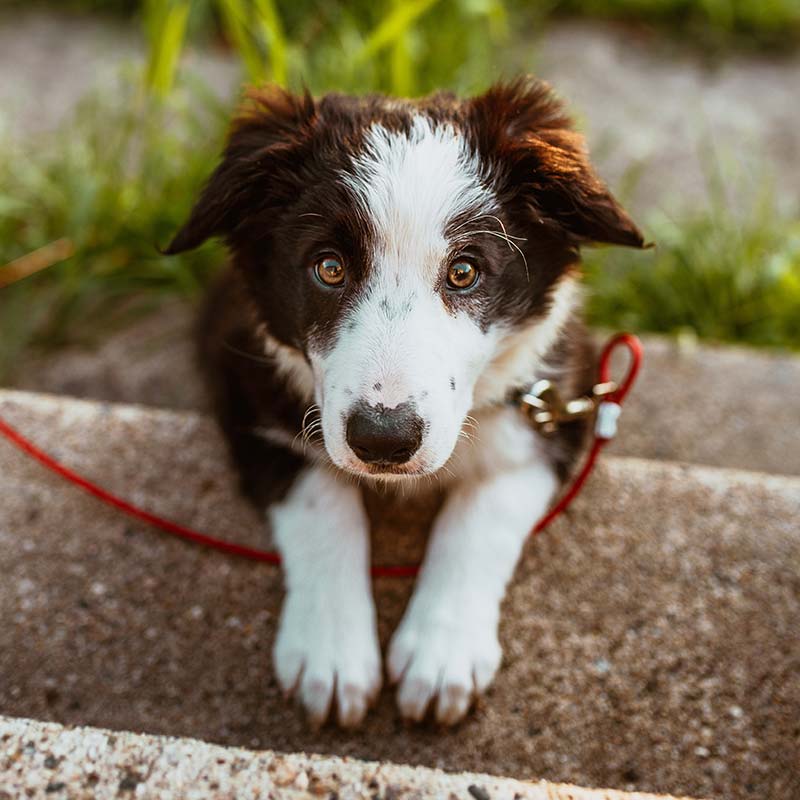
Puppies require an even higher level of restraint. Their high energy levels can make them prone to nipping, jumping, and barking if they become over-aroused. When meeting a puppy, maintain a very calm and quiet demeanor. This helps the young dog learn that strangers are not a source of chaotic excitement. Implementing expert puppy socialization strategies ensures that these early encounters build a foundation for a well-adjusted adult dog.
The Role of Training and Etiquette
Sometimes, despite your best efforts at a calm greeting, a dog may jump on you. While your first instinct might be to pet the dog or tell the owner “it’s okay,” this actually reinforces the behavior. The best response is to quietly turn your back or step away. This teaches the dog that jumping results in the loss of attention. Responsible pet owners are often working on these specific behaviors, and your consistency as a stranger helps reinforce their training. Understanding why dog training is so important helps us realize that every interaction we have with a pet is a teaching moment.
Using treats can be a powerful tool to build a bond, but always ask the owner first. Some dogs have severe allergies or dietary restrictions. If given permission, place the treat on the ground rather than feeding it directly from your hand to avoid accidental nips from an excited dog. This “treat-retreat” method is highly effective for shy dogs, as it allows them to get a reward without feeling forced into close proximity.
Expert Review: The Verdict on First Encounters
According to modern animal behavior experts, the “three-second rule” is a gold standard for first-time meetings. Pet the dog for three seconds, then stop and pull your hand back. If the dog nudges you or leans in for more, they have given “consent” for further interaction. If they look away or move off, the session is over. This method respects the animal’s autonomy and significantly reduces the risk of stress-related incidents. Experts agree that the most successful dog-human relationships are built on a foundation of mutual respect and clear boundaries.
Frequently Asked Questions (FAQ)
- Is it always okay to let a dog sniff my hand first? Not necessarily. While some dogs find it helpful, others find a hand reaching toward their face threatening. It is usually better to keep your hands at your side and let them sniff your legs or clothing first.
- What should I do if a dog growls during a greeting? Do not scold the dog. A growl is a communication that the dog is uncomfortable. Slowly back away and give the dog space. Never force the interaction.
- How should I teach my child to greet a dog? Children should be taught to “be a tree” (stand still, hands in, eyes down) if an unfamiliar dog approaches them and to always ask an adult before petting any animal.
- Why do some dogs bark at me even if I’m being nice? Barking can be a sign of fear, territoriality, or excitement. It is best to ignore the dog and wait for them to calm down before attempting any interaction.
- Does pet insurance cover incidents during greetings? Most pet insurance plans, like those from Pets Best, focus on illness and accidents. However, having a plan provides peace of mind for the owner in case an unexpected injury occurs during play or socialization.
Conclusion
Mastering the art of meeting a dog for the first time is a vital skill for any pet enthusiast. By prioritizing consent, observing body language, and maintaining a calm demeanor, you ensure that every encounter is a positive one. Remember that every dog is an individual with their own set of preferences and fears. By treating them with the respect they deserve, you not only keep yourself safe but also contribute to the well-being and confidence of the dogs you meet. Happy and safe greeting!


