The holiday season is a whirlwind of twinkling lights, the scent of pine needles, and the joyful anticipation of reunited families. For those of us who share our lives with animals, the festivities aren’t quite complete without our four-legged (or winged, or scaled) companions by our side. However, as any seasoned pet enthusiast knows, the transition from a quiet living room to the chaotic environment of a holiday getaway can be jarring for a pet. Whether you are driving across state lines or navigating the complexities of an airport terminal, the logistics of traveling with pets requires more than just a sturdy leash and a handful of kibble. It demands a deep understanding of your pet’s psyche and a commitment to their comfort and safety above all else.
I have spent years navigating the unique challenges of transporting everything from nervous rescues to sensitive exotic species, and if there is one thing I have learned, it is that preparation is the antidote to travel-induced anxiety. The goal isn’t just to reach your destination; it is to ensure that your pet arrives feeling secure, healthy, and ready to enjoy the holiday cheer. By looking at travel through their eyes—considering the strange vibrations of a car, the unfamiliar scents of a hotel, and the pressure changes of a flight—we can create a travel plan that minimizes stress for everyone involved.
Understanding Your Pet’s Travel Personality
Before you even begin packing a suitcase, you must perform an honest assessment of your pet’s temperament. Not every animal is a born traveler. Some dogs are what I like to call ‘road warriors’—they see a car door open and immediately leap in, tails wagging in anticipation of a new adventure. Others are more like ‘cautious observers,’ needing time and reassurance to adjust to any shift in their environment. Then, of course, we have the ‘homebodies,’ often represented by our feline friends or specific exotic pets, who view being uprooted as a personal affront.
According to experts like Dr. Christine Rutter from the Texas A&M College of Veterinary Medicine & Biomedical Sciences, maintaining a sense of routine is vital. Pets thrive on predictability. When we travel, we strip away their familiar territory, their usual potty spots, and their neighborhood smells. To combat this, you need to bring the ‘familiar’ with you. If your pet has never spent a night away from home, expecting them to thrive in a busy holiday household without preparation is a recipe for disaster. This is where signs your dog is experiencing anxiety and how to help becomes essential reading, as identifying the subtle cues of stress—such as excessive panting, pacing, or vocalization—can help you intervene before a full-blown panic attack occurs.
Mastering the Long-Distance Road Trip
For many, the car is the preferred method of holiday travel. It offers more control over the environment, allowing for frequent breaks and climate regulation. However, a long drive can be physically and mentally draining for a pet. Safety should be your first priority. Unrestrained pets in a vehicle are not only a distraction to the driver but also at high risk of injury during sudden stops or accidents. Invest in a high-quality, crash-tested crate or a specialized seatbelt harness.
Acclimation is the secret to a peaceful car ride. If your pet only goes in the car for vet visits, they will likely associate the vehicle with needles and cold exam tables. Spend the weeks leading up to your trip taking ‘fun’ drives—to the park, to a pet-friendly store, or even just around the block—followed by plenty of praise and treats. During the actual trip, remember that pets, much like humans, need to stretch their legs and hydrate. Active dogs may need a vigorous walk every three hours, while older or more sedentary pets might just need a quick sniff and a bathroom break. Always keep your pet on a leash during these stops; a spooked pet in an unfamiliar rest area can bolt in a heartbeat, leading to a holiday tragedy.
To keep the journey engaging, I always recommend a ‘distraction strategy.’ Treat-dispensing toys or long-lasting chews can keep a dog occupied during those long stretches of highway. For cats or small mammals, covering their carrier with a light breathable cloth can help reduce visual overstimulation, making them feel like they are in a safe, dark den.
The Essential Pet ‘Go Bag’ Checklist
Packing for a pet is almost as involved as packing for a human. You cannot rely on finding your pet’s specific brand of food or medication at your destination, especially during the holiday rush. Your ‘Go Bag’ should be a centralized hub for all things pet-related. Here is what I never leave home without:
- Familiar Food and Water: Abrupt diet changes can cause gastrointestinal upset—the last thing you want to deal with in a hotel or a relative’s house. Bring enough food for the entire trip plus a two-day surplus. If your pet has a sensitive stomach, consider bringing water from home in jugs to prevent issues caused by different mineral contents in local water supplies.
- Comfort Items: A favorite blanket that smells like home, a well-worn toy, or even one of your old t-shirts can provide immense emotional security.
- Health Records and Identification: Ensure your pet’s microchip information is up to date and bring a paper copy of their vaccination records. This is often required by pet-friendly hotels and boarding facilities.
- First Aid Kit: Include gauze, pet-safe antiseptic, tweezers (for ticks or splinters), and any prescription medications.
- Waste Management: Poop bags, a portable litter box for cats, and cleaning supplies for accidental messes.
By staying organized, you can enjoy your vacation and keep your pet safe with these simple tips, knowing that you are prepared for almost any minor hiccup the road throws at you.
Navigating the Clouds: Air Travel Logistics
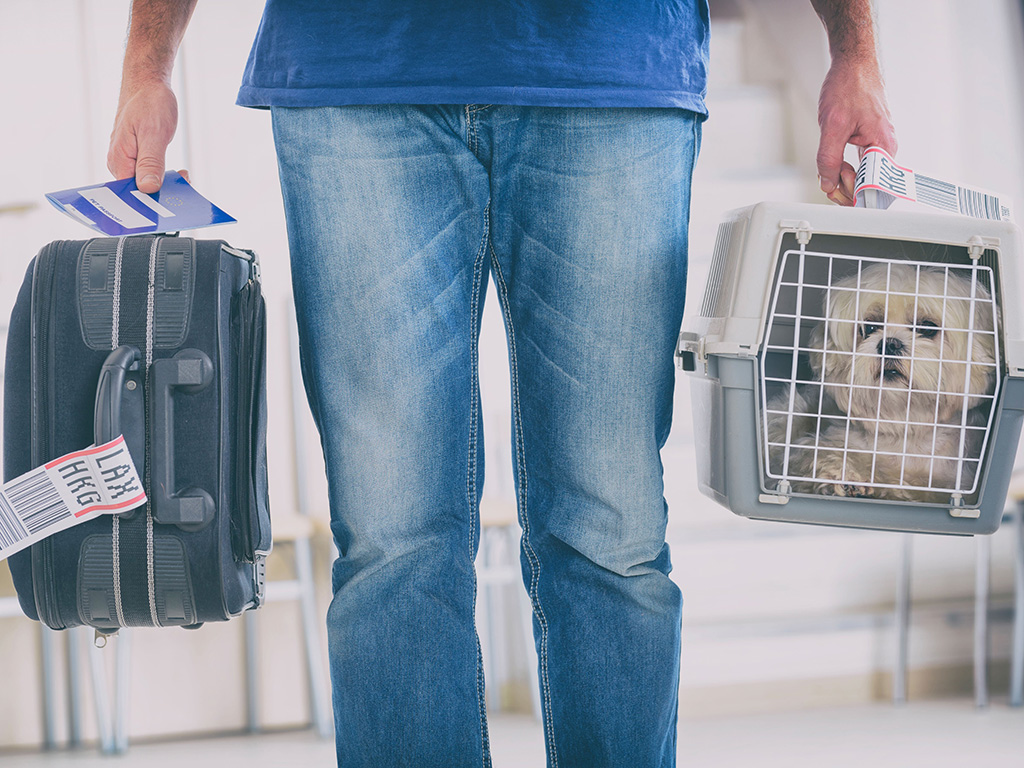
Flying with a pet is an entirely different beast. It requires months of planning and strict adherence to airline policies. Every airline has different rules regarding crate dimensions, health certificates, and whether a pet can fly in the cabin or must go in the cargo hold. Generally, if your pet is small enough to fit in a carrier under the seat in front of you, that is the safest and least stressful option. However, space is limited, and most airlines only allow a few pets per flight, so book your pet’s ‘ticket’ as early as possible.
For those with larger breeds or specific needs, it is important to understand what ESA certification means for traveling with pets, as regulations for emotional support animals have changed significantly in recent years. Many airlines now distinguish strictly between service animals and emotional support animals, which may impact your ability to keep your pet in the cabin.
One of the most critical warnings from veterinarians involves brachycephalic (flat-faced) breeds like Bulldogs, Pugs, and Persian cats. These animals are highly susceptible to respiratory distress under stress and in the pressurized environment of an airplane. Many airlines have banned these breeds from flying in the cargo hold due to the high risk of heatstroke and oxygen deprivation. If you own a flat-faced breed, driving is almost always the safer alternative.
Emergency Planning and Veterinary Consults
Before you depart, schedule a ‘pre-flight’ (or pre-drive) checkup with your veterinarian. This is the time to discuss whether your pet is healthy enough for the rigors of travel and to address any concerns regarding motion sickness or extreme anxiety. In some cases, your vet may prescribe a mild sedative or anti-anxiety medication. Pro tip: Always do a trial run of any new medication at home at least a week before the trip. You don’t want to find out your pet has a paradoxical reaction (becoming hyper rather than calm) while you are at 30,000 feet or in the middle of a ten-hour drive.
Furthermore, research is your best friend. Map out the emergency veterinary clinics along your route and at your final destination. Knowing exactly where to go at 2 AM on Christmas Eve if your dog eats something they shouldn’t or suffers a minor injury can save precious time and reduce panic.
People Also Ask: Common Pet Travel Questions
Can I give my pet human Benadryl for travel?
While diphenhydramine is sometimes used in pets, you should never administer any medication without a specific dosage and approval from your veterinarian. Factors like weight, breed, and underlying health conditions make it dangerous to guess.
How often should I stop for my cat on a road trip?
Cats are unique. Some prefer to stay in their carrier for the duration of the drive, while others may benefit from a quick break in a parked car to use a portable litter box. Generally, offer water and a chance to use the litter box every 4-6 hours, but never let them out of the car or their carrier in an unsecured area.
What should I do if my pet won’t eat while traveling?
It is common for pets to skip a meal due to stress. As long as they are drinking water and not showing signs of illness (lethargy, vomiting), a missed meal isn’t an emergency. Try adding a little ‘high-value’ topper like plain boiled chicken or a bit of wet food to entice them.
Final Thoughts from a Pet Enthusiast
Traveling with pets is rarely ‘easy,’ but it is incredibly rewarding. There is something profoundly special about watching your dog experience the first snow of the season at a grandparent’s house or having your cat curled up in a sunbeam in a new living room. The key to a successful holiday getaway is empathy. If you approach every decision by asking, ‘Does this make my pet feel safe?’, you will naturally make the right choices.
Remember that the holidays are overwhelming for everyone, but your pet doesn’t understand the schedule or the guest list—they only understand that they are with you. By taking the time to acclimate them, pack their ‘comfort kit,’ and plan for emergencies, you aren’t just traveling with a pet; you are embarking on a journey that strengthens the bond between you. Happy travels, and may your holiday season be filled with wagging tails and happy purrs!


1 comment